
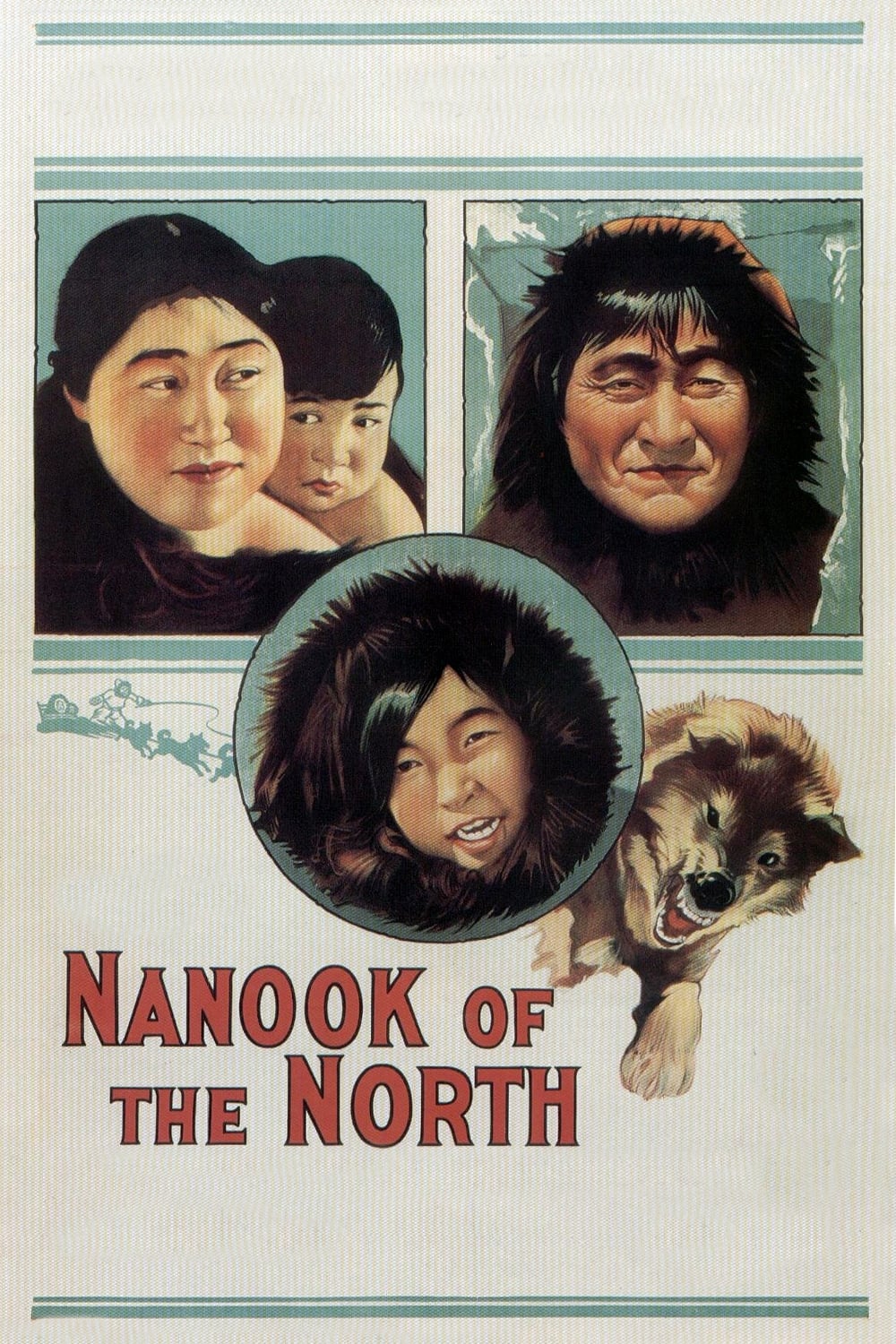
Chilled to the Bone: My Immersion Into the Heartbeat of “Nanook of the North”
There are moments in cinema when I feel the cold seep into my bones, as if I’m standing right there on the wind-battered tundra. Watching “Nanook of the North” for the first time, I lost myself in that vast, unyielding whiteness—so real and so intimate that I could almost hear the snow crunch beneath my own feet. For all its primitive techniques and silent-era limitations, there is an immediacy to this film that lingers with me, a haunting sense of humanity staring down eternity. Every frame seems to whisper that survival itself can be art.
Through the Lens of Survival: What Is Endurance?
I am consistently struck by the way Robert J. Flaherty’s camera refuses to look away from hardship. “Nanook of the North” doesn’t romanticize the Arctic—it thrusts us headlong into it. Yet I can’t help but notice the dignity with which Nanook and his family approach every task. This film’s heart beats in the tension between harsh necessity and quiet pride: hunting, building, eating, resting—each is ritual, performed with reverence and belonging. Watching Nanook carve a home out of ice, I’m reminded of just how fragile, and yet resilient, life can be. The landscape tries to erase the people within it, and yet, with every gesture, they assert that to exist is itself a triumph.
Staged Realities: The Ethics of Representation
As I reflect deeper, I find myself tangled in the moral puzzles Flaherty lays bare—intentionally or not. The film is celebrated for its authenticity, but I can’t ignore the moments of constructedness. Flaherty famously asked his real-life subjects to “perform” traditional ways that were, by the 1920s, already receding. There’s a painful irony here: in seeking to capture a way of life, the camera can only show us what it chooses, and sometimes what it invents. This duality makes “Nanook of the North” as much about the making of myth as about the endurance of reality.
I can’t shake the sense that what I’m watching is both earnest documentation and careful fiction. The laughter, the struggles, even the iconic image of Nanook biting a record—these are not just windows into another world, but mirrors reflecting how outsiders desperately wanted to see it. The film warns me: every attempt to “preserve” culture risks distorting it in the process.
The Ice and the Intimate: Humanism Amid Desolation
I return again and again to the moments of familial tenderness—the touch between Nanook and his children, the communal warmth inside the igloo—as the film’s emotional core. “Nanook of the North” isn’t simply about survival against the elements; it’s about the joy and humor that persist even in the most unforgiving conditions. These glimpses into the inner life of the family linger with me longer than any hunting scene. The world outside may be lethal, but inside the shelter there is laughter and intimacy. This, for me, is the film’s hidden wellspring of hope. The point isn’t just that people endure; it’s that they find ways to love, to play, and to make meaning, even as the cold encroaches from every side.
A World Shaped by Necessity: Ritual and Invention
I am particularly drawn to the ways the film lingers over process: the slow, deliberate art of building an igloo, the deep patience of ice fishing, the choreography of the hunt. There is poetry in repetition—these daily crises and routines transform necessity into ceremony. I see, in these acts, not just labor but art—a living, breathing culture responding to its environment with ingenuity. The tools are simple, but the knowledge behind them is ancient and profound. When Nanook fashions a window for his igloo out of ice, I’m confronted with a sense of wonder at the sheer inventiveness required to thrive here. These rituals remind me that survival is never passive but always creative, a series of choices and traditions passed down like lifelines across generations.
The Arctic as Character: Landscape and Alienation
The Arctic itself dominates my memory of the film—white, featureless, almost annihilating in its scope. Flaherty films the North not merely as backdrop but as antagonist, muse, and judge. The endless snowfields dwarf the figures who traverse them, suggesting an almost cosmic indifference to human ambition. Yet, for all of nature’s hostility, I detect a strange kind of kinship between the people and the land. There is a mutual shaping at work: the people make the land habitable, and the land tempers the people into what they must become. In these frozen expanses, I sense the underlying philosophical question: what does it mean to belong, truly, to a place that can kill you at any moment?
Legacy and Complicity: What Am I Really Watching?
No matter how many times I revisit “Nanook of the North”, I’m uneasily aware that this film was made for outsiders like me—a southern audience fascinated by difference, eager for “authenticity.” By watching and admiring Nanook, I participate in the very act of looking that the film both requires and critiques. I am complicit in the romanticization, the simplification, even as I yearn to see the real people behind the images. This complicity forces me to question the function of ethnographic cinema itself: is it possible to observe without distorting, to honor without appropriating? “Nanook” confronts me with the limits of my own understanding, and challenges me to see the gap between my gaze and their reality.
Why These Glimpses Still Matter
The final scenes of “Nanook of the North” leave me with a complex ache. No matter how staged, the faces are real, the laughter is real, the struggle is real. I come away less convinced of the film’s truth in any factual sense, and more convinced of its emotional truth. What endures is not just the spectacle of survival, but the persistence of identity, wonder, and connection in a world determined to erase them. The boundaries between documentary and fiction may blur, but the film’s invitation to empathy—to imagine another’s world with openness and humility—remains urgent. For me, “Nanook of the North” is less a record of an ancient way of life and more a testament to the courage of living fully, with dignity, in the face of oblivion.
A Personal Double Feature: Where the Spirit Resonates
If this film’s blend of hardship, resilience, and ethical ambiguity strikes a chord with you, I would urge you to seek out these classics as well:
- Grass: A Nation’s Battle for Life – for its raw chronicle of survival and migration under impossible odds.
- Tabu: A Story of the South Seas – for its poetic exploration of cultural loss and the pull between tradition and change.
If you’re curious about how this film was originally perceived or how it compares to similar works of its era, these resources may be helpful.
🎬 Check out today's best-selling movies on Amazon!
View Deals on Amazon