
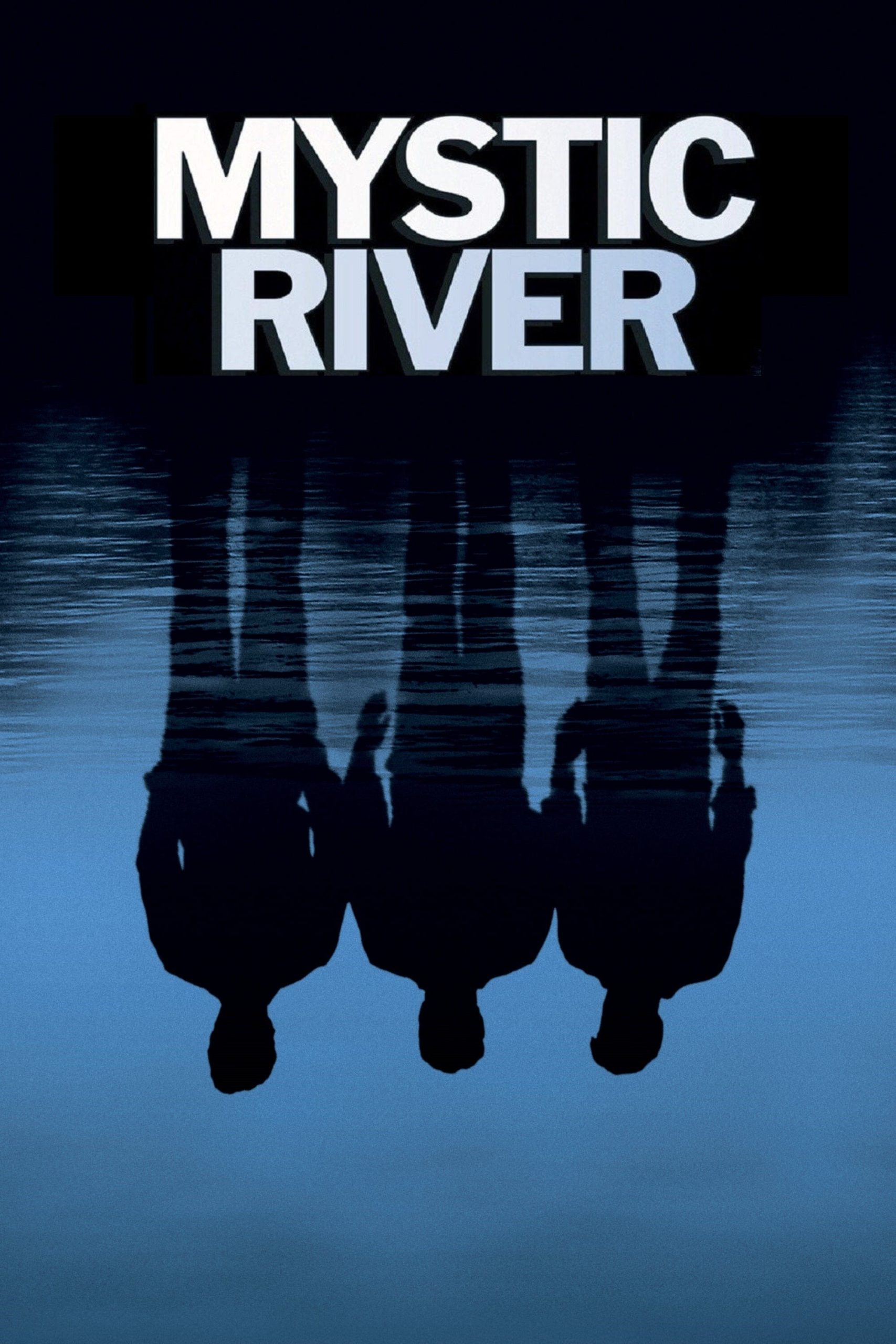
The first time I watched “Mystic River,” I was left with a heaviness that refuses to dissolve, no matter how many times I revisit its shadowy corners. The way Clint Eastwood turns a story of loss, guilt, and male identity into something mythic and brutal has always fascinated me. This film lingers for days after viewing, not for its answers but for the questions it carves into the conscience. I remember stepping outside after my first viewing—Boston’s fictional working-class streets still clinging to me like damp air—unable to shake the sense that the boundaries between guilt and innocence, justice and revenge, weren’t just blurred, but utterly abolished.
The Heart of “Mystic River”: Complicated Bonds and Irrevocable Wounds
To me, the emotional core of “Mystic River” is the way it traces childhood scars etched deep into adulthood—seeing how one moment can crack open lives forever. At its center, the film examines three boys fractured by trauma and fate, their friendship forever burdened by the demon of a single afternoon. Jimmy, Sean, and Dave become adults weighed down by the crosscurrents of memory and unresolved pain, their interactions mapped by suspicion, regret, and sometimes, briefly, hope.
What strikes me isn’t just the film’s meditation on crime and retribution; it’s the way despair and vengeance become hereditary. Eastwood refuses to turn away from the ugly cipher of masculinity—the need to be strong, to take action, to protect or punish in the face of incomprehensible violence. There are no real catharses here; only the slow seep of tragedy, multiplying through generations.
In my eyes, the movie is about the ways we misread each other’s wounds, how the past envelops us—all refracted through the lens of a murder investigation that is less about solving a crime than about exposing the rot at the core of broken lives. This film wants us to feel the futility of seeking justice where none is truly possible.
Looking Deeper: Themes That Haunt the Edge of the Screen
The themes that resonate most with me in “Mystic River” are those of trauma, the cyclical nature of violence, and the imprisonment of identity. Trauma, here, is not just experienced but transmitted—Dave’s childhood abduction is never shaken off; it ripples outward, touching his son, his wife, and even the families of his childhood friends. For me, the tragedy lies not just in what happens to Dave, but in how everyone around him becomes both his judge and his jailer, unable to perceive the pain beneath his secretive facade.
The film also skewers the idea of justice in working-class America. In 2003, when justice was at the forefront of America’s collective psyche, this film dared to suggest that retribution is sometimes just another form of blindness. Watching Jimmy pursue vengeance blurs the lines between victim and perpetrator—raising questions that are even more urgent in today’s climate of quick judgments and social outrage.
Most of all, “Mystic River” is about how people are trapped by the roles assigned to them—by their neighborhoods, histories, and fates. Identity is a cage; no one in this film ever walks free, least of all the innocents they think they’re saving.
Echoes and Shadows: The Visual Language of “Mystic River”
Water holds special significance throughout the film, both as motif and as metaphor. The Mystic River itself is not just a setting, but a stand-in for memory—deep, dark, impenetrable. The river becomes the keeper of secrets, absorbing pain and returning it in twisted forms. Shots of the riverbed or the city’s rainy, drab palette reinforce the omnipresence of grief and unspoken history.
Another motif I’ve always found disturbing is the image of bordered spaces: sidewalk chalk, barred windows, police tape. These are visual signifiers of boundaries breached or transgressed—literal and figurative lines crossed, childhood’s protections obliterated. Each shot is carefully composed to remind us that the characters are always on the edge—between past and present, guilt and absolution.
Even the recurring symbol of missing or twisted speech—whether it’s Dave’s pained evasions or Jimmy’s bursts of rage—serves to highlight how the truth is just out of reach, inevitably garbled by trauma.
Crucibles of Meaning: Three Defining Moments
The Shattering in the Street
It’s impossible to forget the primal scream of Sean Penn’s Jimmy when he learns of his daughter’s murder. This is the emotional axis of the film. The camera holds on his agony as police restrain him, refusing to offer comfort—just as the narrative refuses simple resolution. In this moment, all the bravado of Jimmy’s past crumbles, and I am confronted by the raw, unbearable limitations of language and law. This scene never fails to gut me, crystallizing how violence leaves everyone powerless.
Dave’s Long Night
The scene in which Dave returns home, his hands bloodied, is one of the film’s most quietly terrifying. This is not just about guilt, but about the confusion between being a victim and being a suspect, between being destroyed and being dangerous. I always find myself drawn to his haunted, contradictory performance—Tim Robbins embodying a man forever trapped in childhood horror, unable to account even to himself for what he’s become.
Final Parade of Lies
In the closing moments, as a neighborhood parade weaves by, there’s a chilling tableau: families gathered, truths submerged, order restored in emptiness. Sean’s silent gesture to Jimmy—a finger-gun—says more than words: a shared secret, a recognition that justice is a specter. This scene is crucial for me because it reveals not the triumph of truth, but the community’s willingness to look away from its own complicity.
Interpretations in Dialogue: What Critics Miss, and What I See
Most critical readings highlight “Mystic River” as a Greek tragedy transplanted to modern Boston: fate, hubris, and the cruelty of circumstance on a blue-collar stage. I see that too, but what’s often missed is the film’s critique of the very idea of fate. To me, the real horror lies in the characters’ belief that the past predestines them to violence. Critics tend to celebrate the film’s ambiguity and mournful tone, but I feel more troubled by its pessimism—the suggestion that cycles of retribution are inevitable.
Some reviewers focus on the procedural elements or twists, but I find those incidental. The murder mystery is only a scaffold for examining how a community consumes its own pain and projects blame outward. Where critics sometimes find Eastwood’s approach cold or schematic, I read it as intentionally distancing—forcing us to feel not empathy, but complicity.
Echoes in Celluloid: Films That Share “Mystic River’s” DNA
- “The Sweet Hereafter” (1997): Like “Mystic River,” this film explores grief as a communal wound and the impossibility of closure, using a tragedy’s aftermath to unravel the lies communities tell themselves.
- “Gone Baby Gone” (2007): Another Boston-set tale, it delves into moral ambiguity, the failures of justice, and working-class pain, echoing Eastwood’s refusal to provide easy answers.
- “A History of Violence” (2005): Here, violence and hidden identity contaminate family and community, pressing on the same questions of whether people can escape what’s been done to them.
- “In the Bedroom” (2001): This domestic tragedy interrogates revenge, concealed trauma, and the repercussions of acting on wounded pride—showing the same willingness to linger in painful silence.
Stepping Into the Shadows: Final Thoughts
I believe “Mystic River” endures because it’s unafraid to leave us stranded with uncomfortable questions. Modern viewers might find its pacing slow, its answers unsatisfying—but that’s exactly where its value lies. Engaging with this film means wrestling with the notion that closure is often an illusion and that justice, in certain communities, is as tidal and uncontainable as the river itself.
For those willing to peer into the murk, understanding the film’s themes uncovers layers of social commentary—on masculinity, memory, and the false promise of neat endings. It’s a film that grows with you, each revisit deepening its wounds and widening its truths.
Related Reviews
If you found value in my perspective, you might also enjoy exploring my thoughts on other cinematic landmarks such as “Gone Baby Gone” and “The Sweet Hereafter”.
To broaden this interpretation, you may also explore how critics and audiences responded over time.
🎬 Check out today's best-selling movies on Amazon!
View Deals on Amazon