
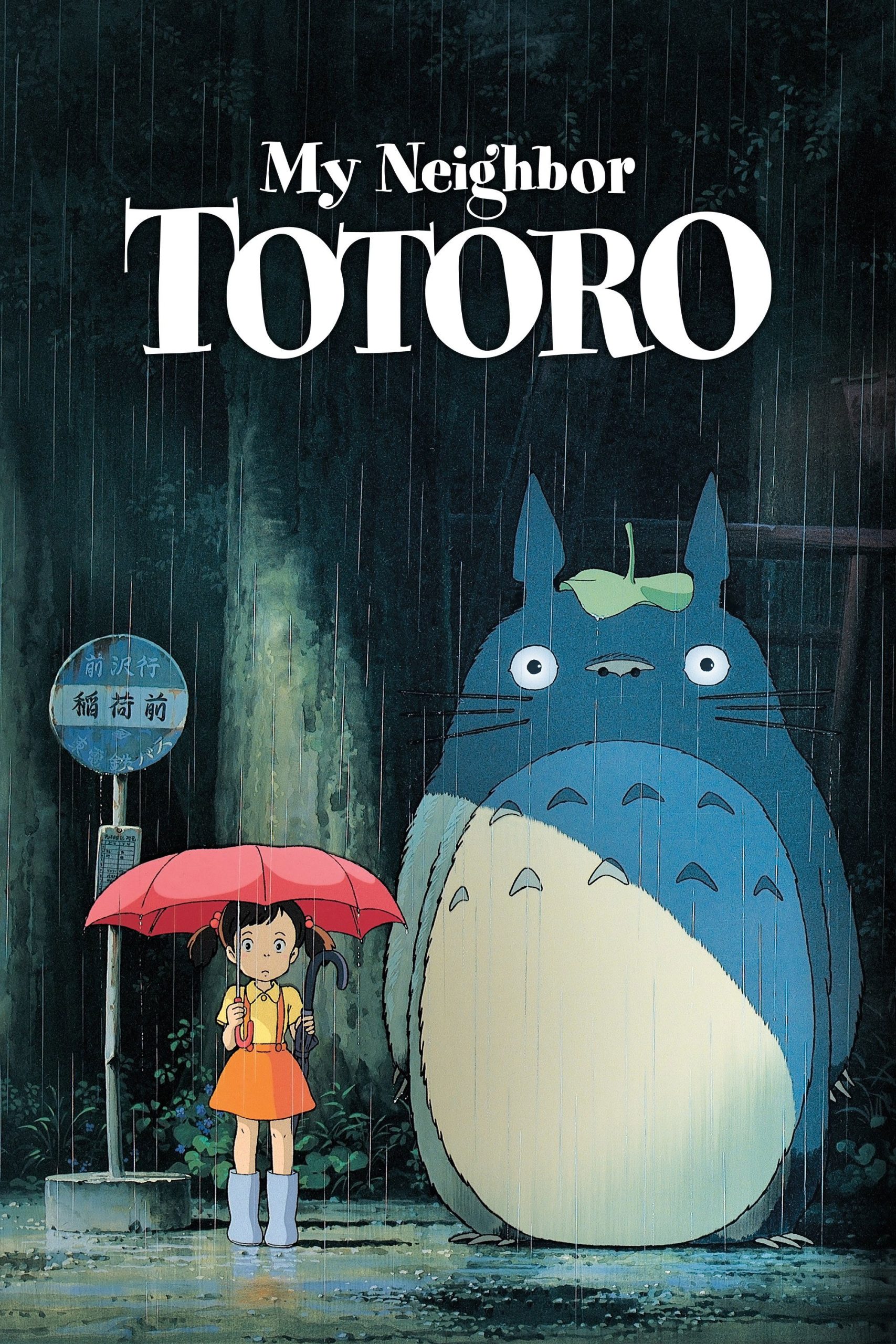
Rainfall and Reverie: Where Wonder Softens Reality
I still remember the gentle patter of rain on my window the first time I watched My Neighbor Totoro. The quiet simplicity of those opening scenes gripped me by the heart, and as the story unfolded, I realized that I was watching something far deeper than a children’s movie. This film inhabits a dreamlike space between joy and pain, inviting me not to escape reality but to see it with new eyes—softer, more curious, and undeniably hopeful.
The Disarming Innocence of Childhood Perspective
What fascinates me most is the film’s unwavering devotion to the world as seen through the eyes of Satsuki and Mei. Their fears, hopes, and bursts of wonder are never trivialized. Every moment is filtered through a lens of discovery—muddy footprints, mysterious acorns, the slow unfurling of a giant camphor tree—reminding me that the ordinary can be transformed through the eyes of a child. Yet, innocence here isn’t naïveté. It’s a strength, a way of facing uncertainty with open arms. When Mei gets lost or Satsuki breaks down in tears, the pain is raw but never overwhelming, as if their innocence itself becomes a shield.This commitment to authentic emotional experience is the film’s quiet rebellion against cynicism.
The Camphor Tree: Shelter, Memory, and the Quiet Power of Nature
Trees have always been silent witnesses to our lives, but in My Neighbor Totoro, the ancient camphor becomes a living, breathing soul. This tree isn’t just a backdrop; it’s a sacred anchor, a symbol of rootedness at a time when the girls’ lives feel uprooted. I see it as a repository of memory—ancient, knowing, and protective. The way the camera lingers on swaying branches or the patterns of sunlight through leaves speaks to what cannot be put into words. There’s solace in the silent patience of that tree, a reminder that nature can absorb our grief and return it to us softened, transformed. Totoro’s lair under those roots is not a hiding place but a sanctuary where pain and wonder intermingle.
Totoro Himself: More Than an Imaginary Friend
I admit, Totoro unsettled me at first. His unreadable face, his immense size—he isn’t the kind of mascot you’d expect in such a gentle film. The more I watched, though, the more I understood: Totoro isn’t a wish-fulfillment fantasy; he’s a manifestation of the unknown, both comforting and mysterious. He appears only when most needed, never as a deus ex machina but as a gentle nudge toward acceptance. I see him as the embodiment of emotional resilience, a bridge between the tangible and the spiritual. When Satsuki and Mei call upon Totoro, they’re not escaping their troubles—they’re gathering the courage to return to them.
The Unspoken Shadows: Illness, Absence, and the Edge of Fear
For all its warmth, My Neighbor Totoro pulses with an undercurrent of fear. The girls’ mother is absent, her illness hanging over the family like a cloud. What I find remarkable is how the film handles this with such grace—never explaining, never melodramatic, yet allowing the sense of uncertainty to saturate every interaction. Mei’s frantic journey, Satsuki’s mounting anxiety, the father’s attempts at steadiness—all echo the fragility of life. Rather than confronting these fears head-on, the film invites me to sit quietly with them. This subtle acknowledgment of loss and worry is a rare feat: it honors children’s anxieties without shattering their sense of safety.
The Beauty in Stillness and Silence
Most films about childhood rely on frenetic energy, but here, it’s the stillness that speaks volumes. I’ve never forgotten that iconic bus stop scene—Satsuki and Mei, standing in the rain, time almost suspended. There is no rush, no score dictating my emotions, just the sound of droplets and the slow appearance of Totoro at their side. In those silent moments, I sense the enormity of what can’t be spoken. The film trusts me to fill the silence with my own memories of waiting, longing, or simply being present. It’s in these quiet stretches that Studio Ghibli’s artistry feels most radical—prioritizing mood over plot, and allowing me to experience the world as an ongoing miracle.
Folklore, Imagination, and the Liminal Spaces Between Worlds
As a lover of myths, I’m drawn to how My Neighbor Totoro nestles itself in the in-between spaces—between childhood and adulthood, reality and fantasy, life and death. Totoro isn’t explained, nor are the Soot Sprites or Catbus, and that ambiguity feels deliberate. The film honors the rich tradition of Japanese folklore while refusing to pin down its magic. To me, the supernatural elements aren’t escapism but a language for what can’t be neatly categorized—loss that morphs into hope, fear that evolves into courage. It’s in these blurred boundaries that the film finds its emotional truth, encouraging me to live not in certainty but in wonder.
Family, Fragility, and the Bonds That Sustain
I’ve watched the Kusakabe family navigate everyday uncertainties with a tenderness that never feels forced. Their rituals—laundry, meals, shared laughter—are rendered with reverence, underscoring how the ties that bind us are both ordinary and profound. Even as the girls drift toward Totoro’s world, their deepest comfort is found in each other. This insistence on family as both anchor and lifeline makes the film’s quieter moments shimmer with significance. It’s not a grand statement about overcoming adversity, but a gentle meditation on how love persists, even in the midst of fear and absence.
A World Where Healing Happens Gently
As the film draws to a close, healing arrives not as a miracle cure, but as a slow rekindling of hope. Mei is found, the mother’s condition improves, and the girls’ laughter resumes—but what’s most moving is how their journey has changed the texture of their world. The woods still swarm with unseen spirits, but now they pulse with possibility. By allowing sorrow and joy to coexist, the film suggests that healing isn’t about erasing pain but about making room for it alongside wonder. There’s a humility in this message—no big revelations, just a deepening of trust in the world’s rhythms.
When I’m Lost, I Remember Totoro: Two Kindred Spirits in Cinema
The luminous tenderness and gentle wisdom of My Neighbor Totoro linger long after the credits roll. For anyone who, like me, finds meaning in quiet magic and the everyday courage of children, there are two other classics I always reach for:
- Ponette (1996) – Jacques Doillon’s heart-rending portrait of a young girl navigating loss, where the child’s perspective transforms ordinary spaces into realms of imagination and solace.
- The Spirit of the Beehive (1973) – Víctor Erice’s meditative film about innocence, fantasy, and the search for meaning in a world shadowed by unspoken grief.
If you’re curious about how this film was originally perceived or how it compares to similar works of its era, these resources may be helpful.
🎬 Check out today's best-selling movies on Amazon!
View Deals on Amazon