
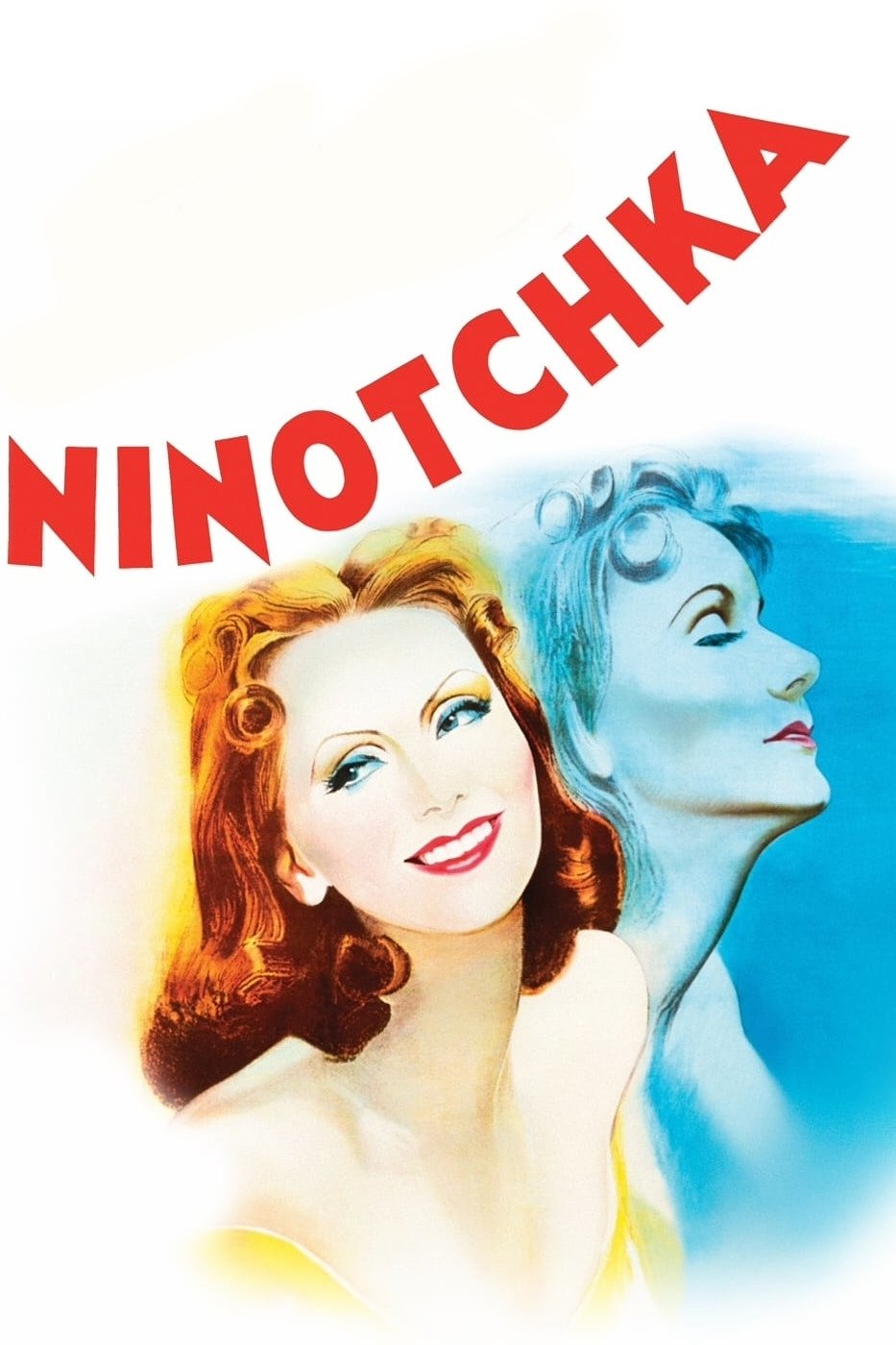
When I first encountered “Ninotchka,” it wasn’t as a film student or a critic, but as someone sorting through a battered box of VHS tapes belonging to a late grandparent. The handwritten label was fading. All I knew was that it starred Greta Garbo—her name uttered in my house with a mixture of reverence and nostalgia. I watched half-expecting a severe drama, only to discover a sly, effervescent comedy threading political critique with romance. From that night, I was transfixed not just by its surface wit, but by how it daringly twisted ideologies and hearts, especially in a world teetering toward war. I’ve returned to it many times, and each rewatch peels back a new layer of both cinematic craft and social skepticism.
What the Film Is About
At its core, “Ninotchka” is a collision between competing ways of life. Greta Garbo’s Ninotchka is sent from the Soviet Union to Paris to oversee the sale of confiscated jewels. She represents an unwavering devotion to pragmatism and state ideology. By contrast, Paris in Lubitsch’s hands feels luxuriously undisciplined—a world of hats, laughter, and unexpected kisses. The tension that animates this story is less about East versus West than it is about belief systems colliding inside a single individual.
What fascinates me is how the story slowly transforms from social satire to emotional unveiling. Ninotchka is more than a spokesperson for Soviet idealism; she’s a human being who must reconcile her devotion to duty with her growing delight in love and pleasure. Watching Garbo’s stone façade erode, frame by frame, is still one of the most remarkable emotional arcs in classic cinema. The film knowingly plays with ideology, but it’s the vulnerability beneath Ninotchka’s stern surface that I’m always left chewing over long after the final credits.
Strong currents of disillusionment and hope run beneath the humor. As much as the film delights in poking fun at both capitalist excess and Soviet severity, it’s clear that its heart lies with the idea that no system can fully contain the idiosyncrasies and desires of real people. And in a world that, in 1939, was growing darker by the day, this gentle insistence on humanity feels extraordinarily poignant.
Core Themes
What endures for me is how “Ninotchka” flags the seam between ideology and humanity. The film dances across themes of freedom versus rigidity and the individual versus the collective. Ninotchka, with her humorless devotion to Soviet values, comes to embody the way political orthodoxy can both arm and imprison us. Her gradual awakening in Paris becomes a sly but powerful argument for the healing power of empathy, joy, and—even more radically—personal desire.
There’s also something deeply resonant about the film’s meditation on identity and transformation. Ninotchka’s journey isn’t just a political conversion—it’s a painfully personal recognition of all she’s denied herself. The film suggests that laughter, love, and even a silly hat can become acts of quiet rebellion. In pre-war Europe, as political certainties came under siege, this message thrummed with subversive energy. Today, in an age of polarized politics, the reminder that ideology is best tempered by compassion feels, to me, just as urgent.
Another layer that stands out is “Ninotchka’s” reflection on power and vulnerability. In a world where authority—be it governmental or emotional—is wielded rigidly, Lubitsch suggests the greatest strength lies in yielding, in admitting need. That’s a deeply humanist idea, and one that I return to often, especially in times when public discourse loses sight of the individual behind the issue.
Symbolism & Motifs
Lubitsch, always the master of the visual innuendo, imbues “Ninotchka” with rich, recurring motifs. The hat is a symbol of personal liberation—ostentatious, impractical, and wholly at odds with Soviet utilitarianism. When Ninotchka first encounters this absurd French hat in a shop window, her repulsion is almost comical, yet it lingers as a stand-in for an entire world of forbidden pleasure. When she finally tries on the hat, it is less a fashion statement than a gesture of self-acceptance and surrender.
There’s also the motif of mirrors and reflections. Garbo’s character is frequently framed peering into mirrors, or catching her own reflection as if surprised by what she sees. This visual strategy subtly underlines Ninotchka’s inner transformation. For me, these moments are less about vanity than about the gradual internal fracture caused by conflicting loyalties and desires.
Finally, Paris itself functions as a kind of symbolic playground—a tangible contrast to the drab, gray world of Soviet duty. The city’s light, architecture, and sheer abundance of cafes form a recurring backdrop that underlines Lubitsch’s key point: freedom is as much about environment as it is about mindset. I never tire of how carefully constructed this opposition is, and how it nudges Ninotchka, and by extension the audience, to consider what we might be denying ourselves in the name of principle.
Key Scenes
The Moment Laughter Breaks Through
If I’m asked to point to one scene that delivers the film’s philosophy in miniature, it’s the episode where Ninotchka finally laughs. The setup is simple: Melvyn Douglas’s character, Leon, tries and fails at ever more desperate jokes, while Ninotchka remains stone-faced—until finally his persistence unleashes a startling, genuine laugh from her. It’s a moment of pure collapse—not just of composure, but of ideological armor—and it feels as momentous as a romantic declaration. Every time I watch, it strikes me that this is where Lubitsch tricks us into falling in love with Ninotchka, just as she finally softens toward the world as it is, not as it should be.
The “Irresistible Hat” Window
Another sequence that sticks with me centers around the fateful hat shop. Ninotchka’s initial disdain followed by eventual acquiescence to the frivolous, elaborate hat is—on the surface—pure comedy. But under that farce is a distinct, almost painful admission that the world offers beauty outside the realm of necessity. This is not just a gag; it’s the hinge upon which the entire narrative swings. It signals her move from unyielding function to tentative embrace of joy.
Returning to a Changed Moscow
Late in the film, when Ninotchka is sent back to Moscow and must confront her old friends and the gray world she left behind, there’s a subtle but devastating shift. The camera lingers on her as she tries to fit back into a life of ascetic order. There’s less dialogue, more silence, and Garbo’s face betrays a muted longing that no dialogue could express. This is the emotional reckoning—the recognition that personal growth can leave us unmoored from any state or ideology. It’s a moment that, for me, exposes the deepest cost of personal awakening.
Common Interpretations
Many critics read “Ninotchka” as anti-Soviet satire, a sophisticated roasting of collectivist dogma cloaked in romantic comedy. The infamous “Garbo laughs!” tagline is often cited as emblematic of the film’s media-savvy subversion. Others focus on Lubitsch’s light touch and regard the movie as a bittersweet celebration of Western individualism triumphing over dour totalitarianism.
While I acknowledge these interpretations, I often find them too binary. The film is delightfully skeptical of every system—Soviet or capitalist. The Paris it presents is no utopia; it’s as ripe for mockery as Moscow. Ninotchka’s “conversion” doesn’t feel like a partisan victory, but rather a plea for humility and openness, for the possibility of growth beyond any rigid doctrine. It’s that sense of self-revision—never complete, always uneasy—that feels most urgent and contemporary to me. Rather than a Cold War polemic, I see “Ninotchka” as a quietly radical defense of personal freedom and pleasure wherever they might be found.
Films with Similar Themes
- To Be or Not to Be (1942) – Lubitsch’s later masterpiece, another deft blend of comedy and political urgency, scrutinizes power and resistance under Nazi occupation.
- The Shop Around the Corner (1940) – Also helmed by Lubitsch, it explores the tensions between professional duty and private longing, albeit in a more intimate setting.
- Roman Holiday (1953) – Princess and commoner trade roles in a world where public image represses personal happiness; another tale of transformation and bittersweet liberation.
- Dr. Zhivago (1965) – Sweeping romance against the backdrop of Soviet history, this film probes how individual desires run up against the demands of ideology.
Conclusion
For anyone approaching “Ninotchka” today, there’s immense value in sidestepping easy nostalgia or partisan readings. Instead, I advocate savoring its humor, resilience, and emotional complexity. Lubitsch’s film suggests that to be human is to be forever caught between systems—social, political, and personal—but that somewhere in the friction, laughter can erupt. If you dig beneath its sparkling surface, “Ninotchka” promises a kind of wisdom that feels newly urgent with every viewing.
Related Reviews
If you found value in my perspective, you might also enjoy exploring my thoughts on other cinematic landmarks such as The Shop Around the Corner and To Be or Not to Be.
To broaden this interpretation, you may also explore how critics and audiences responded over time.
🎬 Check out today's best-selling movies on Amazon!
View Deals on Amazon