The Silence Between Gunshots: My First Encounter
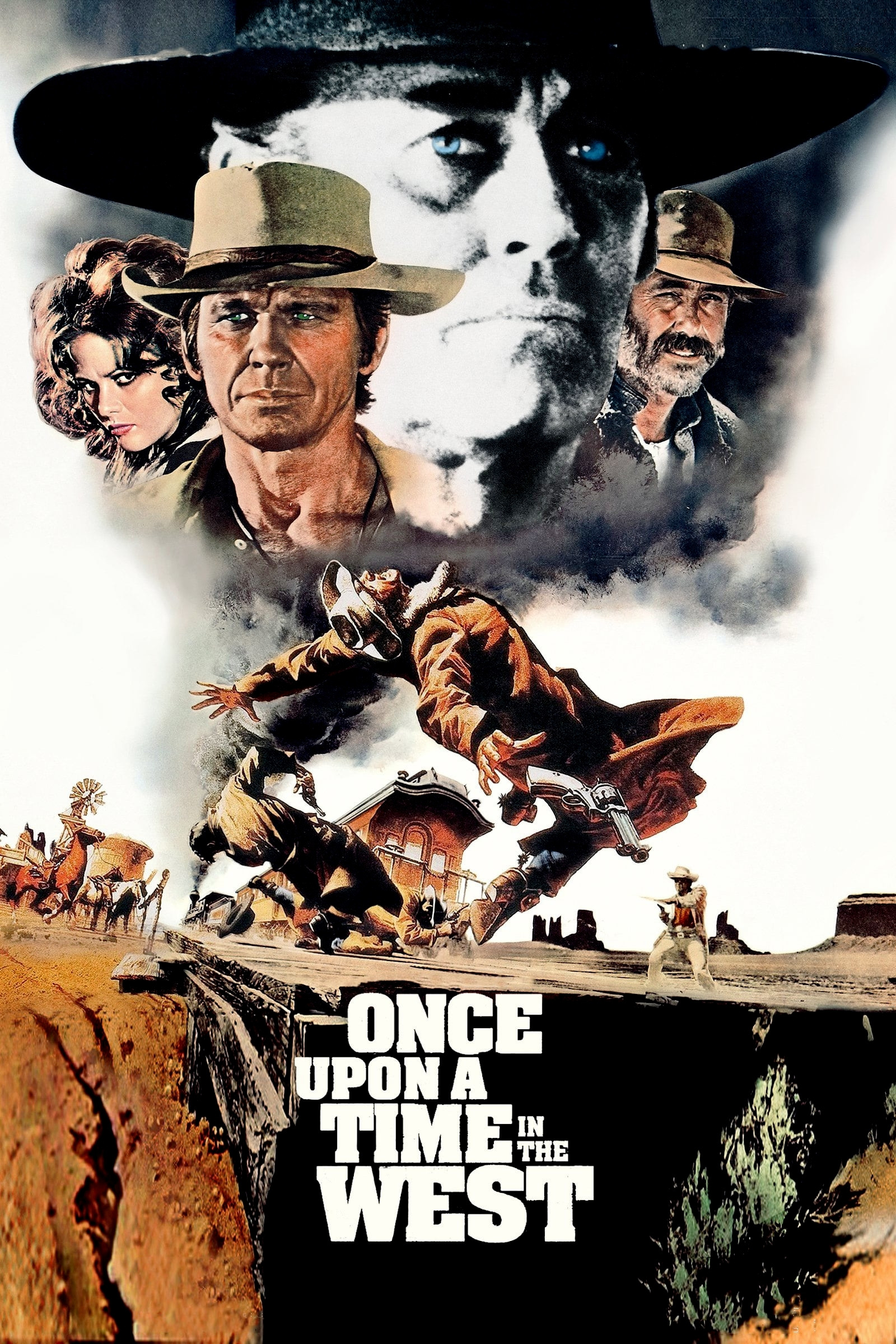
The first time I watched “Once Upon a Time in the West,” I felt like I was being invited to listen more than to look. The film’s opening, lingering in its measured, almost excruciating quiet, drew me into a world where every pause, every glance, and every squeak of a windmill blade seems to carry the weight of a century. I realized then that this was not a movie interested in telling me a story as much as it was intent on making me feel time itself—aching, patient, and unforgiving. It forced me to reconsider what the Western could be: less a genre of action, more an elegy for something lost and irretrievable.
Land, Water, and the Price of Legacy
As the narrative slowly unfolded, I became obsessed with the undercurrent of land ownership and the relentless march of progress. Jill, the former prostitute, inherits a patch of barren desert, but the true value isn’t the dirt—it’s the water running beneath and the railroad that will soon pass through. The film aches with the knowledge that the ground itself is history, memory, and violence, all compressed in a single plot of land. I found myself struck by how Leone forces us to recognize that conquest is never just about territory—it is about rewriting destinies and erasing those who came before. The film’s central conflict revolves around whose story will be told and whose will be buried beneath the tracks.
Harmonica’s Haunted Melodies
Charles Bronson’s Harmonica is haunted, but not just by revenge. Each note he plays feels like an echo from a grave, a memory so raw it aches. His music is more than a motif—it’s the film’s moral compass, a constant reminder that the West is built on suffering, retribution, and the impossibility of closure. I sensed that Harmonica’s silence was a kind of protest: in a world of violence and greed, his refusal to speak until necessary is a statement of integrity. When he finally reveals his past, it’s not for catharsis but because the cycle of vengeance demands it. This is a film where the past refuses to stay buried, where music becomes a form of memory that can wound as sharply as any bullet.
Frank and the Death of Myth
Frank, played with icy brutality by Henry Fonda, is more than a villain. For me, he is the very embodiment of the old myths dying—mercilessly and without sentiment. When Frank murders a child, Leone shatters the romantic fantasy of the gunslinger. The film’s real shock comes from its insistence that evil is not a force of nature but a product of human ambition—greed, fear, and a desire to outlast the legends that precede us. Frank’s arc is not just the story of a man corrupted, but of an entire era collapsing under its own contradictions. Leone strips away the grandeur of heroism, laying bare a West where justice is arbitrary and memory is bloodstained.
Jill McBain: The Last Hope in a Wasteland
It’s Jill, though, who lingers in my mind long after the gunsmoke clears. So often, women in Westerns are relegated to the sidelines, but here, Claudia Cardinale’s Jill is the soul of the film. Her struggle is not just for survival, but for the right to shape her own destiny in a landscape that wants to erase her. When Jill walks into the frame, carrying water to the railroad workers, I saw a moment that transcends genre: a vision of the future being built, painfully, by those who endure and refuse to die. Where the men are bound by violence and the past, Jill inherits the earth—not through force, but through resilience and grace. She is the promise that the West, brutal as it is, might someday belong to the living.
Cinematic Time: Leone’s Unhurried Vision
Watching “Once Upon a Time in the West,” I kept thinking about how Leone uses time as his most potent weapon. The film’s slowness is not indulgence; it’s a strategy, a way to magnify every gesture and strip away everything but the essential. By stretching the moments between violence, Leone exposes the emptiness at the heart of myth. The landscape becomes a character itself—vast, indifferent, and eternal. When the camera lingers on wind-blasted plains or on Harmonica’s inscrutable face, I feel the weight of every second. Leone makes the passage of time palpable, pressing upon the viewer the sense that the world is changing, even as men fight desperately to remain unchanged.
The Western Myth at Dusk
What I find most powerful is how the film acknowledges that it is arriving at the end of something. There’s a constant tension between creation and destruction, between the birth of the railroad and the extinction of the gunslinger. Leone’s title is no accident; the “once upon a time” is both a beginning and an epitaph. I’m left with the sense that the entire story is being told from the other side of history, as if the West is already lost and all that remains is to mourn and mythologize it. By depicting the twilight of an era, Leone asks whether progress is ever bloodless, and whether the stories we tell about our origins can ever be free from regret.
Icons Reimagined: Casting as Commentary
It stunned me to see Henry Fonda—an actor I associated with virtue—cast as a cold-blooded killer. Leone weaponizes our expectations, using Fonda to highlight how easily heroes can become villains in a world untethered from morality. I realized that the casting is not just a narrative device, but a commentary on storytelling itself; we bring our own myths to the screen, and Leone gleefully demolishes them. Jason Robards’ Cheyenne, a bandit with surprising depth, complicates the line between outlaw and hero, while Bronson’s Harmonica complicates vengeance with trauma. By bending iconic stars out of shape, Leone asks us to interrogate the myths we cherish and the truths we choose to ignore.
Elegy for an Unfinished Dream
By the time the credits rolled, I felt as if I’d witnessed not just a narrative, but an entire worldview in its final moments. “Once Upon a Time in the West” mourns the death of old, violent dreams while suggesting that something new—painful, imperfect, but alive—might be built from their ruins. The West, as Leone paints it, is not a place of adventure, but of consequence. Every action has a cost; every myth is paid for in suffering. Yet, amid the dust and blood, the hope embodied by Jill persists—a fragile promise that the future belongs to those who endure, not those who destroy. I am left haunted by the film’s sorrow, but also strangely hopeful, as if the myth can be remade, if not redeemed.
If These Shadows Move You: Two Recommendations
If you found the melancholy grandeur and moral ambiguity of “Once Upon a Time in the West” compelling, I suggest seeking out “The Searchers” and “McCabe & Mrs. Miller”—two films that grapple with the cost of civilization and the complexity of the frontier dream.
If you’re curious about how this film was originally perceived or how it compares to similar works of its era, these resources may be helpful.
🎬 Check out today's best-selling movies on Amazon!
View Deals on Amazon