
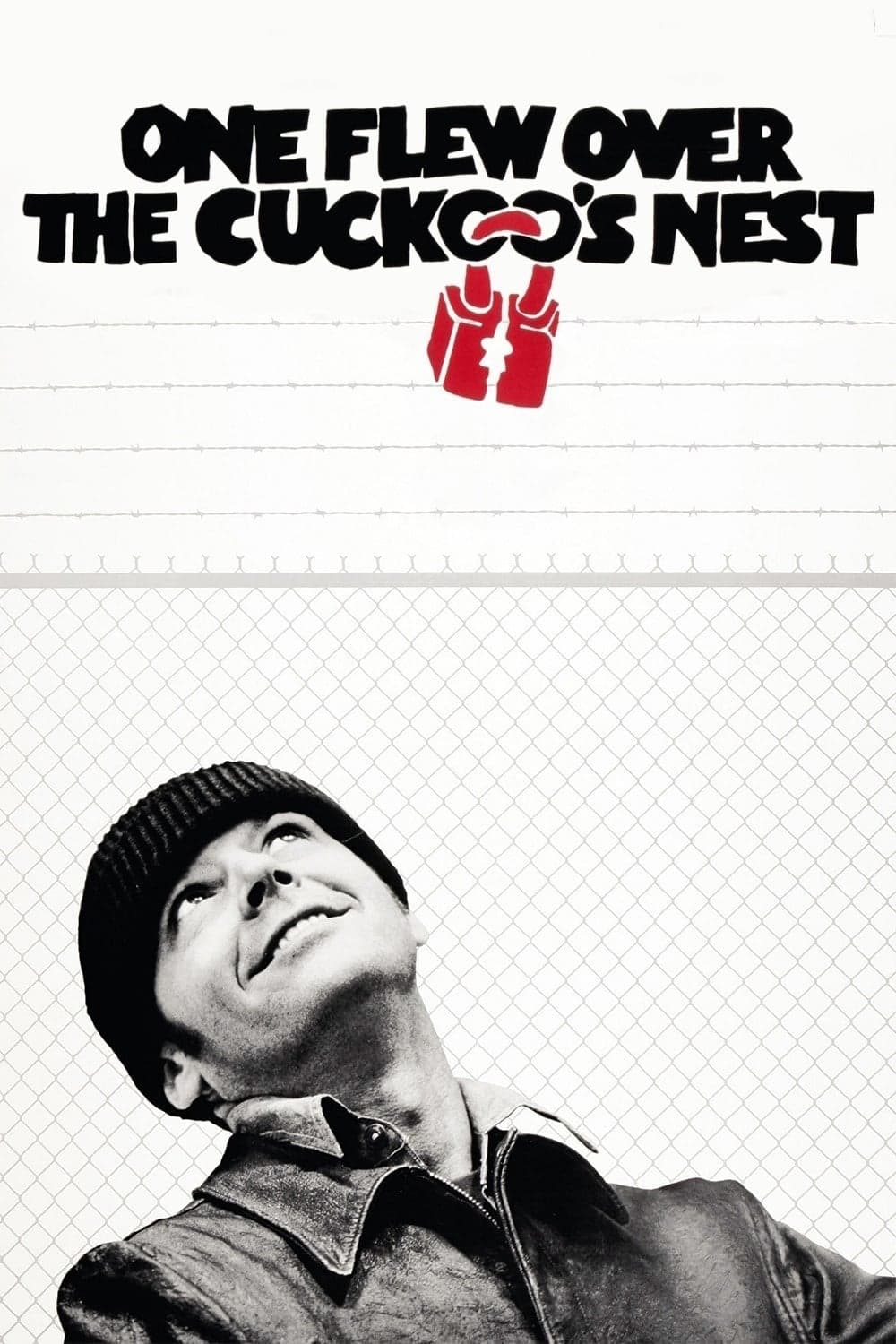
The first time I watched “One Flew Over the Cuckoo’s Nest,” I was sitting cross-legged on a creaky apartment floor, the kind where you can hear the pipes groan. I’d been told it was “about rebellion,” but nothing anyone said prepared me for how emotionally raw and devastating the film actually was. Jack Nicholson’s wide, unpredictable grin stuck with me—for days, even after the credits faded. I still remember shutting off the TV, stunned by the bitter taste of hope and defeat the movie left lingering in my mind. What has always fascinated me about this film is not just its legendary status, but the way it cracks open questions about authority, dignity, and sanity themselves—and how, decades later, those questions still don’t have clear answers.
What the Film Is About
From my perspective, “One Flew Over the Cuckoo’s Nest” is the story of a battle within four walls that somehow becomes universal. Randle P. McMurphy, a brash, unruly outsider, courts institutionalization as an escape from prison. Yet, once inside the mental ward, he finds himself up against something larger than mere incarceration: an invisible machinery of control wielded by Nurse Ratched and codified by the routines of hospital life. The true conflict is not between madness and sanity, but between the human spirit and the relentless machinery of conformity.
This film’s emotional journey starts as a raucous standoff: McMurphy bursts onto the ward, a live wire among men who’ve been muted by years of institutional routine. His charisma irritates, inspires, and ultimately threatens the existential order Ratched represents. Through the slow, devastating spiral of events, I see each patient’s struggle—especially through the eyes of the mute Chief Bromden—as a quest for some fragment of lost agency. By the end, the clash between McMurphy’s life-affirming chaos and Ratched’s sterile control becomes a microcosm for the stubborn resilience of the human soul in the face of relentless institutional power.
Core Themes
Power—both its abuse and its absence—is at the heart of every frame. Watching this film, I’m always struck by how believably it renders the insidious power of bureaucracy. Nurse Ratched never raises her voice; her authority is wielded in whispers, icy pauses, clipped instructions. The ward becomes a crucible in which the cost of nonconformity is made visible. The film forces me to ask: At what point does “order” become oppression? In 1975, in the wake of civil rights struggles and anti-establishment movements, this question must have stung audiences with particular urgency.
But just as essential is the exploration of identity—as something fragile, malleable, and desperately protected. Each patient displays their own negotiation with trauma and societal failure, their quirks and tics almost defensive shells against a world that has stripped them of autonomy. The question of what constitutes “sanity”—who gets to decide, and by what standards—remains as relevant now as it did at the time of release. I’m moved by how the film mirrors today’s conversations about mental health and stigma. The struggle for self-definition—against labels, against external control—still feels explosively current.
Symbolism & Motifs
What lingers with me most are the film’s subtle visual metaphors. The barred windows, the omnipresent glass that separates the nurse’s station from the rest of the ward, serve as literal and psychological barriers. They are reminders that the patients are watched, enclosed, and ultimately judged from a distance. The fishing trip, which seems almost whimsical in the context of an institution, is one of the film’s purest images of stolen freedom—the patients briefly reclaim their identities, if only outside the watchful gaze of authority.
Most potent for me is the motif of silence and voicelessness—exemplified in Chief Bromden. His apparent muteness, revealed to be feigned, is a symbol for the survival strategies of the marginalized—the invisible who are rendered silent until they are finally heard. The “fog” Chief speaks of is as much a metaphor for institutional dehumanization as it is for his own psychological escape. When the fog lifts, so does the possibility for resistance and self-assertion.
The recurring image of the water fountain—an unmovable object that McMurphy ultimately cannot shift—reminds me that some obstacles, no matter how much force of will is applied, remain unconquerable. Yet, the ultimate act of liberation—the Chief hurling the fountain through the window—suggests that freedom, if it comes at all, is often earned through the most desperate means.
Key Scenes
The Fog Is Lifted: Chief Bromden Finds His Voice
There is a late-night conversation between McMurphy and Chief that completely redefined the film for me the first time I saw it. When Chief speaks, unexpectedly, “Thank you,” after an entire movie spent pretending to be deaf and mute, it’s seismic. In that moment, the themes of power and resistance collapse from abstraction into something real; Chief’s silence has been a kind of shield, and McMurphy’s energy has finally given him the courage to step out from behind it. The scene’s power comes from its quietness, a reversal of McMurphy’s outsized bluster and Ratched’s cold serenity.
The Party and Its Aftermath: Order Unraveled
The illicit ward party—rowdy, anarchic, and laced with tragedy—stands as a critical turning point. It’s the brief night of genuine freedom for these men, full of laughter and catharsis. Yet, the morning after, when the world comes crashing back with the arrival of authority and the shattering suicide of Billy Bibbit, the film delivers one of its most devastating lessons. It’s here that I deeply feel the cost of resistance, and how institutions can reassert their power in the cruelest ways, extinguishing fragile hope without mercy.
Final Escape: Chief’s Act of Deliverance
The culminating escape—Chief Bromden, after McMurphy’s tragic fate, finally smashing the water fountain through the window and running into the night—remains one of the most cathartic moments I’ve felt in cinema. This act isn’t just about physical freedom; it’s a statement of existential renewal. What moves me is not that everyone escapes, but that, after everything, at least one person claims the possibility of a life on their own terms.
Common Interpretations
Many critics center their reading on the film as a metaphor for the struggle against totalitarianism and repressive authority. They highlight Nurse Ratched as a symbol of the faceless system, appropriating the narrative as a broad allegory for political resistance. I certainly see and appreciate these readings—especially given the era’s anxieties about conformity and state power.
But what hits me most powerfully today is less the allegory than the individual acts of survival and defiance within the machine. For me, the most enduring takeaway is not just that oppression exists, but how the smallest acts of kindness, humor, and rebellion can return dignity to those the system deems powerless. McMurphy isn’t a saint—his rebellion is messy, sometimes selfish. But in giving the others a glimmer of agency, however fleeting, he shifts the entire psychic climate of the ward. Critics are right to emphasize the political dimension, but I find the personal resistances more enduringly meaningful.
Films with Similar Themes
- Cool Hand Luke (1967): Like “One Flew Over the Cuckoo’s Nest,” this film explores individual rebellion against institutional authority, with Paul Newman’s Luke clashing against the iron fist of the prison system.
- Girl, Interrupted (1999): Set in a psychiatric facility, it also questions societal definitions of sanity and the meaning of personal autonomy, especially for marginalized women.
- Dead Poets Society (1989): The narrative of nonconformity is mirrored as Robin Williams’ character inspires students to challenge rigid authority and seize their own agency.
- A Clockwork Orange (1971): Both films interrogate the boundaries between freedom and social control, probing what happens when individuality is suppressed by institutional systems.
Why It Still Matters: A Final Reflection
I truly believe that modern audiences can still find both challenge and affirmation in this film’s relentless honesty. At a time when discussions about mental health, institutional power, and selfhood have evolved—but not nearly enough—the questions “One Flew Over the Cuckoo’s Nest” posed remain radically unsettled.
To approach this film today is to grapple with what we owe to those held within society’s margins—and what it costs to resist the technologies of control in all their forms. For me, understanding these themes deepens my appreciation, not only for a classic performance or an elegantly constructed scene, but for the very real choices and compromises people make in the face of authority, every day.
Related Reviews
If you found value in my perspective, you might also enjoy exploring my thoughts on other cinematic landmarks such as Cool Hand Luke and Dead Poets Society.
To broaden this interpretation, you may also explore how critics and audiences responded over time.
🎬 Check out today's best-selling movies on Amazon!
View Deals on Amazon