
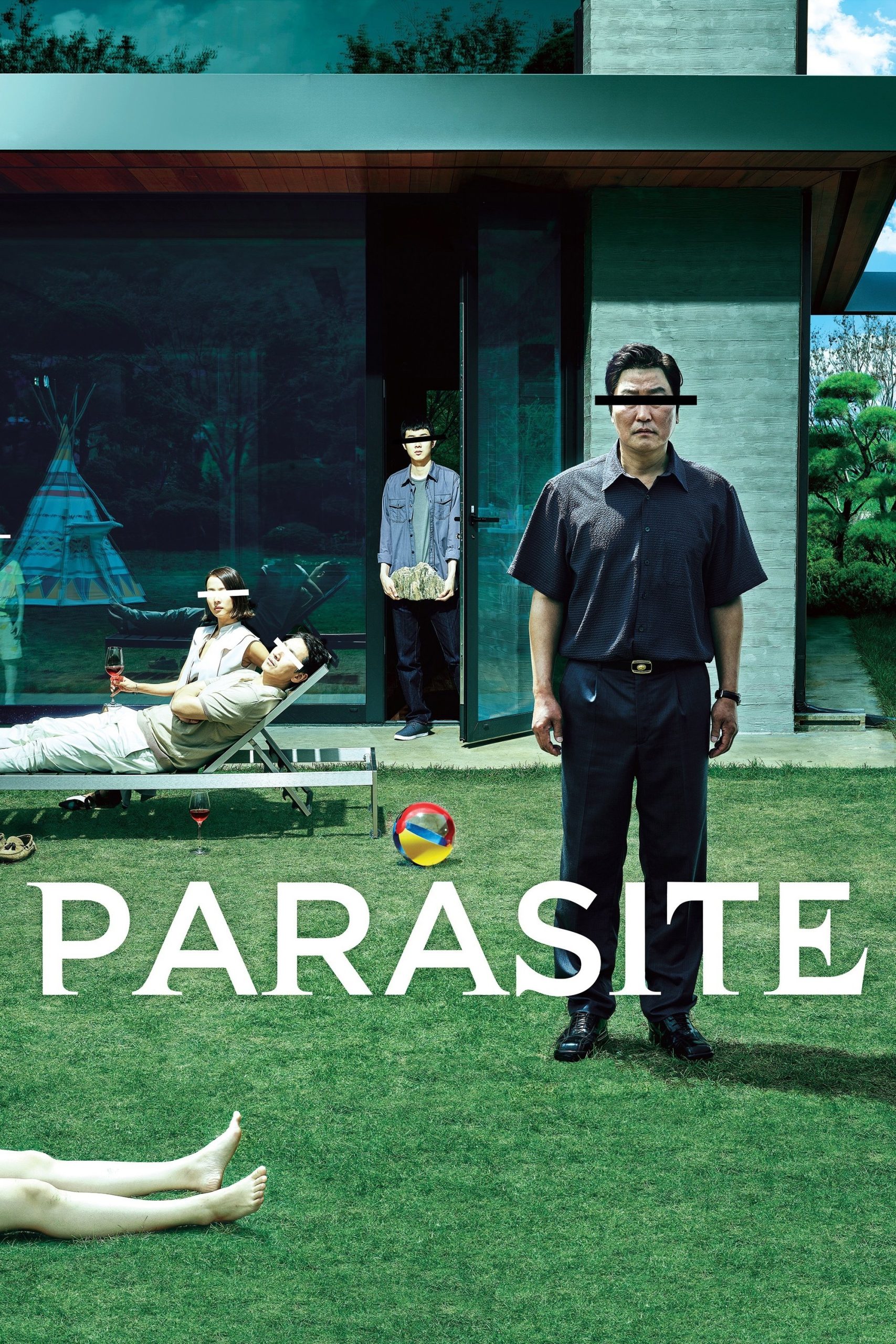
There are only a handful of films that have taken me by complete surprise from the very first frame, and Bong Joon-ho’s “Parasite” sits atop that list. The memory of watching it for the first time—utterly unspoiled, plunged into its shifting tones—remains vivid. I remember the sensation of gradual unease, the delight in observing small details, and the creeping awareness that beneath the film’s humor and suspense, there was something far more provocative at play. For me, “Parasite” isn’t just a movie; it is a mirror, one that reflects social truths we often feel rather than articulate.
What the Film Is About
At its core, “Parasite” chronicles the intersection of two families—the impoverished Kims and the affluent Parks—through a cascade of improbable events that manages to feel disturbingly plausible. The emotional journey is nothing short of a seesaw: upended expectations, moments of hope, dread, brief laughs, and the gnawing anxiety that everything might collapse. What stands out most is the self-delusion that pervades both families. While the Kims dream of grasping something beyond their reach, the Parks shelter themselves within a pristine bubble of privilege. The film carefully exposes each character’s moral grayness, gradually dismantling the myth of individual merit until what’s left is a shared vulnerability, raw and exposed.
“Parasite” builds its tension less like a thriller and more like a psychological experiment. The central conflict—who truly ‘belongs’ in a world stratified by wealth, opportunity, and inherited fortune—is explored not with didacticism, but with sly wit and mounting discomfort. As I watched the Kims insinuate themselves into the Parks’ household, I sensed not merely a heist, but an existential trespass; boundaries were being crossed, both literal and philosophical. What’s so devastating is that every victory for the Kims comes with an anxious caveat: the sense that society’s invisible boundaries, once transgressed, will always seek a dreadful rebalancing.
Core Themes
More than any other recent film, “Parasite” deftly examines the inescapable divide between economic classes. It’s a chasm that feels at once comic and tragic, rendered here with unblinking clarity. The Kims’ ascent into the Parks’ home is as much an infiltration as it is a desperate wish for transformation. I’m continually struck by the film’s refusal to let either family off the hook—neither is wholly villainous nor completely sympathetic. The machinery of capitalism, Bong seems to argue, doesn’t just separate us; it reshapes our very humanity.
When “Parasite” was released in 2019, the economic anxieties and rising social unrest across the globe gave the film a sense of contemporary urgency. Watching it now, it feels even more relevant. The theme of aspiration—of wanting a place at the table, only to discover the table was never meant to include you—resonates with anyone who’s felt shut out by systemic barriers. That longing curdles into resentment, with catastrophic results. For me, the film’s brilliance lies in how it dramatizes these aspirations, not as abstract principles, but as lived and often painful experiences.
Symbolism & Motifs
Few films are as visually attentive as “Parasite.” The recurring motif of stairs and vertical space is one of the most effective metaphors I’ve seen on screen. Every ascent for the Kims—climbing up to the Parks’ mansion, rising to new roles—contrasts with their own subterranean semi-basement home, half-sunk below the street. Stairs become not just physical, but social: a constant reminder of who is allowed to rise and who must remain below.
Another symbol that lingers with me is the scholar’s rock. Initially a token of hope—a charm for academic and economic good fortune—it gradually takes on a double meaning. It grounds the Kims in generational aspiration, yet it’s heavy, almost burdensome. When the rock is later used in an act of violence, it underlines the destructive cost of chasing illusory dreams. The motif of rain also deserves mention; what appears to be a cleansing force for one family is, for the other, an unmitigated disaster, displacing and humiliating them. These symbols linger—not as ornamental gestures, but as sharp instruments cutting into the narrative’s heart.
Key Scenes
Rewriting Identity: First Forged Document
One of the most pivotal moments arrives when Ki-woo forges his university documents to enter the Parks’ home as an English tutor. This act of self-reinvention is more than a plot device; it’s the ignition for the Kims’ collective charade. Watching this unfold, I was acutely aware of how bureaucratic trappings—resumes, certificates—stand in for real worth in society’s eyes. The duplicity is tinged with sadness: the Kims aren’t simply deceiving the Parks, but also themselves, grasping for an identity they know they can never fully inhabit.
Chaos Under the Surface: The Basement Revelation
Few scenes have unnerved me as profoundly as the Parks’ former housekeeper returning to the mansion during a stormy night. The subsequent discovery of the hidden basement and its occupant marks a brilliant narrative escalation. Suddenly, the story splinters; the Kims realize they are not the only infiltrators, and a whole new class of “undesirables” exists beneath them. This literal descent exposes the myth that suffering has a simple hierarchy—there is always another rung below. The image of the Kims stumbling across this subterranean secret is seared into my memory; it’s a visual declaration that inequality runs far deeper than the surface would suggest.
Tragedy at the Garden Party: The Final Reckoning
The film’s climax at the Parks’ garden party is orchestrated with both operatic flair and chilling inevitability. The violence that erupts feels less like a plot twist than the eruption of years’ worth of suppressed outrage, humiliation, and longing. Here, the polite veneer of civility is torn away. The juxtaposition of celebration and tragedy invites both shock and a kind of grim recognition: societies built on exclusion and façade are always a hair’s breadth from unraveling. For me, this moment embodies the film’s greatest insight—that the cost of divided lives, if left unexamined, can be tragically irreversible.
Common Interpretations
In the immediate wake of its release, critics were quick to label “Parasite” a simple allegory of class warfare or, more reductively, as anti-capitalist satire. While I agree that the film is a searing examination of economic disparity, I resist the notion that it’s only about “the rich versus the poor.” Many commentators highlight the Kims’ resourcefulness, reading them as heroes in a rigged system, or see the Parks as hopelessly naive antagonists. Yet I believe the film’s empathy is broader and less dogmatic: both families are shaped, wounded, and ultimately destroyed by structures beyond their control.
Where some see the ending as an indictment of hope—a cruel joke, as the dream of escape is revealed as fantasy—I interpret it as a wake-up call. The final sequence, with its imagined promise of reunion, crushes us precisely because it exposes the seductive unreality of “social mobility” in its current form. For me, Bong’s refusal to grant closure is not nihilistic, but honest: the work of understanding and change is always unfinished.
Films with Similar Themes
- Shoplifters (2018): Hirokazu Kore-eda’s film also delves into unconventional families surviving on the margins of Japanese society, exploring the boundaries between belonging and exclusion.
- Snowpiercer (2013): Another Bong Joon-ho film, but this time the class struggle unfolds on a dystopian train, using genre to dramatize the brutality of social stratification.
- Burning (2018): Lee Chang-dong’s enigmatic thriller similarly probes class resentment and existential longing, with a focus on alienation in modern South Korean society.
- American Beauty (1999): This classic American drama dissects the hollowness beneath suburban affluence, using dark humor and tragedy to critique class aspiration and family dysfunction.
Conclusion
This is a film that demands repeated viewing—not merely to catch clever details, but to wrestle with the questions it raises about inequality, aspiration, and false belonging. To approach “Parasite” today is to see how economic reality has only grown sharper, the lines between “us” and “them” more defined than ever. Modern viewers can find in it not just social critique, but a test for empathy—and a challenge to ask who, in any system, gets to write the story. For me, the value of understanding “Parasite” lies in how it equips us to see those invisible structures in our own lives, not as distant fictions, but as urgent realities.
Related Reviews
If you found value in my perspective, you might also enjoy exploring my thoughts on other cinematic landmarks such as “Bicycle Thieves” and “The Rules of the Game”.
To broaden this interpretation, you may also explore how critics and audiences responded over time.
🎬 Check out today's best-selling movies on Amazon!
View Deals on Amazon