
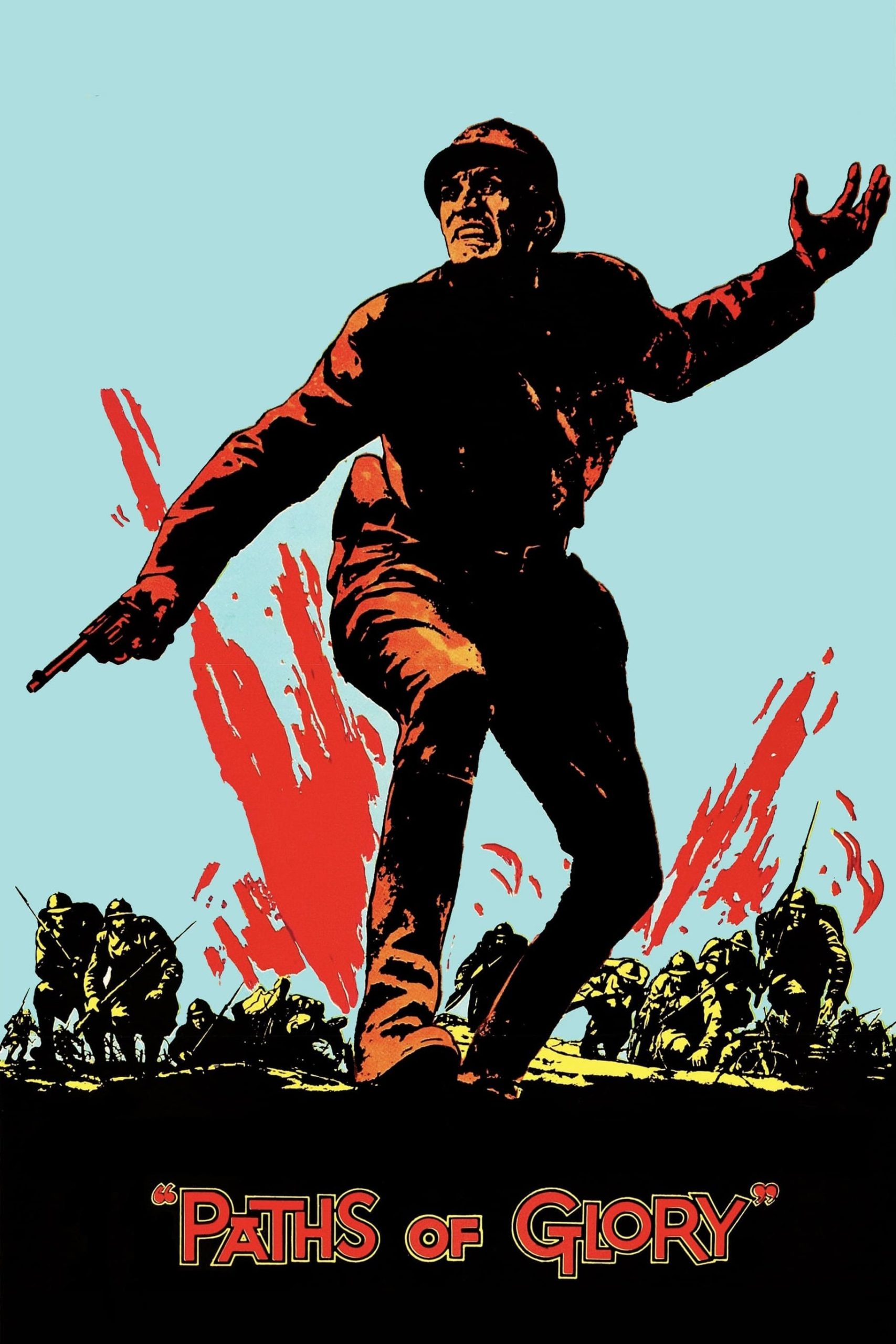
Morality in the Mud: My First Reckoning with “Paths of Glory”
I remember the first time I watched “Paths of Glory,” the taste of mud in my mouth was almost real. Kubrick doesn’t so much invite you into the trenches as shove you down among the rats and the screaming men. For me, the film’s true power never came from its wartime spectacle or even its protest against military absurdity. Instead, every frame seemed to demand that I ask myself: How do we hold onto our humanity at the ugliest edges of civilization?
The Unrelenting Architecture of Authority
From the first moments, I felt crushed—not by the artillery fire, but by the weight of the chateau’s marble halls. Kubrick’s camera lingers over grand stairways and ornate ceilings where the generals plot, a universe away from the grim dirt and blood below. The architecture of the high command is more than a set; it’s a physical manifestation of their detachment and self-importance. I couldn’t ignore how this separation between the soldiers and their leaders is reflected in every decision made. When General Mireau orders the impossible attack and then demands scapegoats, I saw power not as competence but as a ritualized performance, protected by walls both literal and ideological. The film never lets us forget that abstraction and distance breed callousness.
A Human Face Among the Cannons
Colonel Dax, played by Kirk Douglas, is that rare thing in war cinema: a man caught in the machinery, battered yet unbroken. I watched with a sense of growing anguish as he struggles to defend his men—not just legally, but morally. Dax’s resistance isn’t heroic in the conventional sense; it’s desperate, stubborn, and never victorious. When he stands alone in the courtroom, I felt the full horror of a world where justice is a pretense—where the real crime is to be visible, expendable, and unprotected. Dax’s struggle is the film’s conscience and its wound—he fights the inhumanity around him, but he cannot ultimately prevent its triumph.
The Ritual of Sacrifice and Absurdity
There’s a chilling precision in the way the executions are staged. I was struck by how Kubrick frames the walk to the firing squad: ritualistic, almost religious, yet emptied of meaning. The film doesn’t offer the comfort of martyrdom or redemption. Instead, the executions feel like a grotesque parody of justice, exposing the absurdity of war’s logic. The men chosen to die do so not for their own failures, but to preserve the fragile edifice of military prestige. What struck me most was how Kubrick finds horror not in the spectacle of violence, but in the banal bureaucracy that orchestrates it. The signatures, the processions, the forced gravity of the officers—all of it bears down on the condemned with a weight heavier than the bullets themselves.
Language as Weapon and Refuge
Listening to the dialogue, I noticed how the film uses language as both a weapon and a shield. The officers’ speech is all euphemism—“necessary action,” “maintaining discipline.” This sanitized rhetoric camouflages cruelty, transforming disaster into a matter of policy. In contrast, the moments of raw honesty among the soldiers—their confessions of fear, their desperate jokes—felt like small acts of rebellion. The film made me realize that in such an environment, truth becomes a subversive act, and the simple acknowledgment of fear or guilt is a way to reclaim personhood in the face of institutional erasure.
The Eyes of the Condemned: Witnessing and Responsibility
Some of the film’s most unforgettable moments hinge not on action, but on observation. The camera lingers on the faces of the condemned soldiers—Ferol, Paris, and Arnaud—each a study in dread and bewilderment. I found it impossible to look away. Kubrick doesn’t flinch, and neither can I. By forcing us to witness their terror, the film implicates us in their fate. Are we complicit for watching? Or do we bear a responsibility, as viewers, to remember these faces, these stories? Paths of Glory” makes passive observation impossible; it insists that I engage, that I feel something more than pity—maybe rage, maybe shame.
The Final Song: A Momentary Reprieve
One of the most haunting sequences for me is the film’s ending—when a captured German girl is forced to sing before drunken French soldiers. There’s a sudden, shattering stillness in the room; her trembling song pierces through the bravado and bravura. I watched as the men’s laughter faded, shame and longing breaking through their masks. This moment, brief and fragile, is the closest the film comes to hope—a reminder of common humanity amid the machinery of war. Yet, even here, I couldn’t ignore the ambiguity. Is this a reprieve, or just another form of power and surrender? Kubrick never offers easy answers, and I love him for it.
Order, Chaos, and the Indifference of the System
The geometry of Kubrick’s shots haunted me long after the credits rolled. The lines of marching soldiers, the symmetry of the courtroom, the rigid choreography of executions—all suggest order, but it’s an order built on arbitrary violence. The film suggests that beneath every system, no matter how rational it appears, lurk irrational impulses and self-destruction. The generals insist on control, but their control creates chaos. For me, the true terror of “Paths of Glory” isn’t the battlefield’s randomness, but the way institutions generate suffering for their own perpetuation. The machine keeps moving, indifferent to the lives it destroys.
What Remains: The Legacy of Conscience
After watching “Paths of Glory,” I found myself wondering what it means to act ethically in a world that rewards obedience and punishes dissent. The film doesn’t celebrate rebellion so much as mourn its impossibility. In Dax’s final gestures—his attempt to shield the condemned, his outrage at Mireau’s hypocrisy—I saw not hope, but the necessity of conscience, even when it fails. Kubrick seems to argue that dignity is found not in victory, but in the refusal to be dehumanized, no matter how futile that refusal may seem. I walked away haunted, convinced that the film’s most devastating truth is its clarity: that systems can crush individuals, but not their capacity for compassion or outrage.
If “Paths of Glory” Spoke to You
If you felt the same chill and provocation that I did, I would urge you to experience
- Grand Illusion – for another unflinching look at the arbitrary nature of military hierarchy and the human bonds that transcend it.
- The Bridge on the River Kwai – for its meditation on authority, madness, and the tragic ironies of leadership in wartime.
If you’re curious about how this film was originally perceived or how it compares to similar works of its era, these resources may be helpful.
🎬 Check out today's best-selling movies on Amazon!
View Deals on Amazon