
In the Shadow of Choices: The Moral Maze of “Prisoners”
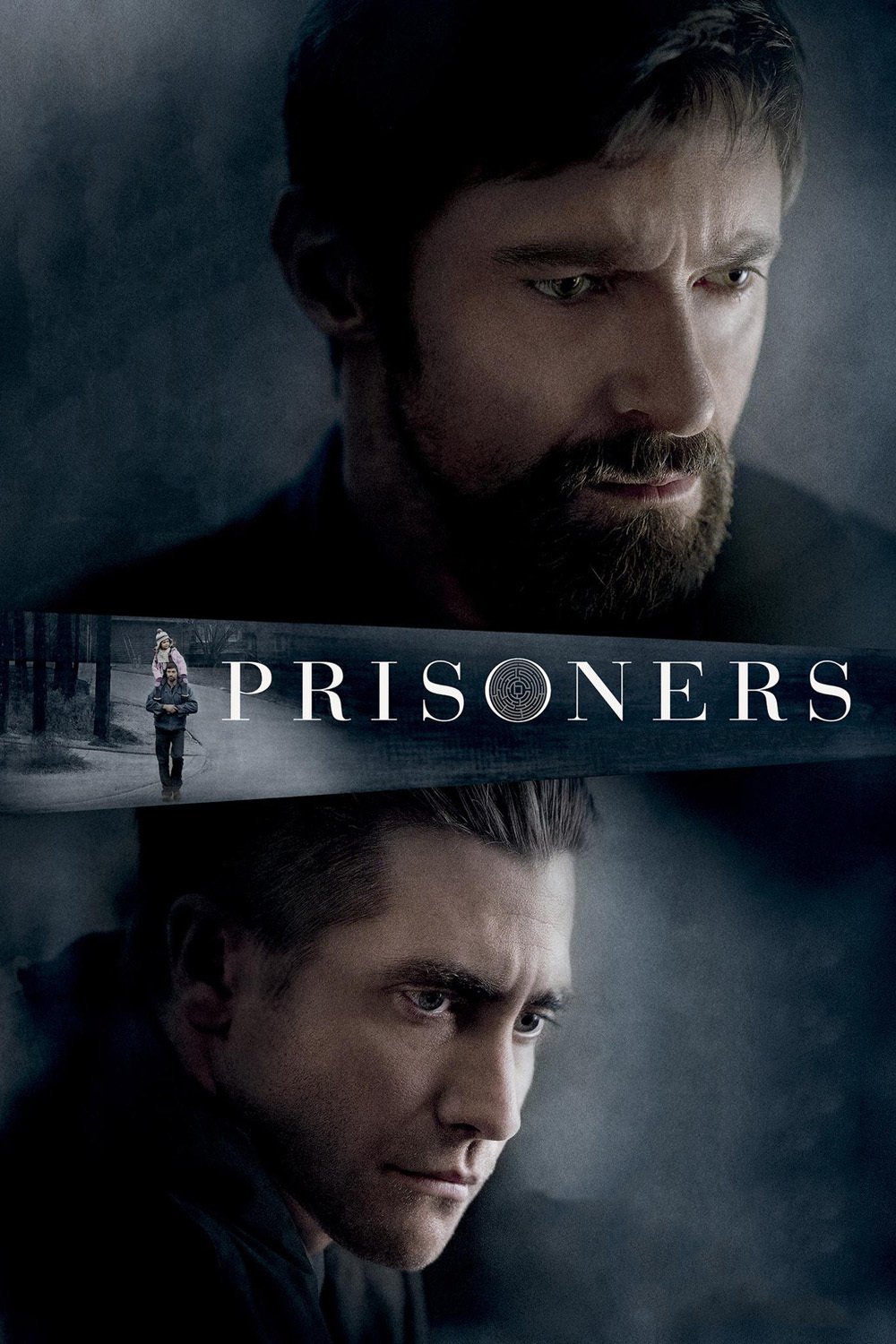
From the moment I first watched “Prisoners,” I found myself haunted not simply by the film’s bleak narrative, but by the labyrinth it constructs around morality. I realized quickly that this is not a film about the simple binaries of good and evil, but a relentless exploration of how ordinary people become unrecognizable to themselves when desperate for justice. Denis Villeneuve doesn’t just direct a thriller—he orchestrates a psychological descent where every character walks the razor’s edge between salvation and ruin.
Weathered Faces and Unrelenting Rain
I’ve always felt that films which lean heavily on atmosphere are rarely just trying to set a mood—they’re using environment as character. In “Prisoners,” the perpetual rain, the muted palette, the dampness soaking into every frame—these aren’t just stylistic flourishes. The ceaseless downpour becomes a kind of baptism, but not the cleansing sort; it’s a baptism by mud and despair, mirroring the moral murkiness that consumes the characters. Watching Keller Dover trudge through the rain, I saw a man not washed clean by suffering, but permanently stained. The weather’s persistence almost mocks the notion of clarity or redemption, reinforcing Villeneuve’s vision that real-life horror doesn’t arrive in thunderclaps, but endures in the slow drip of uncertainty and dread.
A Father’s Fury: The Poison of Righteousness
I can’t shake the way “Prisoners” turns the archetype of the protective father inside out. Keller Dover, played with volcanic intensity by Hugh Jackman, is a man who believes he’s justified by his anguish. Yet I found myself recoiling as much from his decisions as from the film’s antagonist. The film’s central tragedy isn’t just the disappearance of children, but the realization that the desire for justice can rapidly metastasize into something monstrous. Dover’s shift from victim to perpetrator—imprisoning and brutalizing a suspect—isn’t a twist, but the crux of the film’s question: What are we willing to become when our loved ones are threatened? I see in Dover’s journey the terrifying power of conviction, and how quickly it devolves into self-destruction.
Detective Loki: Searching for Answers in a Broken System
When I watch Jake Gyllenhaal’s Detective Loki, I see a man who’s both doggedly competent and existentially adrift. Loki isn’t a heroic crusader; he’s a vessel through which I experience the film’s critique of institutional impotence. Every dead end, every missed clue, is not just a narrative device, but a reminder that the systems we trust to deliver justice are as fallible—and as haunted—as the people within them. His subtle twitches, his tightly wound demeanor, feel like the physical manifestation of the mounting frustration we all feel when confronted with senseless tragedy. Loki’s journey isn’t a race against time, but a confrontation with the limits of reason in a world where the ground is always shifting beneath our feet.
Monsters in Human Skin
If there’s a chilling thesis at the heart of “Prisoners,” it’s this: The true monsters are rarely those we expect. The film’s antagonists—ostensibly unremarkable, even pitiable—subvert every expectation. Their motivations are steeped in loss, revenge, and warped faith, not comic book villainy. I find a particular horror in this banality; the evil in “Prisoners” is not grandiose, but methodical, tired, and frighteningly plausible. This subversion makes every act of violence feel more personal, more intimate—reminding me that what we most fear isn’t the monster under the bed, but the stranger we pass on the street or the neighbor we think we know.
The Pitfall of Certainty
As I reflect on the film long after the credits roll, I keep returning to the moments where certainty becomes the most dangerous weapon. The moral logic that drives Dover’s crusade is the same logic that blinds so many to the truth. His certainty about Alex’s guilt—despite mounting evidence otherwise—becomes the engine of his own undoing. Here, Villeneuve exposes the peril of clinging to answers rather than questions. For me, this is where the film is most damning: it’s not evil that corrupts men, but the conviction that they are right. Everyone in “Prisoners” is searching for certainty, but the more they grasp, the more it slips away, leaving only devastation in its wake.
Faith, Absence, and the Silence Between Prayers
There’s a near-suffocating sense of spiritual longing threaded throughout “Prisoners.” The film is filled with the iconography of faith—crosses, prayers, whispered invocations—but I sense that Villeneuve is less interested in faith as salvation than as a source of torment. The film interrogates what happens when faith collides with unimaginable absence. Dover is a man whose belief in providence shatters with every passing hour, while the perpetrators wield faith as justification for atrocity. The silence that permeates scenes of prayer feels less like hope and more like abandonment, a howl into the void. For me, the film’s ultimate spiritual terror is not unanswered prayers, but the suspicion that no one is listening at all.
Visual Claustrophobia: The Cage Inside and Out
Villeneuve and cinematographer Roger Deakins create a visual language that’s all about confinement. I notice how the camera lingers in narrow hallways, cluttered basements, and rain-streaked car windows. The recurring motif of imprisonment—both literal and psychological—is inescapable. The girls’ abduction is the instigating crime, but every character ends up caged by circumstance, guilt, or obsession. Even the final note of the film—a faint, desperate whistle—leaves us suspended between hope and the grim possibility that escape is impossible. I left the film feeling not relief, but a sense that the real prison lies in the damage we inflict on ourselves and others in the name of love.
The Slow Unraveling: Time and the Erosion of Self
What strikes me most is the film’s refusal to offer catharsis. Time in “Prisoners” isn’t linear; it’s a tight wire strung between dread and inevitability. I felt every minute of the parents’ anguish, each day stretching thinner and thinner until identities begin to dissolve. The longer the ordeal endures, the more the characters’ boundaries blur—the difference between protector and abuser, between seeker and lost, grows indistinct. By the end, none of the survivors return to the world as they once were. The true cost isn’t just the lives threatened or lost, but the irreparable erosion of self that occurs beneath the surface of unrelenting terror.
Cinematic Echoes: Where to Look Next
Few films leave me as raw as “Prisoners,” but for those who crave the same tangled moral landscapes and atmospheric dread, I urge you to seek out these two classics:
- Seven (1995)
- Silence of the Lambs (1991)
If you’re curious about how this film was originally perceived or how it compares to similar works of its era, these resources may be helpful.
🎬 Check out today's best-selling movies on Amazon!
View Deals on Amazon