
The Day Suburbia Lost Its Innocence
There’s a particular moment in Poltergeist that, for me, encapsulates everything the film is truly about—and it isn’t the flashes of supernatural chaos or the iconic television static. It’s the look on JoBeth Williams’ face, somewhere between awe and terror, as her familiar home becomes a stranger to her. That moment has haunted me more than any jump scare because I see the very fabric of American safety being torn apart. From the opening shots, I’m invited into the Freeling family’s suburban haven, only to witness it unravel. Poltergeist, at its core, is a film about the fragility of the American Dream, the hidden costs of comfort, and the ghosts we ignore until they rise up screaming for acknowledgment.
Television: The Portal and the Mirror
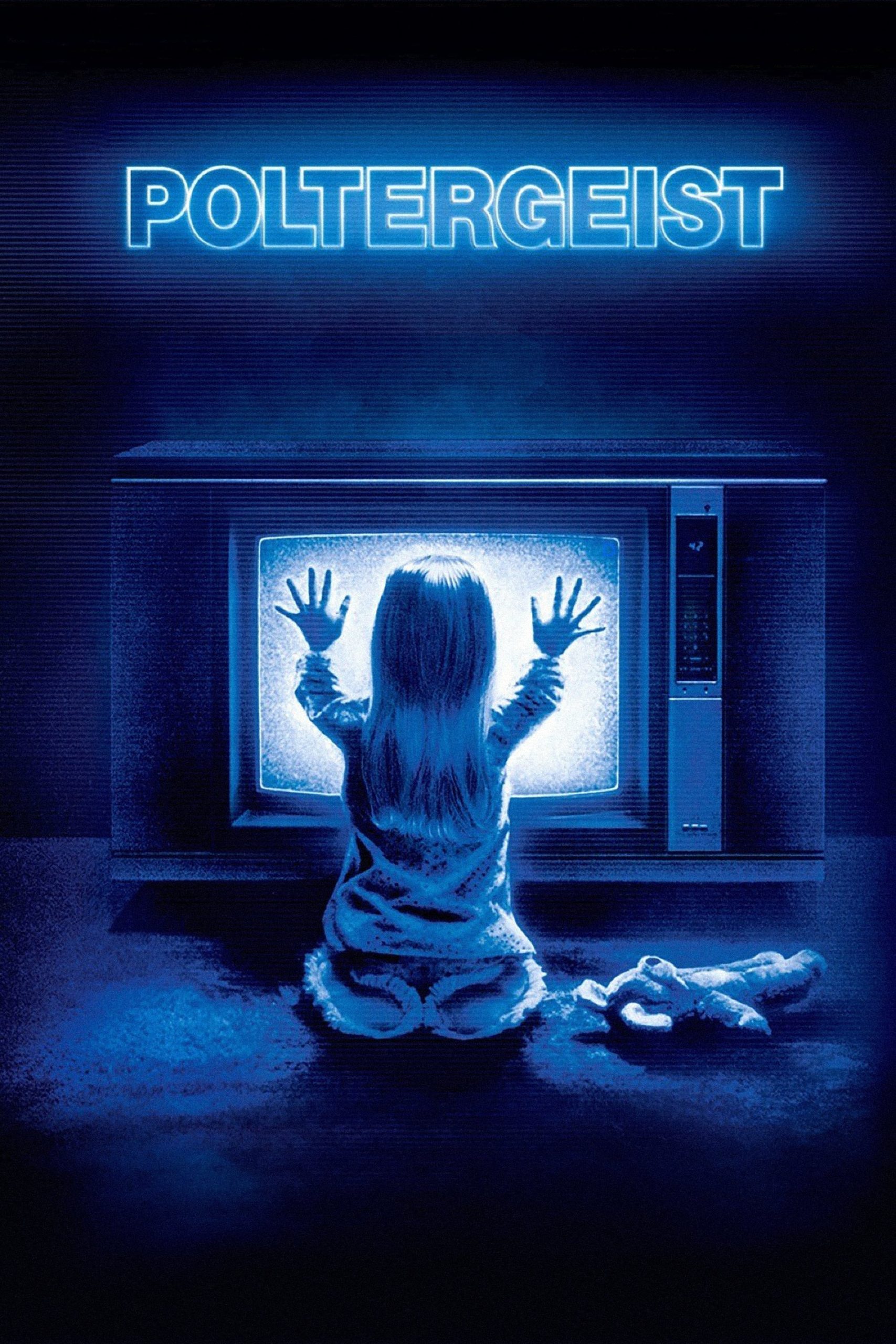
I can’t think about Poltergeist without feeling the hum of cathode ray tubes behind my eyes. The way the film uses television isn’t just about a kid getting sucked into static; it’s about the TV as an ever-present entity in every middle-class home—a portal, yes, but also a mirror. When Carol Anne presses her palms to the screen, I’m reminded of the trance that television cast over my own childhood house, its blue glow a surrogate night light and a silent babysitter. The film is obsessed with the idea that what we trust to keep us company is also what lets in the darkness, that nothing is ever truly “off” in modern life—not the TV, not the secrets, not the past.
Haunted by Progress: The Shadows Beneath New Foundations
Digging just beneath the surface, I’m confronted by the real ghost in Poltergeist: the cost of progress. The Freelings’ home, gleaming and new, is built over the desecrated past—literally over a cemetery whose bodies were never moved. This isn’t just a plot mechanic for me; it’s a damning indictment of suburbia’s willingness to bury uncomfortable truths for the sake of profit and convenience. Every flickering light and shifting chair becomes a metaphor for the restless consequences of ignoring history, a warning that the things we refuse to face will find ways to be seen.
Parental Guilt and the Erosion of Authority
As a parent—in life or simply in empathy—I’m struck by how Poltergeist turns the archetype of parental protector on its head. The Freelings, loving but distracted, fall prey to forces beyond their control, a reflection of the anxieties brewing in the early 1980s about generational disconnect and parental helplessness in the face of cultural change. The mother’s desperate, almost childlike attempts to save her daughter are not just acts of love, but admissions of her own limitations. The house becomes a battleground where parental authority crumbles, where love alone isn’t always enough to combat the chaos unleashed by negligence—both personal and societal.
Material Comforts as Illusions
Every time the camera lingers on the Freelings’ nice furniture, the backyard, or those glistening kitchen counters, I sense a kind of mocking undertone. There’s a deep, simmering irony in how these markers of comfort become perverse when invaded by the unseen. The film underlines that the trappings of success—new homes, shiny appliances, a neighborhood that feels safe—are paper-thin barriers against existential dread. The more the characters cling to their creature comforts, the less prepared they seem to face what’s roiling beneath the surface. I see this as a direct critique of consumerist denial, as if the film is whispering, “You can’t decorate your way out of spiritual bankruptcy.”
Childhood’s Vulnerability—and Resilience
Carol Anne’s abduction is deeply unsettling not just because of the supernatural peril, but because her innocence is weaponized. Watching her family scramble to rescue her, I’m forced to confront how childhood is both sacred and shockingly exposed. Poltergeist doesn’t simply depict children as passive victims; rather, they become conduits for both danger and hope. In a world where adults fail to shield them from the fallout of their own choices, children’s openness to the uncanny becomes a double-edged sword. What lingers with me is the sense that vulnerability is an inescapable part of modern existence, but also the source of unimaginable strength in the struggle to reclaim what’s been lost.
Visual Chaos and the Breakdown of Order
I’m always struck by the way the film’s visual style mirrors its thematic preoccupations. The camera glides through spaces that should feel safe—living rooms, bedrooms, closets—only to become dizzying mazes. As the spectral disturbances intensify, so does the sense of spatial disorientation. Poltergeist’s cinematography and production design turn the house into something alien, reflecting the idea that order is an illusion, and chaos is never far away. I sense that the filmmakers are less interested in traditional scares and more invested in unsettling the very notion of “home.” The visual language insists that the roots of horror lie not in distant castles or dark woods, but in the familiar walls we build around ourselves.
Supernatural as Social Critique
There’s always been a debate about whether Poltergeist is a ghost story or something more. For me, the supernatural elements are a kind of urgent allegory. The poltergeists themselves embody a reckoning with the past—personal, cultural, environmental. The fact that these forces disrupt televisions, rearrange furniture, and literally erupt from the ground makes it impossible not to see the film as a condemnation of willful ignorance. It’s as if the haunted house is America itself, built with an unspoken debt beneath its foundation, and the ghosts are demanding recognition and restitution.
The Power and Limits of Ritual
I’ve always found the film’s climactic spiritual cleansing sequence both cathartic and troubling. The rituals deployed to rescue Carol Anne—calling on expert mediums, shouting into voids, enacting quasi-religious rites—bring the family together, but they also feel desperate and makeshift. “Poltergeist” interrogates the tension between belief and skepticism, faith and rationality, suggesting that our attempts at order are often stopgaps against the unknown rather than true solutions. I leave the film wondering whether the house—or the family—can ever really be cleansed, or if all attempts at restoration are ultimately provisional.
Aftershocks: How the Film Lingers
Every time I revisit Poltergeist, I’m struck by its refusal to offer easy reassurance. The final shot, with the television banished to the hotel balcony, always makes me smile—a wry acknowledgment that some dangers can only be mitigated, not eliminated. The film lingers because it taps into a primal fear that safety is a story we tell ourselves, that our sanctuaries are precarious, and that history is never as far away as we hope.
Echoes Worth Revisiting
For anyone moved by the complex undercurrents of Poltergeist, I’d recommend returning to two other classic films that rattle the foundations of domestic life: The Innocents (1961) and The Haunting (1963). Both explore haunted spaces and the ways family, guilt, and the uncanny intertwine in unforgettable ways.
If you’re curious about how this film was originally perceived or how it compares to similar works of its era, these resources may be helpful.
🎬 Check out today's best-selling movies on Amazon!
View Deals on Amazon