
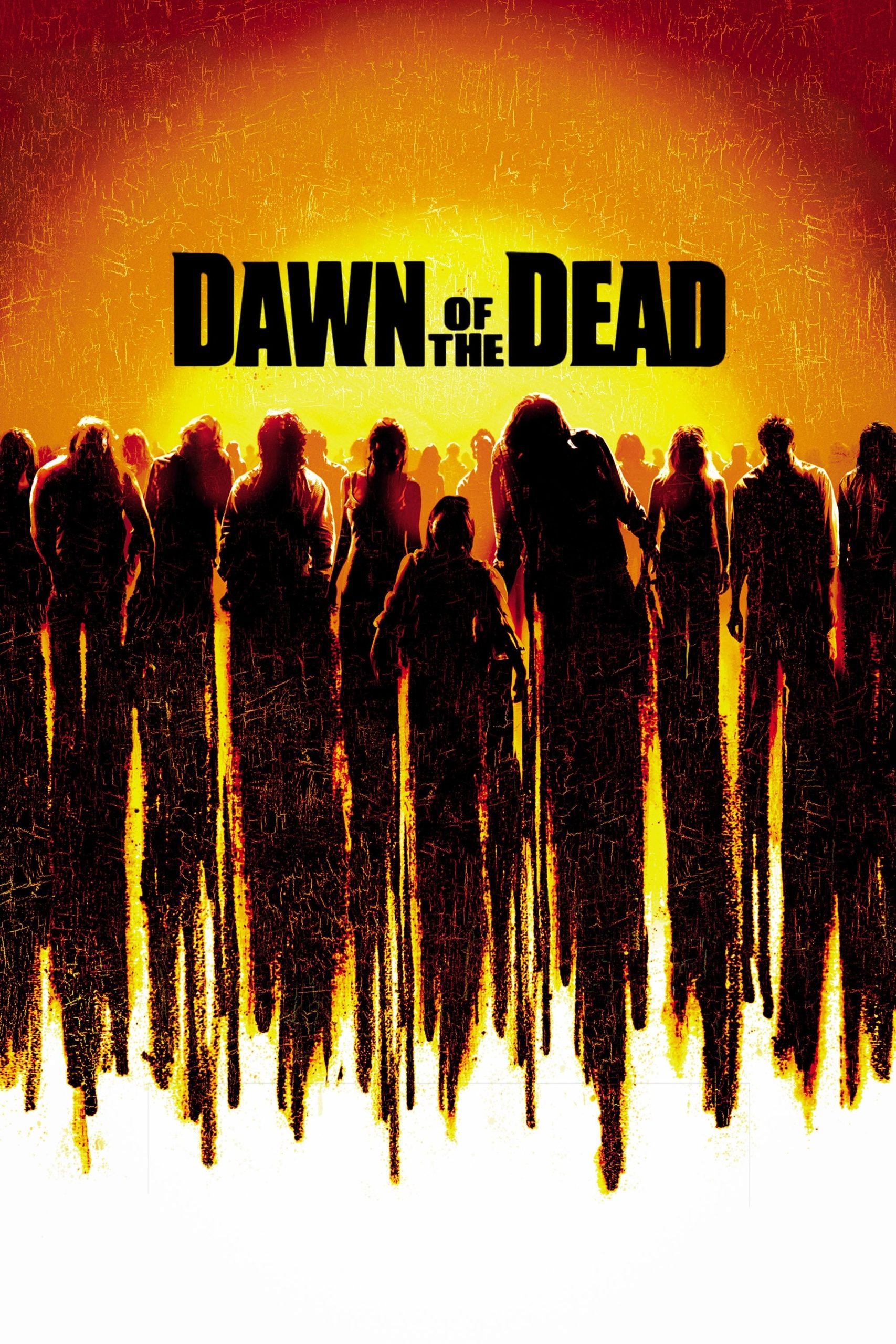
There’s a strange paradox that always pulls me back to George A. Romero’s 1978 “Dawn of the Dead.” As a teenager discovering horror, I was equally terrified and transfixed, but it wasn’t the gore that haunted me—it was the unnerving calm inside the mall and the sense that civilization, even in its ruins, was performing a grotesque pantomime of routine. Encountering this film for the first time was less like watching a story unfold and more like being infected by its worldview; the absurdity and horror at its core felt like an x-ray of late-20th-century malaise. Even now, each rewatch reveals new layers, new anxieties, new ways that consumerism and dread entwine. I cannot think about “zombie movies” without reckoning with how profoundly this one set the terms.
What the Film Is About
At its heart, “Dawn of the Dead” is a study in survival and isolation, set against the collapse of societal order. Romero’s characters—a quartet of desperate survivors—find fragile sanctuary in a shopping mall as the world around them succumbs to the undead. The conflict on screen isn’t merely man-versus-zombie; it’s a battle over what it means to carry on when the rituals and comforts of daily life have become bizarre, even obscene. The shopping mall isn’t just shelter; it’s a character itself, a vast fluorescent tomb that offers both protection and a mirror to the emptiness gnawing at the film’s survivors. Their journey is not just about eluding death, but about confronting the echo of their former lives in the distorted funhouse mirror of consumerist America.
Emotional disintegration lies at the core of this film, more so than shock or violence. Each character’s confrontation with loss—of loved ones, of structure, of hope—registers in their interactions, their withdrawal from meaning, and the futility of their attempts to recreate “normalcy.” Watching them, I’m always struck by the way Romero captures the psychological toll inflicted by the end of the world—not only as horror but as a kind of existential erosion. The film wants us to consider not just how we survive, but what’s left within us once we do.
Core Themes
One of the film’s most enduring themes is the critique of consumer culture. While surface-level readings focus on zombies staggering through the mall, what resonates more deeply with me is the way Romero transforms the act of shopping into a silent, unbreakable ritual—even after death. In 1978, when malls were cathedrals of American progress, this was a savage indictment: the living and the dead, equally driven to inhabit spaces designed for acquisition and distraction. Today, that theme feels almost prescient, given our digital marketplaces and the omnipresence of consumer branding.
Another key theme is the illusion of safety. The mall symbolizes control—a space the survivors believe they can dominate and mold to their needs. But, as the film methodically demonstrates, the veneer of security is always thin; internal divisions and external threats inevitably undermine their attempts to create a private oasis. This theme—security as both necessity and delusion—echoes in every era where overwhelming crises force us to build psychic or physical walls. Romero’s lens is merciless but not unfeeling; the grim logic of his apocalypse is that no sanctuary is ever truly safe from ourselves or others.
Finally, I’m consistently moved by the exploration of collective versus individual identity. The band of survivors is never a true community—they are four individuals, each defined by separateness, by secrets, by refusal to connect deeply with one another. The zombies’ endless, mindless herding ironically feels more unified than the fragile bonds of the living. There’s a painful truth here about the limits of empathy under pressure, the way traumatic events splinter us inward when we might hope for solidarity.
Symbolism & Motifs
For me, the mall itself is the grand, overwhelming symbol. Its glass storefronts and endless corridors become a mausoleum of both capitalist ambition and failed comfort. I can never shake the image of zombies pressing their faces against the glass, as though consumption is a force not even death can dispel. The mannequins, the escalators looping endlessly, the automated music—all serve as motifs of repetition, emphasizing the hollowness of the American Dream in crisis.
The color palette and staging convey deeper symbols: Romero’s frequent use of saturated reds and blues doesn’t just heighten the lurid violence, it marks the boundary between human spaces and the encroaching domain of death. The filmmakers’ practical effects—exaggerated blood, cartoonishly gruesome makeup—are often cited as camp or excess, but to me, they operate symbolically: lifeblood becomes a gaudy prop, further reducing death to spectacle and commerce.
Recurring motifs of doors, windows, and barriers reinforce the illusion of protection versus openness. The survivors spend much of the film fortifying entrances, closing off windows, locking doors—always with the sense that no matter what they do, the outside will swallow the inside. I see every boarded-up entrance as a metaphor for repression, an effort to keep trauma at bay, only to have it repeatedly, devastatingly break through.
Key Scenes
A Claustrophobic Escape: Helicopter Dawn
The opening sequence, as the helicopter whisks the survivors away from a city in chaos, is not just a technical masterstroke—its shallow focus and frantic pacing instantly pull me into a landscape of overwhelming uncertainty. This scene establishes the scale of collapse and the characters’ desperate refusal to accept reality. Watching them ascend above city lights, I feel both a fleeting hope and a sense of futility; even from the sky, the horror below remains inescapable.
The Dead in Aisles: Zombies Roaming the Mall
Nothing captures Romero’s thesis more perfectly than the long, almost hypnotic sequences of zombies shuffling aimlessly around the mall. These scenes are critical because they linger on undead consumerism, rendering familiar environments—department stores, fountains, food courts—strange and threatening. Every time I revisit these moments, I see how the film implicates the viewer: am I watching horror, or am I glimpsing my own routines turned grotesque?
The Sanctuary Breached: The Marauder Assault
Later in the film, the carefully maintained fortress of the survivors is shattered by human raiders. This scene is both a literal and metaphorical breach: violence reasserts itself, exposing just how provisional the survivors’ safety was all along. The chaos, shot with handheld urgency, feels like the death throes of community—not just at the hands of zombies, but of other desperate people. For me, this is where the film’s true cynicism about human nature crystallizes.
Common Interpretations
Critical consensus often reduces “Dawn of the Dead” to an allegory on consumer culture, and certainly that’s the most widely cited reading. The visual gag of zombies haunting the mall, as though recall-driven back to their favorite hangout, is too glaring to ignore. Many scholars and critics also position it as the central text in the evolution of the modern zombie and a sly satire of 1970s America’s malaise.
But I’ve always felt that focusing solely on the satire sells the film short. Romero isn’t just lampooning consumerism; he’s plumbing an existential hollowness—the sense that, at our core, when structure collapses, what remains is often ritual, repetition, and longing for comfort, no matter how empty. Where others see a cultural critique, I see a psychological diagnosis: an examination of denial, retreat, and the ways we’ll try to play-act normalcy at the edge of extinction. Critics rarely give enough weight to the film’s existential dread, mistaking its dark humor and excess for camp. To me, it’s exactly that mix of laughter and horror that makes “Dawn of the Dead” so enduring and disturbing.
Films with Similar Themes
- Invasion of the Body Snatchers (1978): Both films unravel anxieties around conformity, identity, and a society succumbing to mindless routine.
- They Live (1988): John Carpenter channels similar critiques on consumer culture and the hidden manipulations that underlie social order.
- 28 Days Later (2002): A modern existential horror that examines isolation, breakdown of norms, and what survival looks like post-apocalypse.
- The Mist (2007): Frank Darabont’s adaptation shares the exploration of fear, group dynamics under pressure, and the fragility of civilization.
Conclusion
I believe “Dawn of the Dead” demands to be watched not as a museum piece or a foundation of the zombie genre, but as an urgent and living text—a reflection of anxieties that still reverberate today. The unease it uncovers about safety, consumerism, and the frailty of human bonds feels more timely than ever, especially when our own world teeters between crisis and escape. For any viewer willing to look beyond latex and viscera, this is a film about the ghosts of comfort and the ache of survival. The more deeply its themes are understood, the more it rewards with clarity—sometimes terrifying, sometimes sobering, always revealing.
Related Reviews
If you found value in my perspective, you might also enjoy exploring my thoughts on other cinematic landmarks such as Invasion of the Body Snatchers (1978) and They Live (1988).
To broaden this interpretation, you may also explore how critics and audiences responded over time.
🎬 Check out today's best-selling movies on Amazon!
View Deals on Amazon