
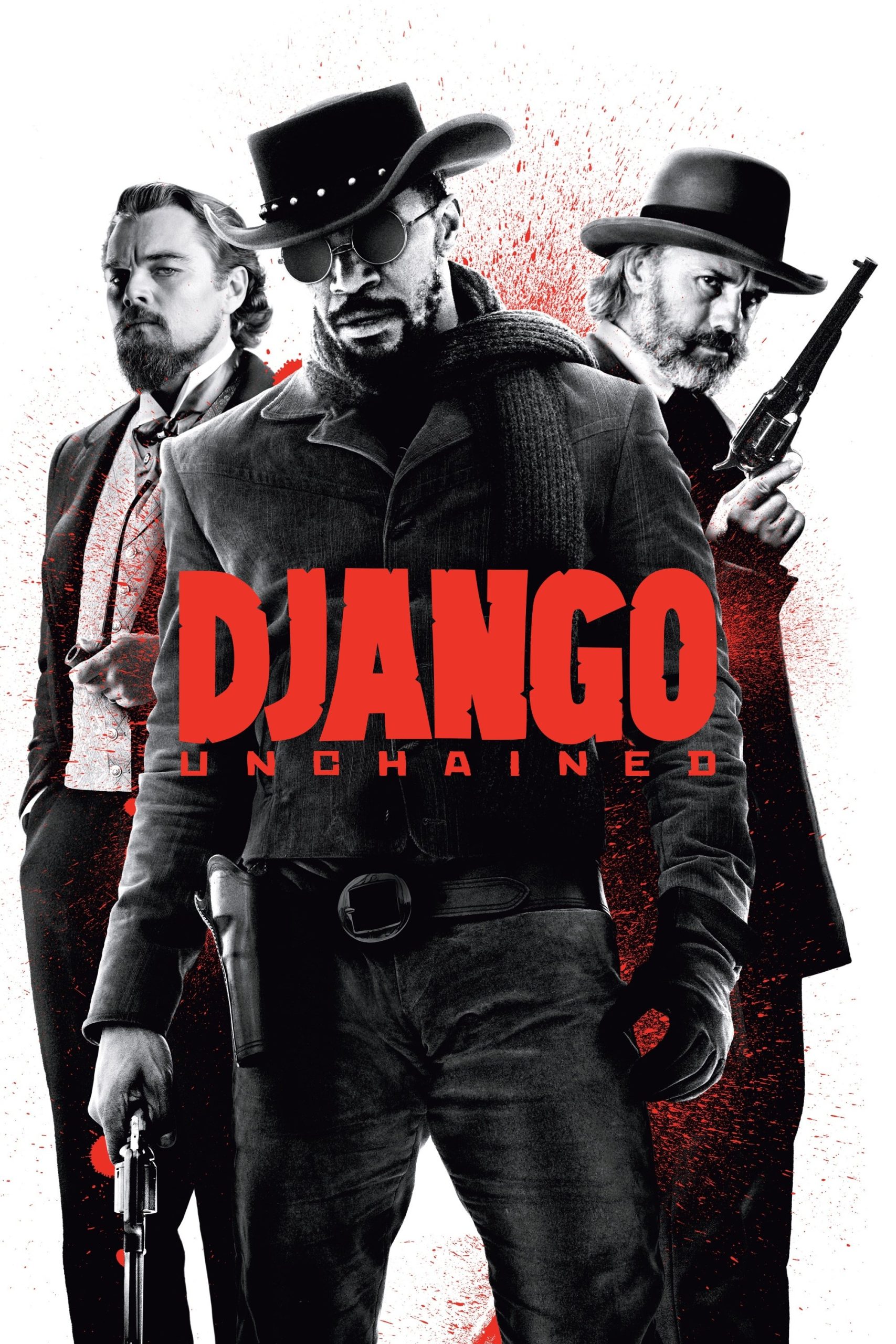
My first encounter with “Django Unchained” wasn’t planned. I stumbled upon it while channel surfing during a particularly cold winter night, and within minutes, I was transfixed, coffee cooling beside me, forgotten. What initially drew me in wasn’t just the electric violence or Quentin Tarantino’s signature bravado, but the film’s slippery, exhilarating tension between pulp stylization and raw historical confrontation. Every time I revisit “Django Unchained,” I’m pulled deeper into its unflinching, often uncomfortable, interrogation of American mythology. For me, it’s the audacity of its storytelling that lingers — not just what it dares to show, but what it compels me to feel.
What the Film Is About
There’s a defiant pulse running through “Django Unchained”—it’s not simply a tale of revenge, but a cinematic rebellion against sanitized versions of America’s past. The film tells the story of Django, a slave-turned-bounty-hunter who sets out to rescue his wife, Broomhilda, from the clutches of a monstrously charismatic plantation owner. But at its core, the journey is not just Django’s. It’s also an odyssey through the dark, blood-soaked corridors of history, a descent into cruelty and a celebration of hard-won agency.
What stands out to me is the film’s willingness to force viewers into uncomfortable proximity with systemic evil. Tarantino doesn’t just caricature racism; he weaponizes it, using it as an omnipresent force that oppresses, distorts, and occasionally destroys. The central conflict is a man’s drive to assert his humanity in a world engineered to deny it. Each alliance and confrontation — especially the uneasy partnership between Django and the German bounty hunter King Schultz — bristles with stakes far beyond personal vendetta. The emotional journey becomes a meditation on how violence can both disfigure and redeem, and on the cost of asserting identity amid dehumanization.
Core Themes
Django’s story is constructed atop layered themes, but what resonates with me most is the struggle for self-definition in a society built on systematic erasure. Django is not meant to have agency—he’s meant to exist as property, invisible history. The act of reclaiming both his name and his autonomy is an act of fiction that burns with real-world rage. When I watch his arc, I see a film grappling with the question: Can justice survive, or even manifest, in a world built through injustice?
For audiences in 2012, amidst the visible resurgence of racial tensions in America, the film’s raw confrontation with slavery felt both timely and necessary. The Western genre has so often mythologized American violence and erased Black experience, but “Django Unchained” refuses comfort—it weaponizes genre, using the language of pulp adventure to indict and scar. The theme of power—who wields it, who is denied it, and what it takes to seize it back—remains as urgent today as it did over a decade ago. In a present still wrestling with racial reckoning, Django’s pursuit reverberates.
Symbolism & Motifs
I am struck each time by Tarantino’s intricate wrangling of recurring imagery. From the flash of Django’s chains at the start to the legend-invoking blue suit he wears at his first act of liberation, the film abounds in visual metaphors of bondage and autonomy. The physical chains function not simply as a plot device, but as a persistent emblem of America’s original sin—even as Django shatters them, the legacy of violence persists in the landscape, characters, and even in the uneasy humor woven through the story.
Another motif I find central is the role of performance—both Django and Schultz are constantly forced to wear metaphorical (and sometimes literal) masks to manipulate their captors and prey. This idea circles back to the film’s concern with authentic versus imposed identity. Cappuccino smoothness hides Schultz’s own complicated relationship with violence and justice; the Southern gentlemen hide their brutality behind a veneer of manners. Tarantino’s close-ups on eyes, hands, and blood serve to anchor these symbolic battles, grounding them in the tactile and the immediate, always circling back to the body as a site of history and transformation.
Key Scenes
Gunfire and Liberation: The Opening Chain-Break
What electrifies me in the opening sequence is not just Django’s literal shattering of iron, but the way the camera lingers on his uncertain steps into autonomy. This moment is more than spectacle—it is the birthcry of individual will suppressed for centuries. Watching Django take his first uncertain steps was, for me, like seeing history itself approach a crossroads: pain in the past, freedom ahead, uncertainty burning in between.
Table Talk at Candyland: Dinner with the Devil
The dinner scene at Calvin Candie’s plantation stands as the film’s true emotional nucleus. Tarantino carefully arranges all players—Django, Schultz, Stephen, Broomhilda, Candie—at a single table. It’s a tense ballet of power and threat, each word and gesture loaded with coded meaning. For me, what’s crucial is the way civility exists only as a mask for violence. The suspense here is a slow poison: the heroes are never in more danger than when they are forced to pretend at normalcy within a system that would destroy them.
Finale of Fire and Reckoning: The Blood-Soaked Confrontation
The last act—Django’s return for vengeance—plays out with operatic violence. I always read this as catharsis both earned and complicated. Tarantino’s explosion of blood and gunfire isn’t pure triumph; it’s laced with the knowledge that violence leaves marks even when it delivers justice. The image of Django riding away, the plantation in ruins behind him, captures for me the impossible notion that a single heroic act can undo systemic rot—and yet, the catharsis is necessary, cleansing, complicated.
Common Interpretations
The bulk of criticism I’ve read cleaves along familiar lines: “Django Unchained” as revisionist revenge fantasy, a subversion of the Western and an indictment of historical amnesia. For many, it’s a film as much about Tarantino’s cinephilia as it is about race, violence, and history, lauded for its bravura performances and transgressive style. Some critics, however, find it uncomfortably cartoonish, arguing that its stylized excess undercuts its seriousness, reducing atrocity to entertainment.
I see those arguments, but what presses on me isn’t just the tension between style and seriousness. What I find unique is Tarantino’s insistence that reckoning with evil can be feverishly entertaining and deeply uncomfortable, even at once. I don’t see this as a flaw—I see it as a provocation. The film’s willingness to court discomfort is, for me, essential: it keeps the viewer off-balance, forced to engage with horrors that history would rather neutralize. Tarantino’s vision is messier, angrier, more unresolved than most readings allow, and that’s precisely why it endures in my mind.
Films with Similar Themes
- 12 Years a Slave (2013): Like “Django Unchained,” this film fixes its gaze on the individual experience of slavery and survival, offering a sobering, historical counterpoint to Tarantino’s pulp stylings.
- Inglourious Basterds (2009): Another Tarantino work, with a focus on revenge and rewriting historical trauma through genre spectacle, exploring power, violence, and identity.
- Blazing Saddles (1974): Mel Brooks’s satirical Western uses comedy to interrogate racism and deconstruct American mythos, connecting in spirit to Tarantino’s irreverence.
- Do the Right Thing (1989): While set in modern Brooklyn, Spike Lee’s film tackles race, power, and violence with a similarly audacious, uncompromising approach, demanding viewers confront historical tensions in the present.
Conclusion
Watching “Django Unchained” today means facing the riotous spectacle of pulp vengeance in tandem with a sincere engagement with history. Tarantino’s film refuses to let viewers detach from the violence that built the world Django rides through. For those willing to wrestle with its discomforts, there’s a reward: a deeper sense of cinema’s power to both reflect and challenge cultural memory. It’s never comfortable, but for me, it’s essential viewing for anyone seeking to understand how film can serve as both entertainment and reckoning.
Related Reviews
If you found value in my perspective, you might also enjoy exploring my thoughts on other cinematic landmarks such as 12 Years a Slave and Inglourious Basterds.
To broaden this interpretation, you may also explore how critics and audiences responded over time.
🎬 Check out today's best-selling movies on Amazon!
View Deals on Amazon