
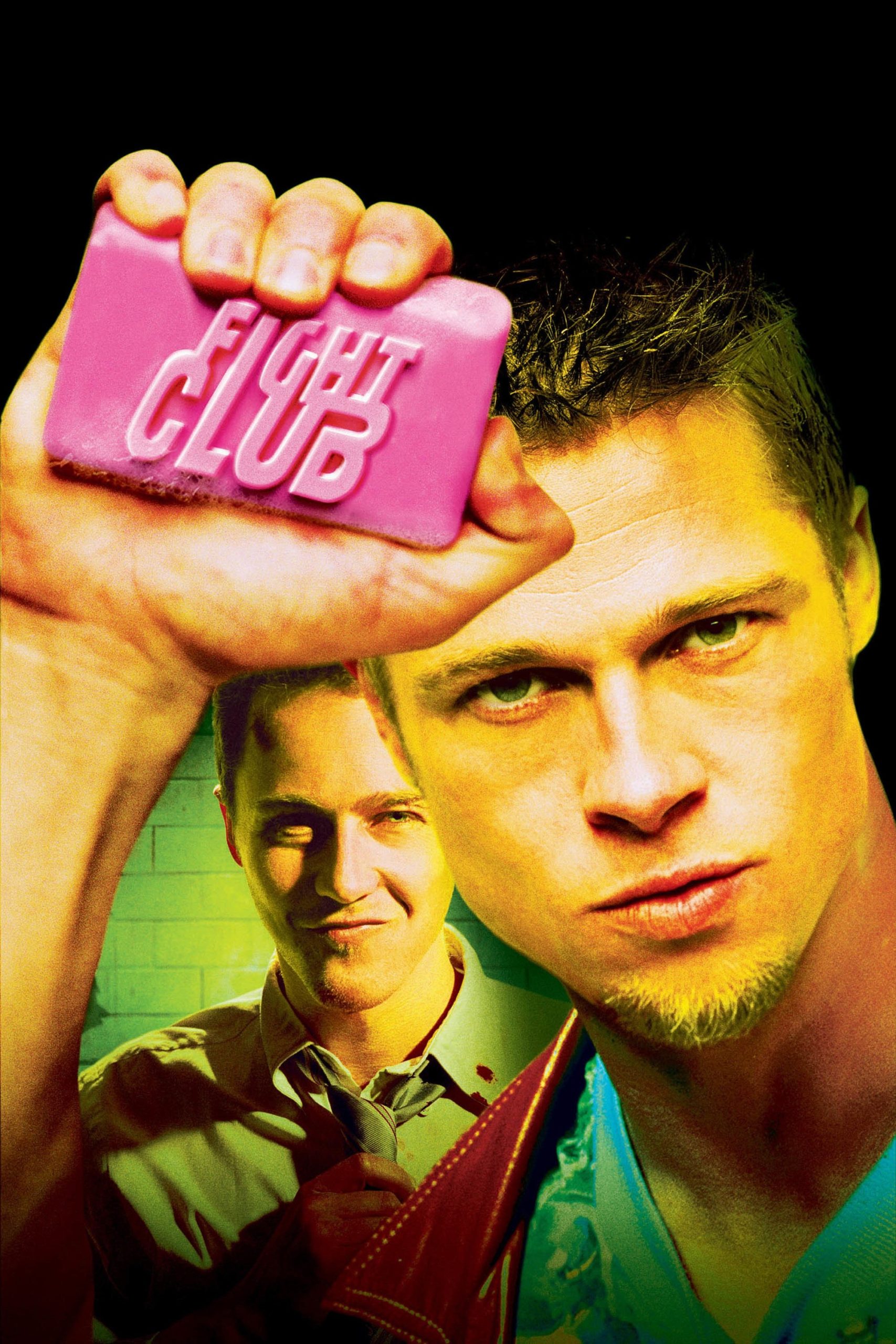
I Couldn’t Breathe Until I Destroyed Everything
The first time I watched “Fight Club,” I felt something in my chest tighten that didn’t quite loosen until the credits rolled. It’s not a movie that lets you stay comfortable. When I look at the film now, years later, I see less about violence or chaos and more about a suffocating desperation that creeps into the bones of modern life, gnawing from the inside out. “Fight Club” lures you in with the promise of rebellion but ends up forcing you to confront the emptiness at the core of your own identity. It’s a film about needing to tear down everything—comfort, self-image, society’s expectations—just to find a gasp of meaning in a world that feels dead on arrival.
Cracking the Shell of the Everyday Man
What hits me hardest each time are the opening minutes: insomnia hums beneath fluorescent lights, and Edward Norton’s unnamed narrator floats like a ghost through IKEA catalogs and support groups meant for other people’s suffering. This isn’t a story about a man going mad—it’s about a man who’s already lost and numb, desperate for anything that feels real, even pain. I find myself staring at the Narrator’s empty apartment, stacked with perfect consumer goods, and recognizing the spell we’ve all been under. Chuck Palahniuk’s source material pulses through the scenes—a rage against the narcotized slumber of affluence, the self-medication with things instead of feelings. When Tyler Durden finally crashes into the Narrator’s world, it’s not so much an invasion as an exorcism.
Tyler Durden: The Specter of Repressed Aggression
Brad Pitt’s Tyler isn’t just a figment—he’s every suppressed urge, every stifled scream, every fantasy of tearing up the cubicle, of leaving polite society in ruins. Tyler is the shadow self, unbound. Watching the Narrator and Tyler together, I recognize the intoxicating energy that comes from saying “no”—no to bosses, no to brands, no to the polished shell of masculinity that leaves nothing underneath. The film never lets Tyler become a simple hero or villain. He’s magnetic and repellent, seductive and horrifying. I see him as the inevitable product of a culture that tells men to repress, repress, repress—until they rupture.
Breaking Bodies to Reclaim Souls
Nothing in “Fight Club” is straightforward, least of all the violence. People always ask: does the film glorify fighting? For me, the answer is more complicated. The fights are rituals, desperate attempts to feel alive in a world that’s anesthetized every nerve. Blood and bruises are the only way these men know how to claw back a sense of agency. The club isn’t about hate; it’s about connection—brutal, honest, fleetingly intimate. Every guttural punch exposes the rawness beneath performance and routine. The violence becomes a twisted prayer, a plea for authenticity amid the numbness.
Marla Singer: Chaos in Human Form
Helena Bonham Carter’s Marla is the perfect disruption. She’s a threat, a challenge, and, paradoxically, a lifeline. I find myself drawn to her ruinous glamour—she’s already what the men in Fight Club are trying to become: someone who doesn’t care anymore, who’s let everything fall apart. Marla is the mirror the Narrator can’t stand to look at, the proof that realness is messy and survival is ugly. Her presence undoes Tyler’s rules and destabilizes the whole system. She’s the only thing in the film that feels honest, and the Narrator both loves and fears her for it.
Consumerism’s Death Grip
There’s a reason I can’t laugh at the IKEA catalogs or the single-serving friends on airplanes. “Fight Club” attacks consumer culture with a ferocity I rarely see elsewhere. The film’s satire lands precisely because it never feels academic or distant—it’s personal, suffocating, bitterly funny. What’s being destroyed isn’t just products, but the idea that we can curate our identities through what we buy. When Tyler spits out, “The things you own end up owning you,” it’s less a mantra than a diagnosis. I feel it every time I glimpse the Narrator’s shell of a life: tastefully decorated, utterly vacant.
The Lure and Horror of Annihilation
I can’t ignore how seductive the film makes destruction seem. There’s a thrill in watching Project Mayhem escalate, in contemplating the purity of starting over from ground zero. But every time I get swept up in the fantasy, the film pulls back the curtain to reveal the terror underneath. The urge to destroy isn’t a cure; it’s another trap. As the Narrator’s psyche spirals and the cost of Tyler’s revolution mounts, I feel the exhaustion of nihilism. “Fight Club” never quite lets you land on one side or the other—it’s always a double-edged sword.
Identity Fractured, Identity Forged
The twist—if it’s still a twist after all these years—lands with more tragedy than shock. The Narrator was always fighting himself, and in doing so, he almost destroyed what little of himself was left. I think about how easy it is to get lost in rebellion for its own sake, to confuse destruction with creation. The film’s most haunting question is whether it’s possible to rebuild after burning everything to the ground. The answer seems to lie in the final moments: connection with another person, the willingness to be seen, even in all your brokenness.
Freedom’s Price: The Cost of Waking Up
I keep returning to the film’s final shot: hand in hand, staring out at collapsing towers while “Where Is My Mind?” soars. For me, “Fight Club” is ultimately about awakening—painful, shattering, but necessary. There’s no comfort in this awakening. The world is still chaotic, and the self is still fractured, but there’s a glimmer of truth in the ruins. That’s what I take away each time: to feel alive, we sometimes have to break ourselves open and let the darkness in, if only to finally glimpse the light struggling through.
If This Film Shook You Awake, Try These
If the fever dream of “Fight Club” lingered with you, I suggest searching out these two classic films:
- Taxi Driver
- A Clockwork Orange
If you’re curious about how this film was originally perceived or how it compares to similar works of its era, these resources may be helpful.
🎬 Check out today's best-selling movies on Amazon!
View Deals on Amazon