
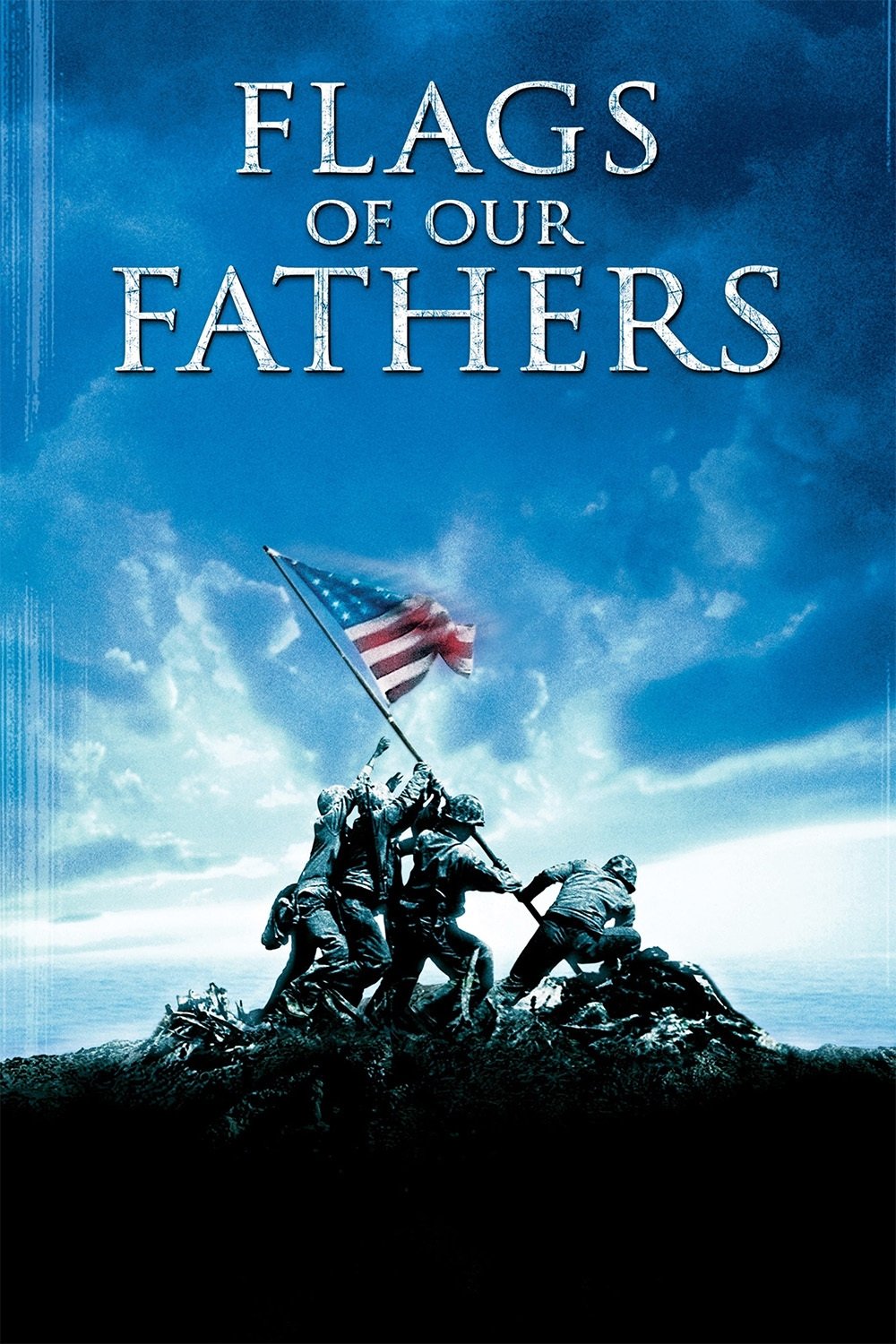
I remember the first time I encountered the famous photograph of the flag-raising on Iwo Jima. It was plastered in textbooks and documentaries, an uncomplicated image of victory. When I watched “Flags of Our Fathers,” I discovered how little that image tells us about what truly happened—not just on the battlefield, but within the minds and souls of the men who made it iconic. This film drew me in not as a typical war movie, but as a mesmerizing meditation on memory, myth, and the toll of heroism, compelling me to confront my own assumptions about history and the cost of patriotism.
The Emotional Odyssey at the Film’s Core
For me, “Flags of Our Fathers” is less a chronicle of combat and more an interrogation of what it costs to be remembered as a hero. The film follows three survivors from the flag-raising—John Bradley, Rene Gagnon, and Ira Hayes—plucked from unimaginable carnage and thrust into the glare of America’s war bond drive. The emotional core is defined by their struggle to reconcile the ugly realities of war with their newfound roles as symbols of national hope.
The heart of the film beats in the spaces between action—nights haunted by trauma, public celebrations that feel hollow, and the way these men try to find meaning in their suffering. I found the film’s conflict was never truly among nations, but internal: the battle between what is real and what is needed for public consumption. Each character, especially Ira Hayes, embodies the dissonance between being a living, flawed human and a national idol. It’s their emotional burden, not their physical wounds, that cuts deepest.
Under the Surface: What the Film Grapples With
The most significant theme for me is the construction and commodification of heroism. I see the film as an indictment of how societies desperately seek symbols, often at the expense of the actual individuals involved. It’s a painful transparency: public adulation does not heal private pain. The film masterfully exposes the machinery behind myth-making—the calculated decision to send the flag-raisers home, the use of their image as a fundraising commodity, and the way their personal truths are submerged beneath collective needs.
Looking back to 2006 and even more so today, I believe the film’s relevance lies in its depiction of the disconnection between image and reality. In an era oversaturated with curated narratives and social media personas, the dilemma facing Bradley, Gagnon, and Hayes feels alarmingly contemporary. Their experience is a warning against the ease with which society embraces uncomplicated stories while ignoring the agony beneath. For veterans and civilians alike, the film remains a piercing reminder: true heroism is far messier and more debilitating than the stories we tell ourselves.
Icons and Echoes: The Film’s Symbolic Vocabulary
Clint Eastwood, in my opinion, wields symbolism with surgical precision in “Flags of Our Fathers.” The most obvious motif, of course, is the American flag itself. It is transformed from a mere banner to a potent, multi-layered object. The first hasty flag (taken down and replaced) and the second (the subject of the photograph) highlight the arbitrariness of what becomes historical—and reinforce the idea that “heroes” may be determined more by timing than actual deeds.
Another recurring motif that left an impression on me is the parade of flashbulbs and media attention. The scenes of the bond tour, with their cacophony of applause and artificiality, mirror the chaos of war in a different register—a bombardment of attention that is just as overwhelming, and perhaps just as damaging, as combat. In quieter scenes, water (rain, the ocean, tears) flows through the film as both a cleansing agent and a reminder of trauma’s persistence—never entirely washing away the traces of what has been done and seen.
Pivotal Moments That Changed My Perspective
The Vicious Reality of the Battlefield
The depiction of the initial landings on Iwo Jima stands apart as a visceral jolt. In this crucible, the glamour and glory sapped from textbook accounts are replaced with dizzying chaos, brutality, and the terrible anonymity of death. I recall being shaken by the unvarnished violence—young men torn apart, stripped of their individuality—the antithesis of hero-making. This sequence sets the emotional stakes, underscoring that the image of the flag is built on the suffering of hundreds whose names will never be celebrated.
On Stage: The War Bonds Tour
Another essential moment comes when the survivors are paraded at a Chicago stadium to whip up support for war bonds. The spectacle is lurid in its disconnect from reality: the crowd cheers, confetti falls, and a facsimile of Mt. Suribachi is constructed for dramatic reenactment. Yet the men are broken, their smiles forced. For me, the moment the men cannot bring themselves to recreate the photograph without betraying all they lost is where the film delivers its sharpest critique of American myth-making.
Ira’s Silent Collapse
The third transformative scene for me is one of the quietest: Ira Hayes, already undone by survivor’s guilt and racism, succumbs to alcoholism after being rejected by the country he served. Watching him, alienated and ignored as the national story moves on, I was forced to acknowledge the true cost of symbolic heroism and the absolute failure of public gratitude to heal invisible wounds. This sequence is not merely heartbreaking—it’s accusatory, forcing us to confront the limits of national memory and the persistence of trauma once the parades are over.
Diverging from the Critical Chorus
There is no shortage of interpretations around “Flags of Our Fathers.” Critics often see it—sometimes simplistically—as an “anti-war” film, or a companion piece to Eastwood’s “Letters from Iwo Jima.” The consensus tends to praise its technical achievements and its interrogation of myth, but some accuse it of being emotionally detached, or too scattershot in narrative focus.
My perspective diverges on this point. While many focus on the historical critique, I experience the film above all as an intimate tragedy. It’s not just a commentary on the machinery of propaganda, but a study in the estrangement that follows when ordinary people become unwilling emblems. Where others see detachment, I see restraint and respect for how trauma resists simple depiction. The film’s refusal to provide comfort or catharsis feels not like a flaw, but a mark of honesty.
Cinematic Cousins: Works that Mirror Eastwood’s Vision
- Saving Private Ryan – Like “Flags of Our Fathers,” Spielberg’s masterpiece foregrounds the cost of war on those who survive, and the burden of myth-making on memory.
- The Thin Red Line – Malick’s film echoes the existential dread and focus on the inner lives of soldiers, contrasting public narratives with private suffering.
- The Best Years of Our Lives – This postwar classic similarly explores the difficulty veterans face when reconciling public adulation with personal demons after returning home.
- Full Metal Jacket – Kubrick’s relentless film critiques the stripping of individuality in wartime, paralleling Eastwood’s examination of how young men become instruments of national need rather than real people.
Drawing It Together: Why the Film Matters Now
It’s easy to consume a photograph and believe it tells the whole story. What “Flags of Our Fathers” taught me—and why I insist on returning to it—is that history’s celebrated images can rarely bear the full weight of truth. This film asks modern viewers to look beyond the ideal, to question their own role in clinging to comforting myths, and to recognize the pain lurking behind the mask of heroism. For those willing to see with new eyes, it offers not just a reappraisal of past wars, but a pressing challenge to the way we remember all acts of bravery, sacrifice, and suffering.
Related Reviews
If you found value in my perspective, you might also enjoy exploring my thoughts on other cinematic landmarks such as The Thin Red Line and The Best Years of Our Lives.
To broaden this interpretation, you may also explore how critics and audiences responded over time.
🎬 Check out today's best-selling movies on Amazon!
View Deals on Amazon