
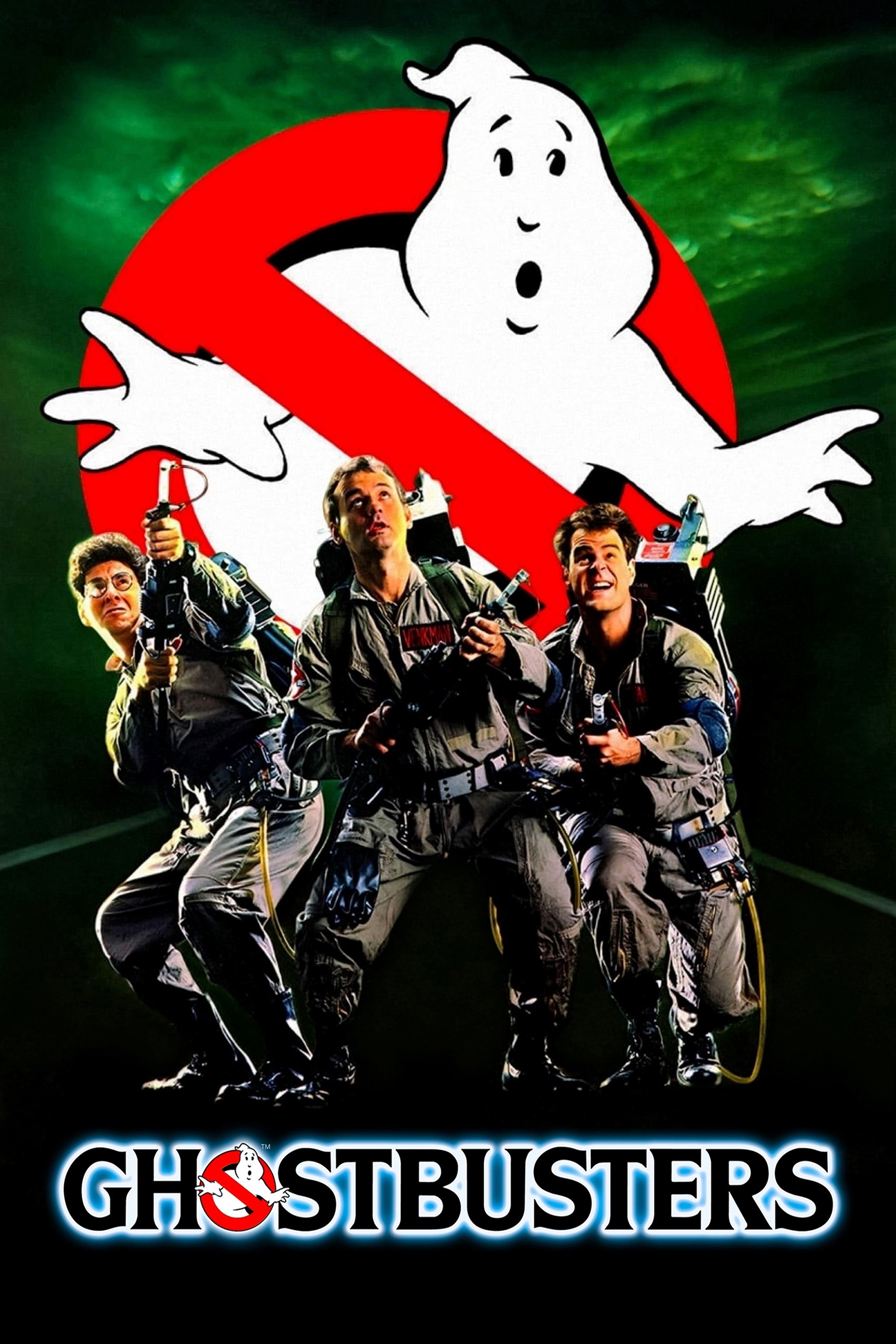
Spirited Laughter and the Specter of Anxiety
I can still remember the first time I watched “Ghostbusters”: the laughter came easy, the ghosts were just the right kind of cartoonish menace, but beneath that neon-lit comedy, I sensed something stranger, something almost subversive hiding in plain sight. This film may masquerade as a supernatural romp, but to me, it pulses with a sly critique of the era’s anxieties—personal, political, and existential. Underneath the jokes and proton packs, “Ghostbusters” asks: What are we so afraid of, and why do we insist on laughing at it?
Exorcising the Eighties: Hauntings as Cultural Baggage
New York City in “Ghostbusters” isn’t just a setting; it’s a crucible for collective neuroses. Every oozing spirit and shrieking librarian is a manifestation of the city’s hidden fears. There’s a reason the ghosts emerge from repositories of knowledge, corporate hotels, and public utilities—sites where culture, commerce, and bureaucracy collide. I see the film using the supernatural as a metaphor for the uncontrollable anxieties bubbling up in a society obsessed with progress, yet hounded by doubt. The city, so vibrant and alive, feels perpetually on edge, uncertain when the next slimy disaster will strike.
Entrepreneurship Versus the Establishment: Who You Gonna Call?
What fascinates me most is how the Ghostbusters themselves are cast as entrepreneurs—eccentrics who transform an academic pursuit into a scrappy small business. The film pokes fun at academia’s ivory towers, but it also targets government and bureaucracy, portraying them as either ineffectual or outright antagonistic. In this world, salvation comes from risk-takers and oddballs, never from the system itself. When the EPA tries to shut down the containment grid, it isn’t merely an obstacle; it’s a stand-in for all the ways institutions fail to address real, messy problems. “Ghostbusters” feels like a love letter to the possibility that outsiders, armed with unorthodox tools, might still save the day.
The Specter of Masculinity: Power, Ego, and the Supernatural
Every time I revisit the film, I’m drawn to the way it satirizes traditional masculinity. Venkman’s smug charm, Ray’s boyish enthusiasm, Egon’s clinical detachment—they’re all flavors of male insecurity disguised as bravado. Their weapons are unwieldy phallic gadgets, their headquarters is an abandoned firehouse, and their mission revolves around controlling things that terrify them. There’s something deeply comic and subtly pointed about the way these men attempt to master the supernatural using nothing but bravado and a mish-mash of technology. “Ghostbusters” lets them be both heroic and ridiculous, exposing the limits of masculine solutions in the face of chaos.
Laughter as Exorcism: The Alchemy of Comedy and Horror
I’ve always been struck by the film’s tonal tightrope. Comedy and horror don’t merely coexist—they energize each other. The laughs diffuse the tension, but they also invite us to confront our fears in a way that feels safe, communal, and even cathartic. The Stay Puft Marshmallow Man is the ultimate expression of this alchemy: a childhood mascot transformed into a city-crushing giant. In this moment, the absurdity of fear is laid bare. The film isn’t saying that our demons aren’t real; it’s suggesting that humor is our best shot at taming them.
Invisible Enemies: Uncertainty and the Paranormal
The ghosts themselves may look silly, but they’re not the real threat. What truly haunts the characters—and by extension, the audience—is uncertainty itself. Every spook encountered is a reminder that the world is full of unseen forces, unpredictable eruptions, and limits to human knowledge. I find it telling that the Ghostbusters’ technology is temperamental and that their victories are always provisional. The film is honest about the chaos lurking beneath the surface of everyday life, even as it allows us to laugh in the face of it.
Social Satire in Slime and Spooks
I can’t help but notice how “Ghostbusters” takes playful jabs at everything from real estate woes (the firehouse’s comic inspection) to pop psychology (Dana’s possessed transformation). New York’s institutions—government, academia, commerce—are all targets of the film’s ghostly satire, but so are the vanities of urban life itself. There’s a subtle suggestion that perhaps everyone is just a little possessed: by ambition, by fear, by the past. The supernatural is a convenient scapegoat, but the real punchlines are aimed squarely at human foibles.
Faith in the Absurd: Choosing Your Own Demons
The film’s climax, with its “choose the form of the destructor” conceit, strikes me as brilliantly subversive. By forcing the characters to confront a threat conjured from their own imaginations, “Ghostbusters” exposes the way our fears are self-created, reflections of our quirks and vulnerabilities. There’s something liberating about this idea: if our monsters come from within, perhaps so do our tools for survival. The movie invites us to see the absurdity of our own anxieties and, in doing so, grants us power over them.
Why “Ghostbusters” Endures: Hope in the Face of the Unseen
After all these years, what makes “Ghostbusters” so endlessly rewatchable isn’t just its punchlines or special effects—it’s the underlying optimism. In a world teeming with invisible terrors, the film insists that ingenuity, friendship, and laughter are more potent than any proton pack. It’s a vision of hope that feels uniquely American, yet universally resonant. The ghosts may return, the system may crumble, but as long as we face the darkness together, cracking wise and refusing to give in, the city—and maybe the world—stands a chance.
For Fans of Haunted Humor and Urban Anxiety
Those who appreciate the mingling of comedy and supernatural dread in “Ghostbusters” might find kindred spirits in these two classic films:
- Beetlejuice (1988)
- The Apartment (1960)
If you’re curious about how this film was originally perceived or how it compares to similar works of its era, these resources may be helpful.
🎬 Check out today's best-selling movies on Amazon!
View Deals on Amazon