
Endless Mornings: My Personal Encounter with Phil’s Prison
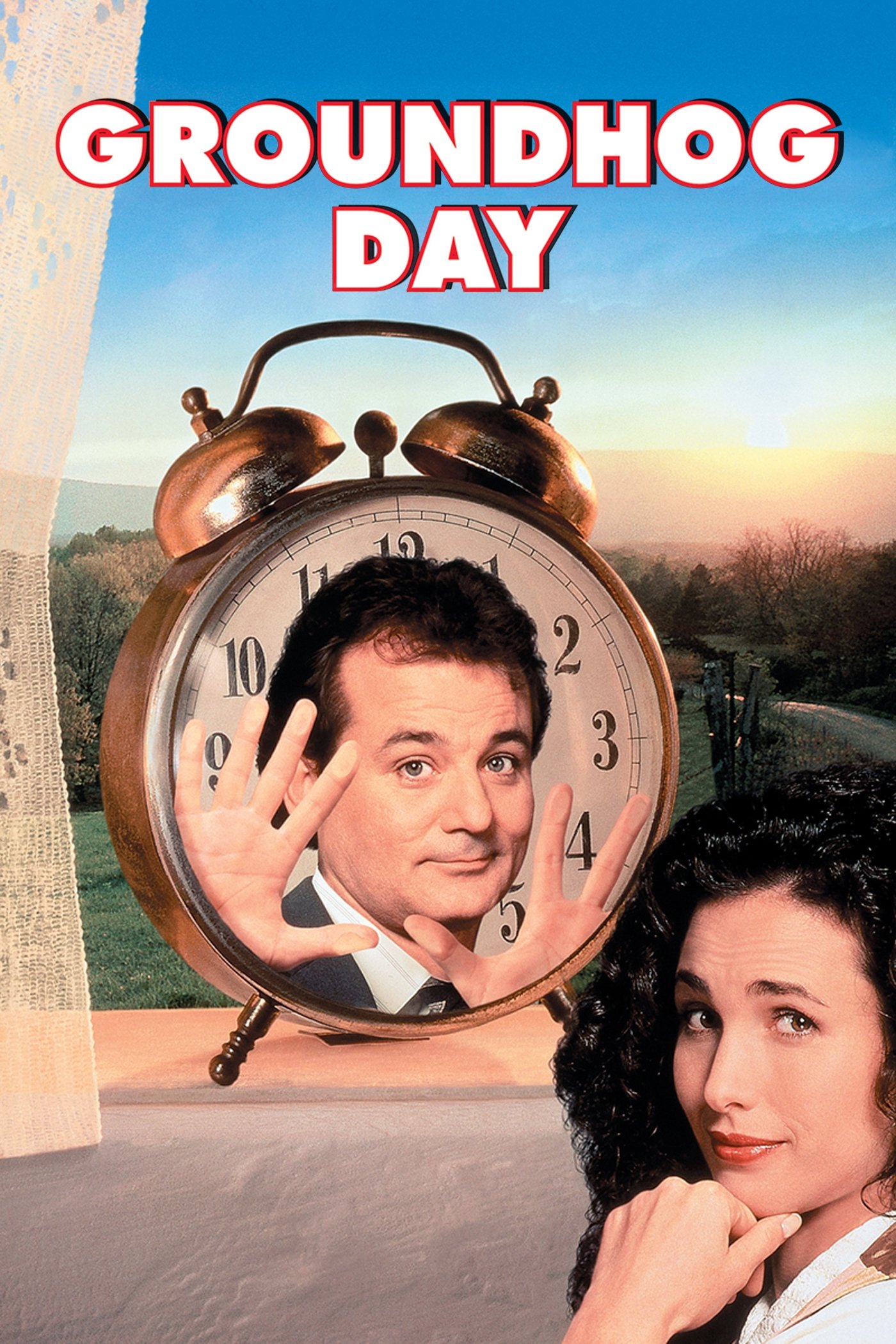
I’ll never forget the first time I watched Groundhog Day—the creeping, almost subconscious dread as Bill Murray’s Phil Connors realized he was trapped in a loop, and the uneasy laughter that came from recognizing a part of myself in his predicament. There was something both hilarious and quietly devastating about those endlessly repeated mornings in Punxsutawney. I wasn’t just watching a comedy about a man stuck in time—I was staring into a cinematic funhouse mirror that reflected my own struggles with meaning, monotony, and the longing for escape. For me, this film is a masterwork about the weight of routine, the ache of existential paralysis, and the unlikely paths that can lead us back to ourselves.
Why Laughter Hurts: The Sting Beneath the Comedy
What’s always struck me about Groundhog Day is its sly use of humor to disarm and expose. On one level, Phil’s repeated pratfalls and schemes are pure entertainment, but each gag is a thread in a much darker tapestry. I find myself laughing at Phil’s escalating frustration, but the laughter is tinged with the discomfort of recognition. This isn’t just a movie about a curmudgeon getting his just desserts; it’s a portrait of a man whose cynicism has become a cage, and whose worst punishment is having to live with himself, over and over. The repetition in the film is, for me, a metaphor for the way we become trapped by our own habits—unconscious patterns that only become visible once we’re forced to confront them in stark, unchanging light.
The Rituals That Bind Us
Every morning in Punxsutawney is the same, but Phil is not. I find it fascinating how the film uses ritual—the daily broadcast, the orchestrated festivities, the staged meteorological spectacle—as both a source of comfort and a symbol of suffocating stasis. The endless recurrence of Groundhog Day becomes a stand-in for all the ordinary, numbing routines that make up a life, and Phil’s attempts to break the cycle mirror our own desperate moves to reclaim agency in the face of repetition. What I see here is not just a critique of small-town monotony, but a recognition of how easy it is to become anesthetized to possibility by the predictable rhythms of existence.
Phil’s Descent: A Mirror for Despair
I’m haunted by the film’s refusal to shy away from the despair that comes with being trapped. Phil’s journey isn’t sanitized; he tries to numb himself with hedonism, then flirts with self-destruction. The darkness of these sequences is essential. The film is arguing, I think, that true transformation is impossible without first confronting the full dimension of our own emptiness. Phil’s repeated suicides aren’t merely played for laughs—they are a visual metaphor for the dead-end thinking that comes from believing one’s situation is hopeless. This is where the film’s heart is—and it’s a cold, lonely place most comedies would never dare visit.
Redemption as Repetition: The Subtle Theology of Change
Every time I revisit Groundhog Day, I’m struck by how it explores the possibility of change not as a single act, but as a painstaking process. There’s no lightning bolt, no sudden epiphany that frees Phil. Instead, the film insists that redemption is the product of countless, often invisible choices. The very structure of the narrative—one day relived thousands of times—becomes a metaphor for spiritual growth, suggesting that transformation is built on the foundation of habit, repetition, and incremental self-overcoming. For me, this elevates the film beyond its comedic trappings, placing it in dialogue with the deepest questions of moral and existential philosophy.
A Town as a Philosopher’s Labyrinth
Punxsutawney is more than a setting; it’s a crucible. The town’s quirky denizens, from the irritating insurance salesman to the kind-hearted innkeeper, are not just comic relief—they are surfaces upon which Phil’s evolving self is reflected and tested. As Phil moves from manipulating those around him to genuinely connecting, the film explores what it means to see others as real, autonomous beings, rather than props in our own dramas. I’ve always been moved by how the narrative gradually imparts dignity to every minor character, making the town itself a stage for Phil’s ethical education. It’s a subtle, but radical, assertion of the interconnectedness of all lives—no act of kindness is wasted in this world.
Time as Punishment, Time as Gift
No other comedy has made me think so deeply about the nature of time. The double-edged sword of Phil’s predicament is that he has all the time in the world, but it’s also meaningless—until he finds a way to invest it with meaning. The endless day is both a curse and, eventually, a gift. It’s only through the pain of repetition that Phil discovers the freedom to reinvent himself, to create purpose where none is given. The film, for me, is a meditation on mortality disguised as a romantic comedy—every repeated day is a rehearsal for death, every act of kindness a small act of resurrection.
A Personal Reawakening
I can’t help but see Groundhog Day as a film that rewards the viewer’s own attention to repetition. Each time I watch, new layers emerge—the quiet moment when Phil learns to play piano, the subtle shifts in his interactions, the way winter itself seems to thaw as he does. This is a movie about the small, often invisible choices that add up to a meaningful life, and about the courage it takes to keep making those choices even when nothing seems to change. When Phil finally wakes up to a new day, it never feels miraculous to me—it feels earned, the result of a thousand humble acts of selflessness and insight. That’s a kind of magic no special effect could capture.
If This Moved You, Try These
If the philosophical humor and existential warmth of Groundhog Day resonate with you, I’d suggest seeking out It’s a Wonderful Life and Ikiru. Both films turn the spotlight inward, asking what it means to matter—to ourselves, and to the world around us.
If you’re curious about how this film was originally perceived or how it compares to similar works of its era, these resources may be helpful.
🎬 Check out today's best-selling movies on Amazon!
View Deals on Amazon