
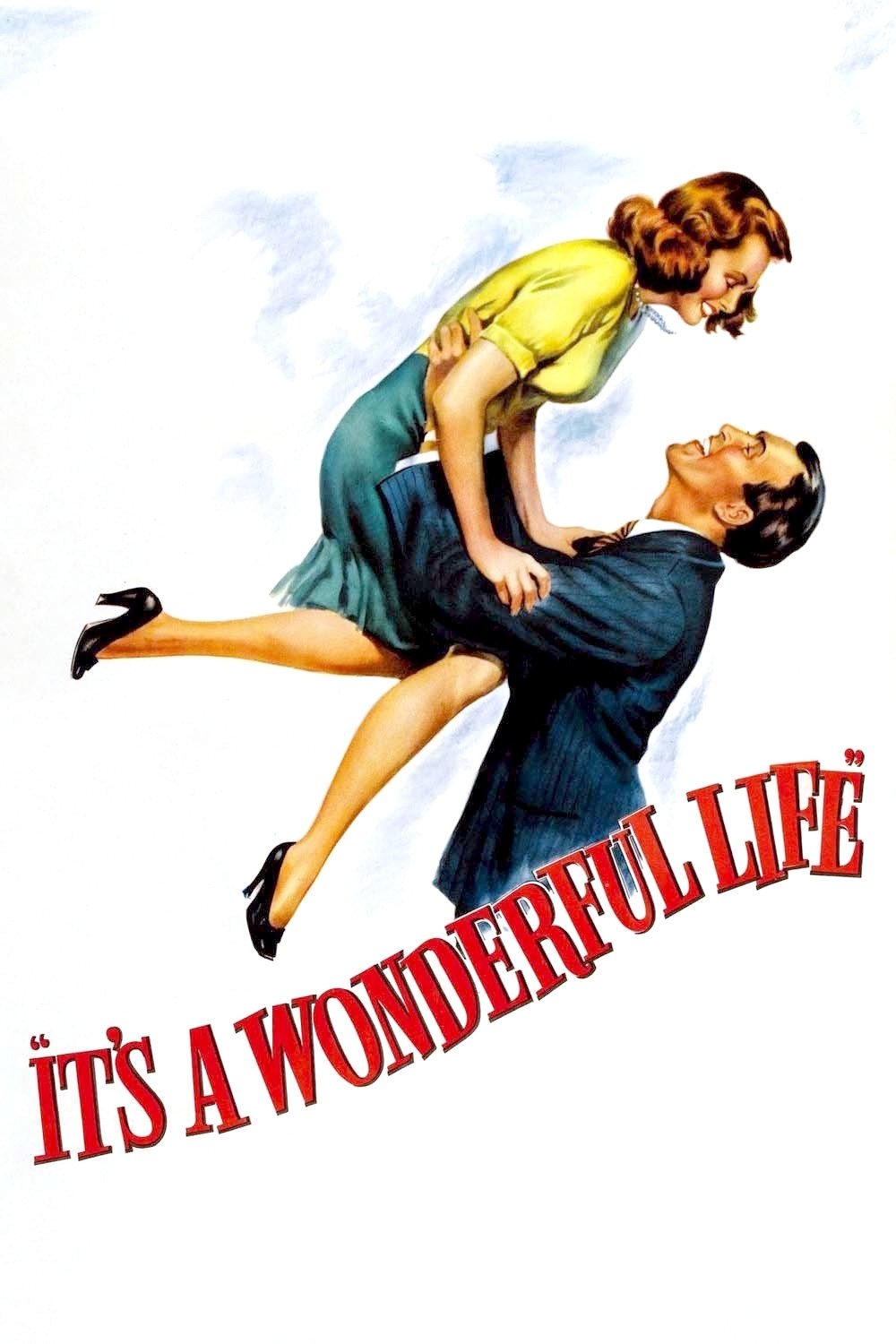
Shadow and Light in Bedford Falls: My Journey with George Bailey
I’ve spent hours with George Bailey, feeling his quiet ache under the Christmas lights, and I still marvel at how “It’s a Wonderful Life” transforms the familiar trappings of small-town Americana into a meditation on despair, hope, and the unseen ripples of a single existence. Every December, I return to Frank Capra’s world, not because I expect comfort, but because I crave the rawness lurking beneath the film’s glowing surface. For me, this isn’t merely a holiday staple—it’s a reckoning with the ghosts of our own unfulfilled dreams.
The Weight of “What Might Have Been”
I often catch myself thinking about moments and choices—those near-invisible crossroads where life could have veered another way. Watching George, I’m reminded that the heart of the film throbs with regret and longing for roads not taken. Capra never lets us forget how George’s sense of duty slowly suffocates his boyhood ambitions; each time he sacrifices his plans for others, I feel an ache that isn’t just George’s. It’s universal. The luggage that stays under his bed becomes a tombstone for every postponed dream. The film dares to look at sacrifice not as saintly, but as quietly devastating, and it’s only through this honest pain that redemption can surface.
Small Towns, Enormous Shadows
There’s a darkness that pervades Bedford Falls, one that never quite dissipates, no matter how brightly the snow falls outside the Bailey home. What strikes me is how Capra uses the town itself as a living reflection of George’s internal state. Streets that seem safe and welcoming suddenly become strange and hostile in his absence. The infamous vision of Pottersville—neon-lit, brash, and merciless—isn’t merely a dystopian fantasy. It’s an eruption of fears: that our choices mean nothing, that cruelty is rewarded, that kindness is wasted energy. Pottersville is the shadow lurking behind every act of goodness, the world that might be if we give up on each other.
The Hidden Cost of Selflessness
I can’t help but flinch when I see George’s mounting frustration, his quiet envy for those who leave Bedford Falls, or his simmering resentment toward his brother’s successes. For all the film’s reputation as “life-affirming,” it’s startlingly honest about the bitterness that can seep into a life spent serving others. Capra does not romanticize selflessness; instead, he exposes its toll. When George erupts on his family on Christmas Eve, it’s a roar that has echoed through decades of audience hearts. The film insists that self-sacrifice isn’t painless, and that goodness—real, lasting goodness—often flows from wounds, not sainthood.
Money, Morality, and the American Imagination
More than any other film of its era, I think “It’s a Wonderful Life” stares straight into the chasm between the American Dream and the reality of economic struggle. George is never poor in the Dickensian sense, but the threat of financial ruin suffuses every frame. The Building & Loan becomes a fragile bulwark against Mr. Potter’s predatory capitalism—a symbol of communal resistance in a system designed to favor greed. Capra’s America is both generous and ruthless, a place where decency is a daily battle waged in the shadows of looming banks and hungry landlords. George’s breakdown isn’t just existential; it’s a direct response to a world that seems to reward only the Potters among us.
The Angel’s Dilemma: Faith in Ordinary Goodness
Clarence’s role fascinates me more every year. He’s bumbling and odd, but his very presence suggests a desperate hope: that the universe is invested in the fate of ordinary people. The trial George undergoes isn’t religious in any conventional sense—it’s existential. As I see it, the film suggests that redemption isn’t a lightning bolt from above, but a painstaking process of seeing one’s reflection in the eyes of others. Clarence does not “save” George; he simply holds up a mirror, inviting George—and us—to recognize worth where we least expect it. If there is a theology here, it is one of radical, messy, very human interdependence.
Mirrors and Alternate Realities: The Power of Absence
Whenever the film spins into Pottersville, I feel a chill that’s more than narrative—it’s existential. The specter of “what if I had never been born?” is the deepest, darkest magic trick Capra ever pulls. Seeing Mary as a spinster, or Gower ruined, or Harry dead, is not simply a narrative device. It’s an unsettling reminder of how life is defined as much by presence as by absence. The moral force of the film comes from this haunting: the idea that every unnoticed kindness, every small sacrifice, is a load-bearing beam in the architecture of the community. In Pottersville, Capra exposes the invisible labor of love that holds together the very fabric of Bedford Falls.
Noisy Endings and Quiet Revelations
It always strikes me that the film’s famous ending—a raucous chorus of “Auld Lang Syne”—doesn’t erase the pain that came before it. The joy in that final scene is shot through with relief, exhaustion, and the knowledge that despair can return in the morning. When George reads Clarence’s inscription—“No man is a failure who has friends”—I hear it as both affirmation and warning. Community is the answer, but it’s a fragile, ongoing project. The elation is earned precisely because the risk was so real, the darkness so close. Every time the bell rings, I remember that the film’s triumph is not in banishing suffering, but in making peace with its place in a life well-lived.
Two Kindred Classics for the Thoughtful Viewer
If the aching humanity of “It’s a Wonderful Life” lingers in you as it does in me, there are a few classic films that echo its complexity:
- Make Way for Tomorrow (1937): A story of aging parents and forgotten kindness that cuts even deeper than Capra’s tale, and forces us to reckon with the consequences of our compassion—or lack thereof.
- A Christmas Carol (1951): Alastair Sim’s portrayal of Scrooge reveals another path through bitterness to redemption, trading sentimentality for something raw and transformative.
If you’re curious about how this film was originally perceived or how it compares to similar works of its era, these resources may be helpful.
🎬 Check out today's best-selling movies on Amazon!
View Deals on Amazon