
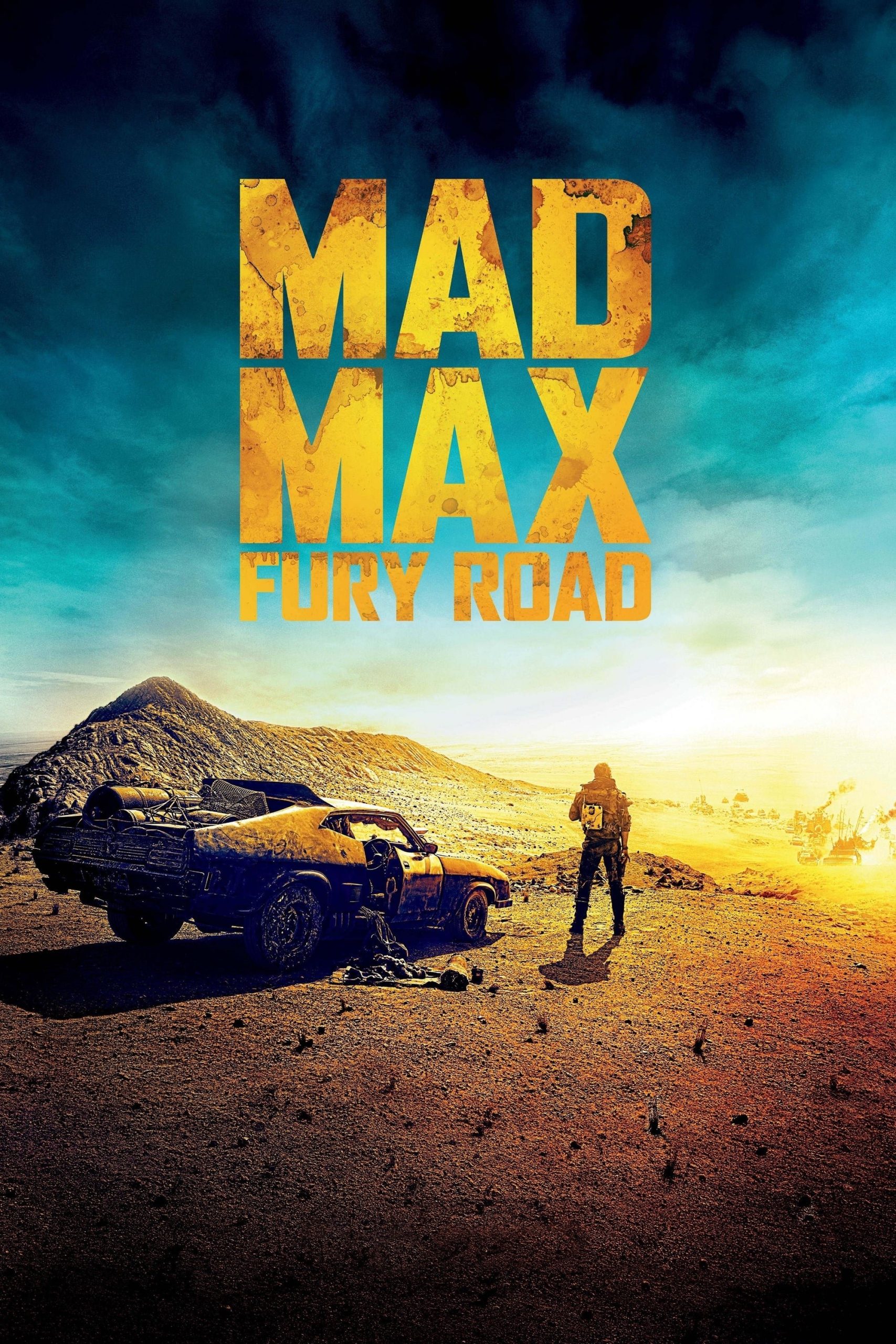
I remember the first time I saw “Mad Max”—it wasn’t the thunderous roar of engines or the wasteland vistas that struck me, but rather the unexpected quiet at the edges of chaos. I was much younger, drawn in by the promise of roaring car chases, but instead, what echoed in my mind hours after the credits rolled was a sense of profound desolation and a simmering rage barely contained beneath the film’s battered surface. This was not the action movie I had expected; it was a document of collapse and the cold vigil that follows. I was hooked—not just by the adrenaline, but by the hints of something deeper beneath the leather and dust.
What the Film Is About
When I consider “Mad Max,” its notoriety as an action spectacle pales beside the emotional crucible at its center. At its heart, the film feels less like a revenge fantasy and more like an autopsy of society’s last shreds of civility. The central conflict is not simply Max versus the biker gang; it is Max’s battle with his own humanity as the world demands more brutality from him. Watching Max slip further from empathy as trauma compounds, I am left unsettled, observing a character not built for heroics, but forced into a new kind of solitary existence by overwhelming violence.
The narrative arc unfolds in an Australia teetering on the precipice of ruin—policemen barely distinguishable from the punks they pursue, townsfolk resigned to terror. The film, for me, traces the slow corrosion of order and the cost to the individual psyche when institutions collapse and vengeance becomes a surrogate for justice. By the time Max finally crosses the line into vigilante retribution, I wasn’t cheering; I was mourning whatever humanity he had left behind. Miller’s film, intentionally or not, seems to ask: How do ordinary people survive when the social contract has snapped? And, just as crucially, what’s left of them if they do?
Core Themes
The raw conflict between civilization and barbarism is at the core of “Mad Max.” The film’s world is not yet the wholly apocalyptic wasteland its sequels would depict—rather, it’s a liminal space, law on the verge of collapse, decency hanging on by a thread. Max’s journey hammers home the fragility of morality under constant threat; in this world, lawmen can become outlaws overnight, simply by surviving too many encounters with unchecked violence. I am haunted by how relevant this remains—the stretch of trauma, isolation, and the corrosion of ethical boundaries can be seen wherever institutions fray, whether that’s in embattled towns, decaying cities, or even in one’s private battles.
In 1979, “Mad Max” emerged from an Australia preoccupied with economic anxiety and a growing sense of alienation. Watching it now, I recognize fear not just of “the other” (the bikers) but of societal disintegration’s contagion. The film’s warning—that anyone is at risk of becoming what they fear most, given enough loss and lawlessness—is as piercing today as it was amid the oil shocks and malaise of its time. My continued fascination lies in how sincerely the film captures the human impulse both to forge order and to let it fall away when it hurts too much to hold on.
Symbolism & Motifs
Rarely does a genre film wield its iconography with such brutal precision. The black Pursuit Special—the Interceptor driven by Max—is itself a symbol of duality, simultaneously an emblem of law enforcement and, as the film progresses, a harbinger of vengeance. When I see Max’s reflection in its polished chassis, what I’m really seeing is his vanishing sense of self, subsumed by his newfound purpose: survival at any cost.
The highways themselves function as recurring motifs. The empty stretches of asphalt, always shimmering in the Australian heat, are less avenues of escape and more corridors of fate—nowhere to turn, only forward or dead stop. These endless roads mirror Max’s transformation; just as the highway stretches beyond sight, so too does the journey into moral twilight.
Another image that stays with me is the recurring use of eyes—terror-filled, wide, unblinking, often captured in disorienting close-up. Miller’s obsession with the gaze—what is seen, what cannot be un-seen—becomes a motif for trauma and the loss of innocence. Early on, these are the eyes of victims; by the end, Max’s own gaze is cold, nearly vacant. The film’s greatest symbol, I’d argue, is this corruption of the gaze—the clarity lost to violence and grief.
Key Scenes
A Family Outing Fractured
The scene where Max and his family are waylaid at the remote farmhouse is, in my view, the linchpin of the film’s emotional gravity. This isn’t the climactic chase or final shootout, but rather a moment of almost unbearable anticipation—where safety should reign, chaos instead erupts. When violence shatters their isolation, it is abrupt and unceremonious, a stark reminder that no sanctuary survives in this world. This moment destroys not just Max’s family, but any hope that compassion might still win out. I can’t shake the feeling of inevitability—how every kind gesture in the film is a preamble to loss.
The Death of Goose
Few images from “Mad Max” unsettle me quite like the discovery of Goose, Max’s closest friend, after his fatal encounter with the bikers. This cruel moment is more than narrative escalation—it is the site where Max’s resolve shatters. Goose’s injuries are so horrific, and the law’s impotence so glaring, that I feel the emotional air sucked out of the story; for Max, all sense of justice becomes hollowed out. It is, in effect, the death of hope, catalyzing the transformation that gives the film its name.
The Final Act of Vengeance
The last act, when Max methodically hunts down his enemies, is the performance of justice as ritual—cold, clinical, performed with a shocking absence of triumph. When Max cuffs Johnny the Boy to a burning car and offers him a hacksaw, it’s a deliberately cruel choice, revealing that the line between hero and monster is gone. I watch this scene not with satisfaction, but with unease; I am forced to ask, what exactly has been saved by this act of revenge? Max, triumphant in name only, is now just another specter on the endless road.
Common Interpretations
Many critics interpret “Mad Max” as a straightforward distillation of dystopian, car-chase action—a kind of punk western where control is an illusion and heroism is measured in horsepower. It’s often read as a thrilling, nihilistic spectacle, a predecessor to the apocalypse the sequels would flesh out. While this view captures some of the adrenaline, it feels to me a little narrow, almost reductive.
To me, the greatest ache of “Mad Max” lies in its quieter moments, and in the emotional cost that accompanies the spectacle. I see less a celebration of vigilante justice than a warning about what’s left of humanity when society’s last agreements have been abandoned. Other readings—anarchic, even gleeful about the breakdown—miss how shot through with sorrow and exhaustion the film really is. I find the critical consensus too enamored with the film’s style, not attuned enough to its despair.
Films with Similar Themes
- The Road Warrior (1981): Its post-apocalyptic sequel deepens the theme of surviving in a collapsed world, sharpening questions about community, leadership, and what values remain when everything is lost.
- A Boy and His Dog (1975): Explores the cost of survival and the loss of morality in a devastated future, its protagonist similarly forced to navigate a world stripped of order and kindness.
- Death Wish (1974): Investigates the dangers of personal vengeance and justice in the face of institutional breakdown, paralleling Max’s journey from lawman to executioner.
- Escape from New York (1981): Offers a dark, near-future landscape where societal boundaries collapse, and survivalism breeds new ethics—much like the world into which Max is thrust.
Enduring Relevance and Personal Reflection
When I encourage new viewers to approach “Mad Max,” I never promise just a thrill ride. The film stands as a testament to how easy it is to lose ourselves when the world loses its structure. Its themes—grief, rage, the collapse of civility—remain urgent in every era that flirts with disorder. Understanding the emotional undercurrents within the film—how vengeance devours the self, how trauma spreads through every gear of the machine—turns what could be basic genre fare into something that lingers, uncomfortable and profound. For me, returning to “Mad Max” isn’t about reliving the spectacle, but about reckoning with how fragile the lines are between us and the lawless road ahead.
Related Reviews
If you found value in my perspective, you might also enjoy exploring my thoughts on other cinematic landmarks such as Death Wish and Escape from New York.
To broaden this interpretation, you may also explore how critics and audiences responded over time.
🎬 Check out today's best-selling movies on Amazon!
View Deals on Amazon