
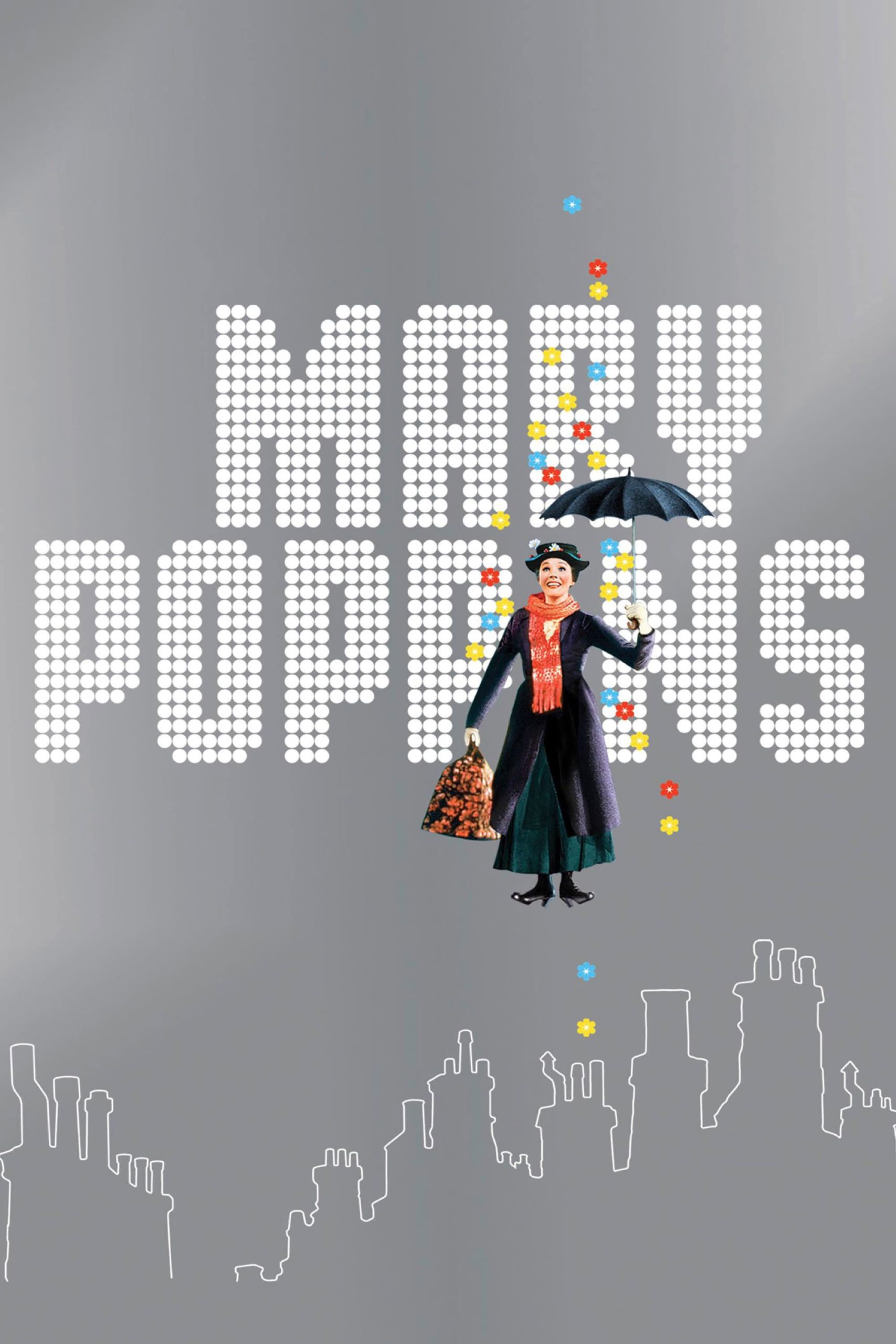
The Hidden Rebellion in a Spoonful of Sugar
I have always found myself lingering on the edges of Mary Poppins’ arrival, that peculiar scene where the east wind sweeps her into a buttoned-up London household. The magic, so often described as whimsy, strikes me as something more radical. Mary Poppins is not merely a fantastical nanny—she’s a quiet revolutionary, upending the Banks family’s world not simply for their amusement but for their transformation. Her every song and sleight of hand whispers a critique of the rigidity choking Edwardian society. I sense, beneath the film’s bright colors and catchy tunes, a subversive current—one that encourages children and adults alike to defy oppressive order with creativity and compassion.
The Banks Household: A Sanctuary Under Siege
Every time I return to Cherry Tree Lane, I notice how the Banks household is a microcosm of a larger social malaise. The father, George Banks, stands for the era’s blind faith in rules and respectability. His home, with its schedules and servants, is meant to be a fortress, yet it feels brittle—almost ready to fracture at the slightest provocation. The arrival of Mary Poppins is less a rescue for the children than an intervention for the adults, who have lost their ability to see beauty in the everyday. Jane and Michael’s unruliness isn’t rebellion so much as a call for attention, for a different way of being. I sense the film is gently indicting the culture that raised them, suggesting that children’s mischief is a rational response to emotional neglect.
The Alchemy of the Ordinary
What transforms the Banks children isn’t just the spectacle of jumping into chalk drawings or floating up to the ceiling with laughter. It’s Mary Poppins’ insistence that the extraordinary is always latent in the ordinary, provided one is willing to see it. This is not escapism for its own sake. When Mary Poppins tidies the nursery with a snap, or when she and the children soar above the city, I see not just fantasy but a demonstration of the imagination’s power to re-enchant the world. The film invites me to question which parts of daily life I accept as fixed, and whether I’ve surrendered to dullness out of habit. The most radical suggestion, nestled in all the fun, is that perspective is transformative—one’s attitude can transmute drudgery into delight.
Song as Subversion
I’ve always been struck by the way music is deployed in Mary Poppins—not just as light entertainment, but as a tool of subversion. “A Spoonful of Sugar” isn’t merely a catchy chorus; it’s a manifesto. The song’s central idea—that joy can make even the most tedious labor bearable—undermines a culture that glorifies suffering for its own sake and upholds strict divisions between work and play. Even the surreal “Supercalifragilisticexpialidocious” becomes a playful retort to the authority of language and the pomposity of adults. The film uses its musical numbers to tear down the invisible walls separating adult seriousness from childlike wonder, suggesting that the truly mature are those who know how to play.
Mary Poppins Herself: A Paradox in Parasol and Glove
I can’t help but marvel at the construction of Mary Poppins herself. She is stern, precise, and in complete control—hardly the archetype of a freewheeling magical being. Her very contradictions—firm yet kind, enigmatic but nurturing—mirror the synthesis the film advocates: that discipline and delight can coexist, that boundaries need not suppress joy. She refuses to indulge in sentimentality, resisting both the children’s pleas to stay and the adults’ attempts to pin her down. This, to me, is the film’s most profound lesson: we cannot possess what brings us joy, and attempts to control or explain the miraculous will only make it vanish. Mary Poppins’ departure, as inevitable as her arrival, is both a heartbreak and a call to self-sufficiency.
Recasting the Role of Fathers
What lingers with me most powerfully is the way Mary Poppins transforms not the children, but their father. George Banks begins the film as a caricature of Victorian manhood, all stiffness and order. His journey—subtle, comedic, and deeply moving—charts a rediscovery of emotional openness and vulnerability, themes rarely granted to male characters in family films of the time. When he learns to fly a kite, the gesture is less about play than about surrendering to love and intimacy. The film’s real magic lies in its assertion that true authority springs from empathy, and that self-reinvention is always possible, even for those seemingly set in their ways.
The Subtle Art of Resistance
There’s an undercurrent of resistance running through the film, and I find myself returning to the scenes of quiet rebellion: the suffragette marches, the laughter that floats around rules, the children’s refusal to accept the world as it has been handed to them. Mary Poppins plants seeds of dissent, encouraging her charges—and by extension, all of us—to question inherited norms and seek kinder, more imaginative solutions. This isn’t anarchy. Rather, it’s a gentle, persistent push toward a more humane order. I am reminded that sometimes the most effective revolutions come disguised as games, and that the fiercest opposition to cruelty is often delivered with a smile.
Legacy of Enchantment
Why does Mary Poppins endure? I believe it’s because the film offers a blueprint for hope in a world too easily surrendered to cynicism and resignation. Rather than advocating for escape, it suggests that magic is not somewhere else, but right here, patiently waiting for us to notice. I notice how, after all the songs and spectacle, the real change is internal. The Banks family is transformed not by the supernatural, but by a renewed capacity for wonder, connection, and forgiveness. This is Mary Poppins’ true lesson: the possibility of ordinary miracles.
Tale of Two Umbrellas: Recommendations for Further Wonder
Whenever I finish Mary Poppins, I find myself craving other films that dance along the tightrope between magic and meaning. If you were also captured by its blend of gentle rebellion and transformative joy, I recommend seeking out:
- The Wizard of Oz (1939)
- Harvey (1950)
If you’re curious about how this film was originally perceived or how it compares to similar works of its era, these resources may be helpful.
🎬 Check out today's best-selling movies on Amazon!
View Deals on Amazon