
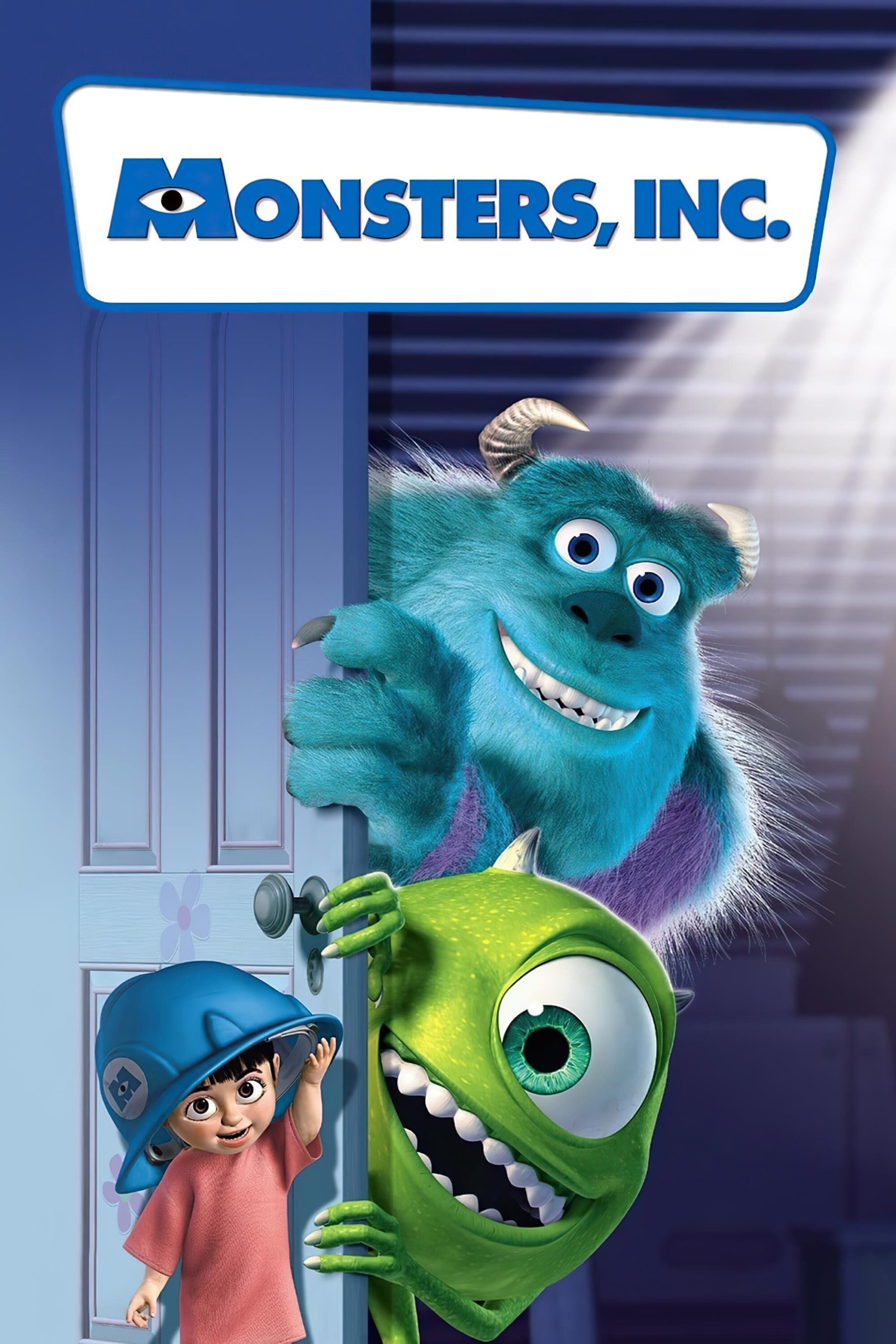
Behind the Doors: My First Encounter with Innocence and Industry
I still remember the first time I watched “Monsters, Inc.”—I was caught off guard by how quickly my guard dropped. A child’s film, I thought, and yet within minutes, something unusual began to happen: I found myself more invested in the monsters’ world than I’d ever expected. What struck me wasn’t just the clever premise or the vibrant animation, but how the film subtly asked me to consider the machinery of fear and the cost of running on it. This wasn’t a film about things going bump in the night. It was about what happens when we build entire systems around anxiety, and what it means to rediscover compassion in a world that prizes efficiency above all else.
Industrial Nightmares and the Currency of Fear
I’ve always been fascinated by the way “Monsters, Inc.” constructs its central metaphor: an energy crisis solved by harvesting the screams of children. On the surface, it’s a conceit crafted for laughs and frights, but underneath, I see a direct commentary on our own world’s willingness to exploit innocence for profit. The film’s power plant, with its cold, humming machinery and punch-clock routine, is an eerie stand-in for every faceless institution that asks us to surrender our joy for productivity. As Sulley and Mike navigate their workplace, I sense the film urging me to question the systems I participate in and whether their fuel—fear, stress, urgency—is truly sustainable or even necessary.
The Subversive Power of Laughter and Joy
What truly lingers with me about “Monsters, Inc.” is the way it subverts the logic of its own world. The realization that laughter is not only more potent than screams, but also more abundant and sustainable, feels like a revelation. The film suggests that joy, far from being a frivolous afterthought, might actually be the missing ingredient that can transform toxic systems. In an era defined by anxiety, cynicism, and burnout, watching Sulley discover that a child’s laughter holds more energy than their fear reads like a plea for a radical shift in how we relate to one another. It’s not just a plot twist—it’s an argument for kindness in the face of institutional indifference.
Doors as Portals, Barriers, and Invitations
Every time a door slid open in “Monsters, Inc.”, I felt a shiver of possibility. The doors in the film are more than clever plot devices—they’re metaphors for connection and separation, for the thin line between worlds. To me, each door represents both a boundary and an opportunity: the risk of crossing over, and the hope of genuine contact with the Other. When Sulley steps into Boo’s room, the stakes feel existential. He isn’t just risking his job—he’s risking the security of the familiar for the sake of empathy. The doors become invitations to empathy, to seeing what lies beyond our own fears and routines.
Complicity, Redemption, and the Monster Within
The arc of Sulley’s character is, for me, the pulse of the film. Here is a monster celebrated for his prowess at scaring children, only to be undone by the realization that his livelihood depends on harming those he’s come to care about. I see in Sulley’s journey a reflection of every adult who has ever discovered that their strengths may be complicit in systems of harm. The film doesn’t offer pat solutions. Instead, it asks its characters—and by extension, me—to wrestle with guilt, complicity, and the possibility of redemption. Sulley’s transformation is powerful because it emerges from self-reflection, from the willingness to be vulnerable and to choose differently once the truth becomes unavoidable.
Boo and the Radical Disarming of Prejudice
Boo’s presence in the film is like a pebble in the shoe of Monstropolis: disruptive, uncomfortable, impossible to ignore. What I love most about her is the way she undoes the logic of fear simply by refusing to be afraid. Boo’s innocence is not naïveté but a quiet revolution—she refuses to play her assigned role as victim, and in doing so, she forces the monsters to see themselves differently. Every moment she spends with Sulley and Mike is a lesson in the radical power of trust. I’m reminded that prejudice isn’t something we consciously choose, but something we inherit from flawed systems—systems that only crumble when we risk genuine connection.
Corporate Satire Wrapped in Pixar Whimsy
The film’s satire is sly, but it hit me right between the eyes. “Monsters, Inc.” lampoons the language and logic of corporations—pointless quotas, insidious competitions, and the ever-looming specter of layoffs. Yet beneath the jokes, the film is deadly serious about the ways institutions absorb and distort individual morality. Watching the CEO, Waternoose, justify his actions with chilling pragmatism, I felt a pang of recognition. The film’s real villain isn’t a person, but a way of thinking; a mindset that values ‘results’ over relationships, and compliance over conscience. Pixar’s colorful palette doesn’t soften this critique—it sharpens it, making the satire all the more biting because it arrives wrapped in candy.
The Look of Monstropolis: Visualizing Anxiety and Wonder
Every frame of “Monsters, Inc.” is dense with visual subtext. The city’s looming smokestacks and winding conveyor belts conjure an industrial anxiety that’s hard to ignore. But what captivates me is how the film counterbalances this with warm, inviting interiors and bursts of color whenever Sulley and Boo interact. Pixar’s artistry is in the contrast: outside, the world is mechanized and unfeeling; inside, genuine relationships create spaces of safety and hope. Even Boo’s closet—the supposed epicenter of childhood terror—is transformed into a place of encounter, not danger. The film uses its visuals not just to delight, but to reinforce its core message: that wonder can outshine even our deepest anxieties, if only we let it in.
Lasting Echoes: Why “Monsters, Inc.” Still Haunts Me
Years after that first viewing, the film’s ideas have only grown more urgent for me. Its simple, subversive argument—that a society structured around fear will always overlook the transformative power of kindness—feels more relevant than ever. “Monsters, Inc.” may wear the costume of a children’s comedy, but every beat is haunted by deeper questions: Who benefits from our fear? Who profits from our silence? And most importantly, who are we willing to become once we realize there is another way?
A Pair of Classic Echoes
If the themes and emotional undercurrents of “Monsters, Inc.” haunt you the way they’ve haunted me, I urge you to seek out these two classics: “Modern Times” and “The Apartment.” Each, in its own way, wrestles with work, morality, and the quiet rebellions that reshape both industry and intimacy.
If you’re curious about how this film was originally perceived or how it compares to similar works of its era, these resources may be helpful.
🎬 Check out today's best-selling movies on Amazon!
View Deals on Amazon