
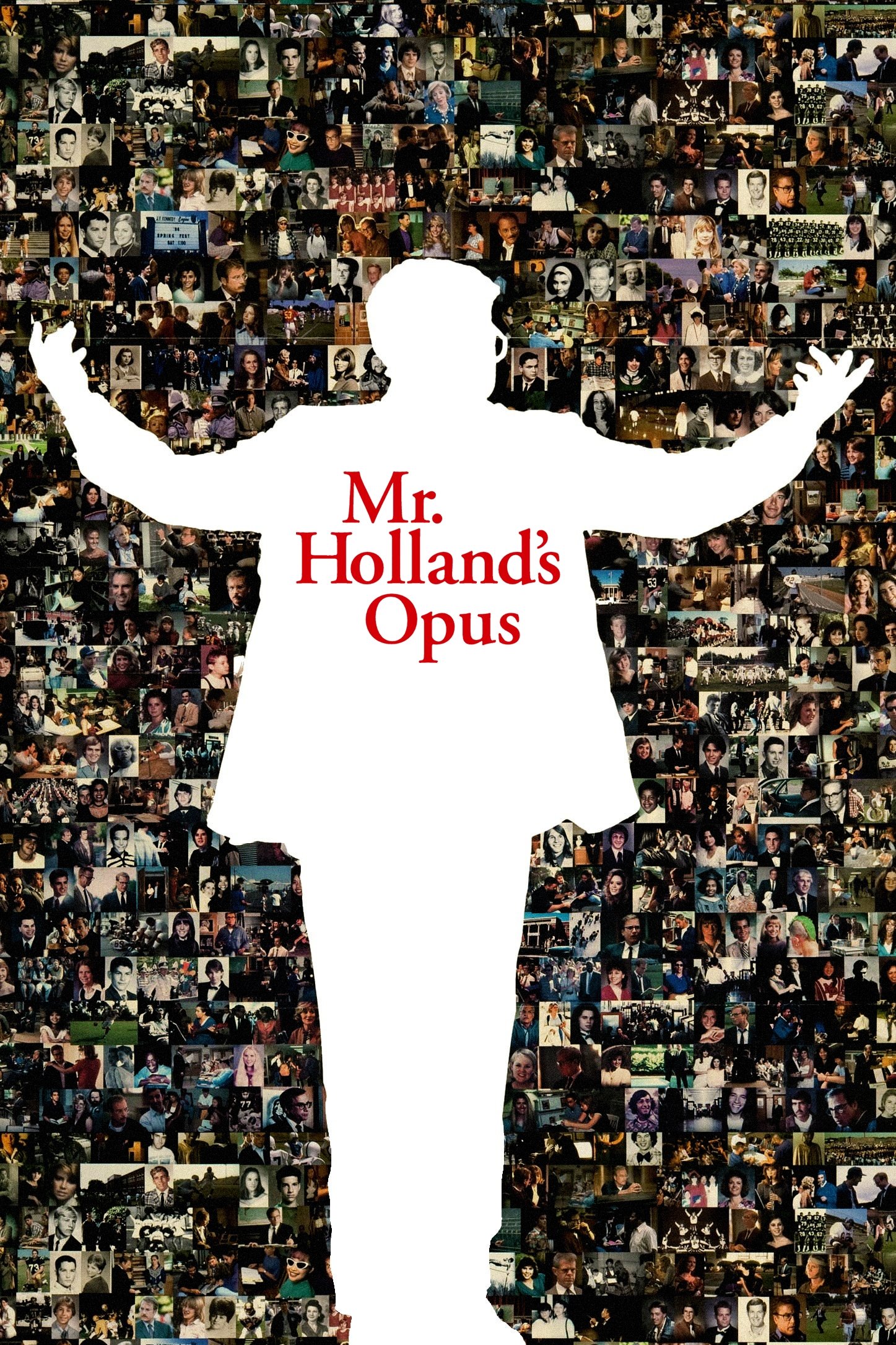
Chasing the Quiet Crescendo: My Experience with Mr. Holland’s Opus
The first time I watched “Mr. Holland’s Opus,” something buried deep in me tugged insistently, as if the film were not just playing out on the screen, but whispering directly to questions I’d never dared verbalize. There’s a certain ache that lingers in the heart of anyone who’s quietly wondered if their life has truly mattered—an ache this film captures with astonishing clarity. Looking at Mr. Holland—his ambitions, his compromises, his gradual understanding of legacy—I found myself confronting my own definition of purpose, and the strange, winding roads that often lead us to it.
The Unwritten Symphony of a Life
There’s an almost painful irony in watching Glenn Holland, a man so convinced that his value lies in composing a great piece of music, find that his “opus” is something scattered, subtle, and unintentional. The film seems to suggest that the true masterpiece of any life is not what we set out to create, but what emerges from the everyday choices we make. I saw in Mr. Holland’s painstaking routines—his lesson plans, his silent encouragements—a portrait of quiet heroism that runs counter to popular notions of greatness.
For me, the most resonant part of Holland’s journey is how his pursuit of a singular artistic vision is gradually replaced by the humbler, messier reality of connecting with others. The film doesn’t glamorize self-sacrifice; instead, it illuminates how “failure” to fulfill one’s youthful ambitions can in fact lead to a deeper, more communal kind of success. Every moment he spends guiding a reluctant student, every note played in a high school auditorium rather than a grand concert hall, becomes a brick in an invisible monument to the power of presence.
Teaching as a Minor Key: What the Classroom Reveals
I’ve always felt that teaching movies are at risk of sentimentality, yet “Mr. Holland’s Opus” sidesteps that trap. The film’s depiction of teaching as a daily, sometimes thankless labor resonates because it refuses to idealize the classroom. Here, the lessons Mr. Holland imparts are as much about survival and improvisation as they are about music theory. Watching him fumble, adapt, and occasionally fail is to witness the humility that comes from living in service to others.
What makes his teaching so compelling isn’t the grand gestures, but the accumulation of small, deliberate acts of care. The film asserts that true educators plant seeds whose blossoms they may never see. I found myself thinking of the teachers who once nudged me forward, who may not even remember my name—yet shaped the core of who I am. In Holland’s relationships with his students, I see a meditation on influence: both ephemeral and enduring, often invisible but always real.
Sound and Silence: The Strains of Family
One of the film’s boldest choices is how it explores the tension between professional calling and personal responsibility, especially through Holland’s evolving relationship with his wife and deaf son. The motif of music—so central to Holland’s identity—becomes painfully complicated in a home rendered silent by his child’s deafness. As someone who’s struggled to balance creative ambition with familial demands, I felt an uncomfortable kinship with Holland’s initial frustration and guilt.
There’s a moment, nearly wordless, when he realizes his son can never hear the music that defines his world. This isn’t just about a literal inability to communicate; it’s about the chasms that can form when we define ourselves so narrowly that we become strangers to those who love us most. Yet in learning to “speak” to his son through sign language, Holland is forced to reconceive what it means to share joy, beauty, and meaning. The film argues that true artistry finds a way to express itself, even—especially—when words and sounds fail.
The Subtle Rebellion of Staying Put
What continually surprises me about “Mr. Holland’s Opus” is its refusal to equate success with mobility or novelty. Holland’s decision to remain at the same high school for decades is, in its own way, a radical act of affirmation. We so rarely celebrate those who choose constancy over adventure, who make a difference not by moving outward, but by digging deeper into the same patch of earth.
There’s a scene late in the film where Holland, facing the end of his teaching career, is confronted not by grand accolades, but by a community’s outpouring of gratitude. The film’s message here is quietly subversive: that fulfillment may come not from personal glory, but from the invisible web of lives we touch by simply showing up, year after year. It made me reevaluate my own notions of progress, and the cultural hunger for novelty that often overshadows the worth of perseverance.
The Weight of Deferred Dreams
Much of my emotional response to the film rests in its honest portrayal of dreams deferred—not tragically lost, but transformed. I felt the ache of watching Holland’s ambitions collide with reality, and the reluctance with which he lets go of his youthful self-image. There’s a kind of grieving in that, a letting go that’s at once heartbreaking and necessary.
Yet the film is never cruel in this. It allows Holland (and us) to mourn what might have been, but then gently invites us to see what is. The movie’s central argument is that purpose is not preordained; it’s discovered, usually in the very places we least expect. I left the film recognizing that the stories we tell ourselves about “success” are always incomplete. The real legacy, as the film illustrates, lies in adaptation and openness to the unexpected shape of one’s life.
Music as Metaphor: More Than Just Notes
It’s impossible for me to talk about “Mr. Holland’s Opus” without mentioning how music itself functions as more than just a subject. In every rehearsal, every imperfect performance, music becomes a metaphor for connection, longing, frustration, and hope. There’s a deeply human current beneath the technical aspects—the sense that melody and rhythm are stand-ins for all forms of self-expression and understanding.
When Holland composes at home, the act is personal, private, even selfish. But in the classroom, music is communal; it’s an invitation to dialogue and discovery. The film insists that art is not valuable merely as product, but as process—a way of being present with one another. This is nowhere clearer than in the final scene, where Holland’s magnum opus is performed not by professionals, but by generations of students he has touched. The music becomes a living testament, echoing beyond any single author’s hand.
An Ode to the Unsung
By the end of the film, I found myself unexpectedly moved by its gentle championing of the overlooked and underestimated. “Mr. Holland’s Opus” honors those who create meaning not through grand gestures, but through daily acts of devotion and care. In a world that prizes spectacle, there’s something radical in its celebration of the ordinary—of the parent, the teacher, the neighbor whose contributions are felt, if not always seen.
Watching Holland’s emotional arc, I felt the film asking a question that lingers long after the credits roll: How might our definitions of “accomplishment” change if we counted not the monuments we build, but the lives we enrich? That, for me, is the film’s enduring gift—a reminder to look for significance in the echo, not the shout.
If This Opus Resonated: Two Classic Films to Seek Out
For those who, like me, find themselves haunted and comforted by Mr. Holland’s journey, I recommend these classic films that echo its spirit and themes:
- Goodbye, Mr. Chips – A meditation on the quiet impact of a teacher’s life across generations, full of warmth and understated power.
- Ikiru – Akira Kurosawa’s profound exploration of personal legacy, regret, and the meaning found in small acts of kindness.
If you’re curious about how this film was originally perceived or how it compares to similar works of its era, these resources may be helpful.
🎬 Check out today's best-selling movies on Amazon!
View Deals on Amazon