
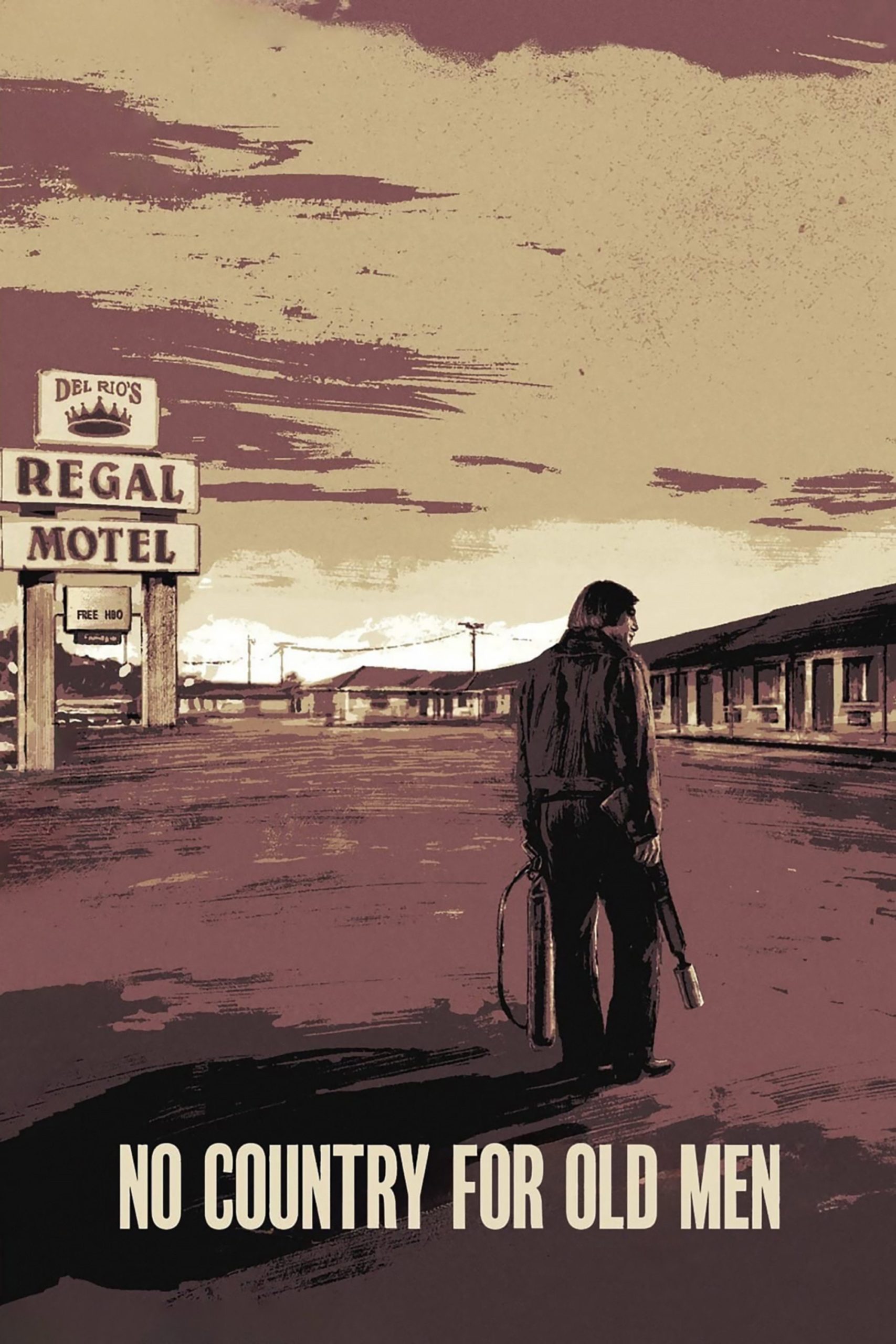
Waking Up in a World That No Longer Feels Like Mine
I remember the first time I watched No Country for Old Men, the quiet tension sat with me long after the credits rolled, like a cold hand on my shoulder. This wasn’t just another neo-Western about outlaws and violence; the Coen brothers had crafted something far more unsettling—a film that peered into the soul of a country, and maybe even into my own aging anxieties. The relentless sense of dislocation and fading control that permeates every frame struck me as both haunting and deeply personal, a meditation on how the world quietly slips past our understanding.
The Tyranny of Randomness: Order Shattered by Chaos
What stays with me most is the way the film refuses to align with my expectations of narrative justice. Anton Chigurh, with his coin-flipping rituals and deadpan stare, doesn’t simply represent evil—he embodies the chilling randomness of fate. When he asks his victims to call the coin toss, it isn’t fair or unfair. It just is. In those moments, the film insists that the universe operates with a logic wholly indifferent to morality or meaning. Every time I watch Chigurh stride into a room, I see not just a villain but a force of nature, the embodiment of chaos in a world that I, like Sheriff Bell, no longer recognize.
This is a film where no one is truly safe—not from violence, not from change, not even from their own limitations. I find myself sympathizing with Bell’s longing for an era where the rules made sense. Yet the film’s brilliance lies in suggesting that this nostalgia may be a comforting illusion. No matter how hard I search for patterns or justice, the world drifts further from the stories I tell myself about it.
Morality as an Old Man’s Game
Every time Sheriff Ed Tom Bell narrates his dreams or sits in quiet reflection, I feel the ache of someone who believes, deep down, that his code of ethics has been rendered obsolete. The very title of the film—No Country for Old Men—echoes in my mind as an indictment and a lament.
The world Bell inhabits is no longer one he can understand or control; violence surges to the forefront, not as the result of moral failings, but as a consequence of time’s relentless march towards entropy. The criminals he chases aren’t just more violent—they’re playing by rules he doesn’t know. When Bell stands in a crime scene, dwarfed by the horror and senselessness, I feel a piercing sense of futility. It’s as if the ground beneath him—beneath all of us who crave order—has started to shift.
I don’t see Bell’s weariness as weakness. Instead, it feels like an honest admission: the old certainties are gone, and pretending otherwise only deepens the sorrow. The film, in refusing to provide closure or catharsis, offers something more: a mirror held up to anyone who has ever wondered when and how the world left them behind.
Deserts, Motels, and the Geography of Paranoia
Spatially, the film unfolds across sunblasted highways, lonely motels, and unforgiving deserts. For me, these landscapes aren’t just backdrops—they’re psychological environments. Every empty road and desolate stretch of Texas feels like a physical manifestation of the characters’ isolation, especially Llewelyn Moss’s fatal independence.
When Moss moves from room to room, chased by a silent, inevitable threat, I sense the way the film weaponizes space. The motel doors never quite shut out the danger, and the vastness of the land only accentuates his vulnerability. The world feels too big and too empty for shelter, amplifying the paranoia that runs through every encounter.
Unlike the sweeping heroics of classic Westerns, these settings aren’t a stage for redemption; they’re arenas of entrapment. Even when a character seems to have agency—when Moss thinks he can outsmart fate—the spaces they occupy betray them, reinforcing the futility of their struggle.
A Killer with No Mercy, a Coin with No Memory
Anton Chigurh, more than any villain I’ve encountered in modern cinema, unsettles me because his violence has no real purpose beyond fulfilling his own warped sense of order. The coin he flips becomes a stand-in for fate; heads or tails, life or death, but never justice.
There’s no satisfaction in his victories, no villainous delight. Watching him operate, I sense the film’s assertion that evil is often banal—not the province of mustache-twirling monsters, but of those who follow an internal logic divorced from empathy. Chigurh is terrifying not because he enjoys killing, but because he is indifferent to everything but the process.
This makes his confrontations deeply unsettling. The terror lies not in the violence itself, but in the realization that the universe, like Chigurh, may simply not care what any of us deserve. I keep coming back to the coin tosses—not as games of chance, but as moments when the illusion of control is brutally shattered.
Dreams, Regrets, and the Ghosts That Linger
The film ends not with an act of violence, but with a dream. Sheriff Bell, sitting at his kitchen table, recounts a vision of his father carrying fire through a dark, cold landscape. I find this moment devastating in its quiet honesty. There’s no tidy resolution, no final confrontation. Instead, the film asks me to sit with Bell’s longing—for comfort, for guidance, for some sign that the world isn’t as cold as it seems.
These dreams linger because they feel so personal. They remind me that the real wounds aren’t always physical; they’re the regrets and doubts we carry into old age. The fire Bell’s father carries isn’t just warmth—it’s hope, and perhaps a fleeting promise of meaning. But even this vision is shadowed by uncertainty, an admission that the answers might never come.
I sometimes think that the Coens leave the audience adrift on purpose, to force us to confront our own yearning for order in a world that offers none. The ambiguity is the point: life’s most important questions are often the ones we can’t resolve. The film respects my intelligence by refusing to offer easy answers, and in doing so, it haunts me all the more.
How Violence Echoes Through Time
Violence in No Country for Old Men isn’t thrilling; it’s abrupt, senseless, and often unseen. I’m always struck by the way the camera lingers on aftermath rather than spectacle. The most traumatic events happen off-screen, leaving me to reckon with their impact rather than the mechanics of how they unfolded.
This approach feels honest in a way that most crime films do not. The violence here is less about shock and more about consequence—a stain that seeps into the lives of everyone involved, no matter how distant. The film suggests that, like ripples in water, the consequences of brutality are both unpredictable and inevitable. Each character, whether victim or survivor, carries a weight they can’t shed.
Instead of offering catharsis, the film forces me to sit with the reality of trauma. The refusal to sensationalize murder and loss becomes a statement in itself: violence destroys meaning as much as it asserts power.
Two Films for Those Drawn to Bleak Beauty
Whenever someone asks which films I recommend for those who find themselves haunted by No Country for Old Men, two titles jump out immediately. Each offers its own uncompromising vision of a world in which morality and fate collide, often to devastating effect.
- The Treasure of the Sierra Madre – John Huston’s masterpiece is a portrait of greed and paranoia that, like the Coens’ film, finds tragedy in the collapse of trust and certainty. The desert is every bit as cruel, and the ending every bit as elusive.
- Blood Simple – The Coen brothers’ own debut, this film is a study in escalating consequences and the futility of trying to control fate. Its dark wit and stark moral ambiguity make it a natural companion piece.
If you’re curious about how this film was originally perceived or how it compares to similar works of its era, these resources may be helpful.
🎬 Check out today's best-selling movies on Amazon!
View Deals on Amazon