
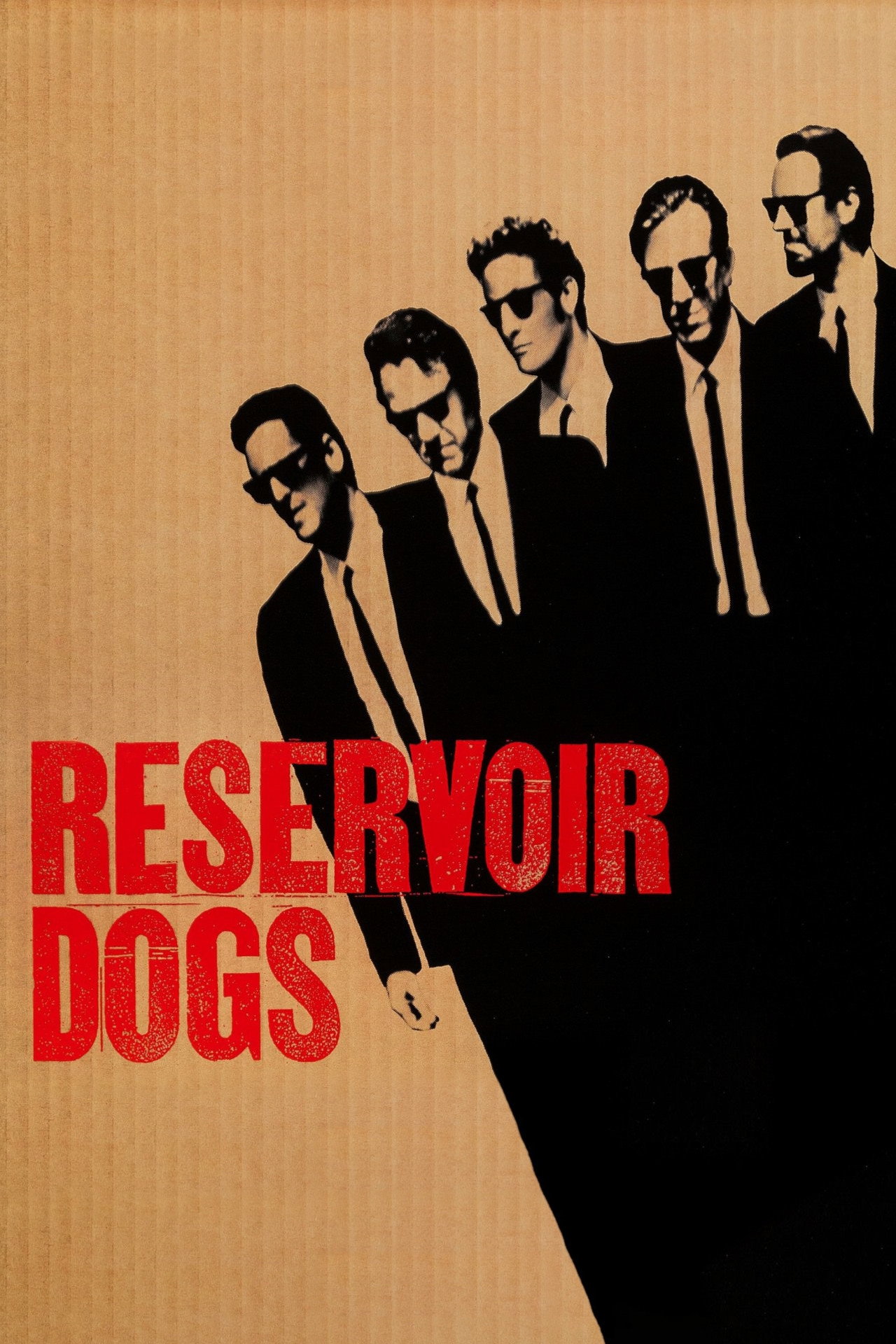
I remember the jolt I felt the first time I watched Reservoir Dogs—not from the blood or the gunshots, but from the way cruelty and affection danced together in Tarantino’s world, challenging me to question what I was watching and why I couldn’t look away. Rarely does a film seduce me so thoroughly into its moral maze, puncturing my comfort with its relentless energy, and then inviting me to sift through the layers of its violence and camaraderie. With every revisit, I discover new shades in the film’s tapestry of desperation, betrayal, and dark, fractured brotherhood.
Breakfast Table Confessions: Where Power and Trust Collide
The famous opening scene of men bickering over the meaning of Madonna lyrics and the etiquette of tipping is, to my mind, one of the most revealing moments in Reservoir Dogs. Here, Tarantino doesn’t just introduce names or faces—he draws a blueprint of group dynamics, entwining trust, bravado, and the illusion of control. In the rambunctious banter, I see a microcosm of the entire film: layers of artifice and vulnerability shifting fluidly, as these men jockey for position and affirmation, hiding their fears behind humor and aggression.
For me, this scene crystallizes how Tarantino weaponizes dialogue. Every quip and snide remark isn’t just for wit; it’s a test of loyalty and a probe for weakness. The power struggle begins not with gunfire, but with who can command attention, who resists giving a tip, and who polices the unwritten rules of group conduct. By the time the men stride out to the infamous slo-mo credits, I already sense the simmering volatility beneath their forced camaraderie.
The Warehouse as Purgatory: Physical and Psychological Confinement
I’ve always found the warehouse setting to be the film’s true stage—more purgatory than hideout. The stark, exposed space strips the robbers of any external protection and throws their wounded, desperate bodies under unflinching light. In this limbo, every character is forced to confront not just the consequences of their collective crime, but the limits of their personal morality and trust.
There’s a theatricality to Tarantino’s use of the warehouse that I find deeply unsettling. The outside world recedes, and what remains is pure psychological theatre. Every movement, every howl of pain, every accusation ricochets off concrete and echoes down the corridors of each man’s conscience. Isolation magnifies intimacy and suspicion in equal measure; I feel as though I’m trapped with them, compelled to watch the ugly unraveling of their codes of honor.
Names as Masks: The Illusion of Identity and Brotherhood
Assigning color-coded pseudonyms should, in theory, erase individuality and shield the men from betrayal. Yet, as I watch the film spiral toward chaos, I become struck by the futility of these masks. The anonymity is ironically what dooms them—scrubbing out real names also erases the trust that comes from true knowing.
There’s a fascinating subversion at work here. I see the fake names as both armor and prison. Stripped of personal histories but forced into forged intimacy, the men grope for alliances, making split-second judgments based on tone, loyalty, and gut feeling rather than genuine connection. The tension between constructed and authentic identity is palpable; the more fiercely they cling to their assigned colors, the more violently their real selves bleed through.
Violence Without Glamour: Pain, Power, and Discomfort
The film’s violence is notorious, but what unsettles me most is its refusal to offer any catharsis. The infamous ear-cutting scene is a test: Tarantino’s camera lingers just long enough to render the act sickening, then swerves away as if daring me to fill in the horror with my own imagination. Violence in Reservoir Dogs is ugly, clumsy, and relentless—it serves not to thrill, but to disturb, to implicate the viewer in the moral rot of the situation.
I can’t help but notice how violence in the film functions as a language all its own, a form of communication when words fail. Each outburst is a desperate assertion of control, a lashing out against the chaos that has swallowed any hope of order or justice. Tarantino wants me to squirm, not just at what happens on-screen, but at my own complicity in watching it unfold.
The Myth of the Criminal Code: Brotherhood and Betrayal
Much has been made of the so-called “criminal code” that binds these men, but as I watch their alliances fracture, I see just how fragile—perhaps even delusional—that code really is. Mr. White’s protectiveness toward Mr. Orange is the closest the film comes to genuine loyalty, yet it is precisely this affection that leads to disaster.
What fascinates me is how Tarantino frames their brotherhood as a kind of tragic farce; every gesture of solidarity is haunted by suspicion. The code exists more as fantasy than reality—a story the men tell themselves to ward off the terror of betrayal. The inexorable logic of the plot, moving inexorably toward mutual destruction, stands as a bleak commentary on the impossibility of honor among thieves. In the end, their attempts at loyalty become the very engine of their downfall.
Nonlinear Time and the Subjectivity of Memory
Tarantino’s nonlinear structure is not mere stylistic flourish; it’s a gateway into how trauma and guilt refract memory. Each flashback is a jagged shard, revealing character motivations and deceptions with the precision of a scalpel. I’m constantly forced to revise my judgments—to reconsider who deserves sympathy, who is lying, and whether any of these men can ever escape the prisons of their own past decisions.
The chopped-up chronology draws me deeper into the characters’ heads, making every revelation sting with irony or pathos. By fracturing time, Tarantino externalizes the internal chaos of betrayal, regret, and fractured self-image; I never get the comfort of a linear morality. Instead, I’m left to piece together a story in which every act is shadowed by uncertainty and dread.
Pop Culture and the Language of Detachment
One of Tarantino’s most subversive moves is to flood the film with pop culture references—songs, movies, lyrics—so that violence is always contextualized inside a web of irony and pastiche. I hear “Stuck in the Middle with You” as a dissonant soundtrack to torture, and realize how easily cultural detachment can become a shield against empathy.
These references aren’t just for flavor; they’re a coping mechanism. When the characters banter about music or films, they distance themselves from the gravity of their actions, masking horror with humor, and fatalism with nostalgia. As a viewer, I’m drawn in by the cool, only to feel the sting when that cool is stripped away, exposing raw panic and suffering underneath.
The Tragedy of Mr. White: Compassion as Fatal Flaw
Of all the film’s characters, it is Mr. White who haunts me most. His tenderness toward Mr. Orange—remarkable in a world so devoid of mercy—lands like a gut-punch. Mr. White’s decision to break protocol, to believe in the possibility of trust, marks him as a tragic figure; his compassion becomes the stone that drags them all under.
In his eyes, I glimpse the yearning for connection that animates even the most brutalized souls. By letting down his guard, White is both ennobled and doomed—his humanity is punished, not rewarded, in the unforgiving logic of Tarantino’s world. It’s this refusal of redemption that lingers long after the gunsmoke fades; the idea that caring, in the end, can be the most dangerous crime of all.
Recommending Two Kindred Classics
- The Killing (1956)
- Mean Streets (1973)
If you’re curious about how this film was originally perceived or how it compares to similar works of its era, these resources may be helpful.
🎬 Check out today's best-selling movies on Amazon!
View Deals on Amazon