
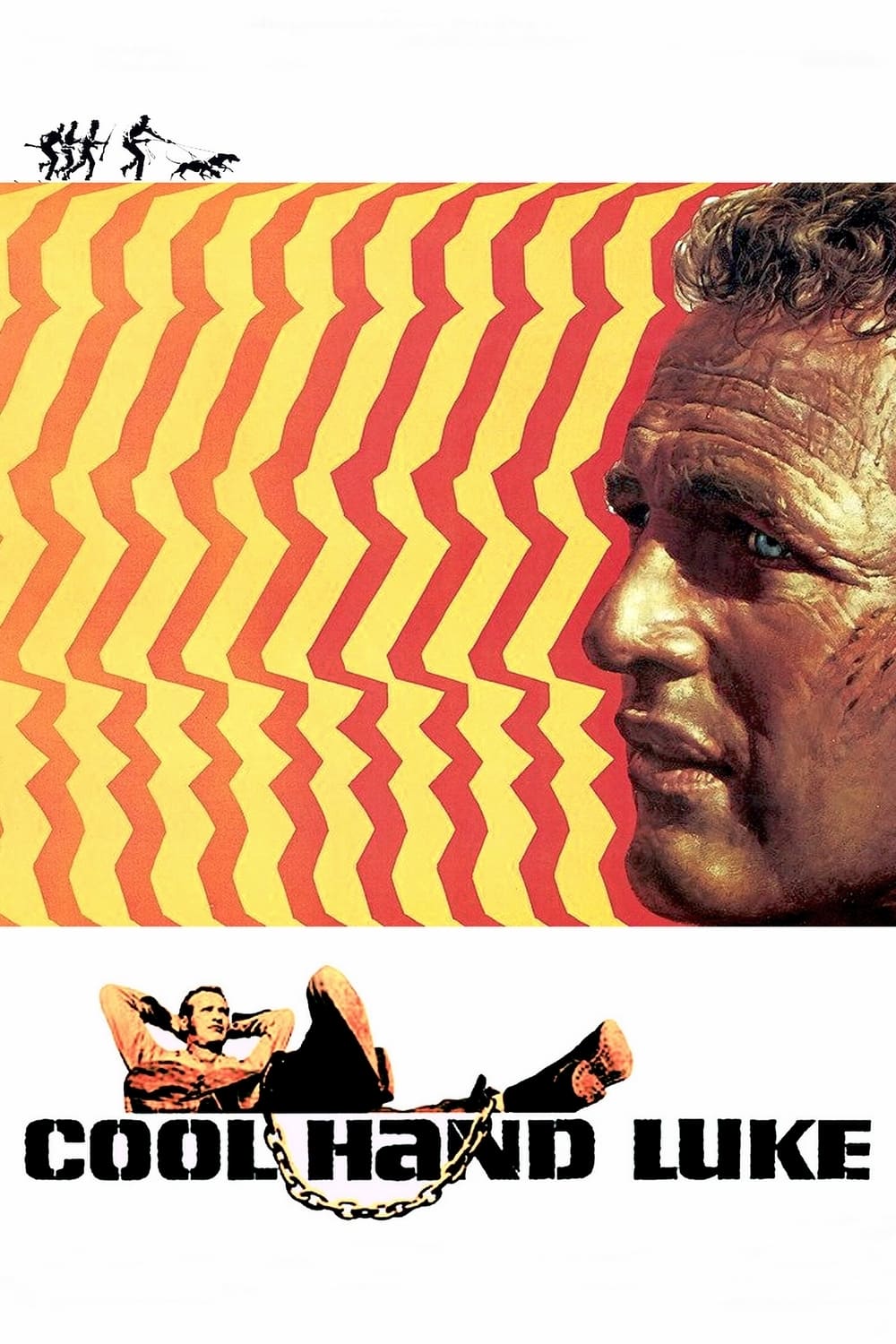
The Gaze of a Defiant Outsider
I remember the first time I watched Cool Hand Luke, I was struck not by its plot, but by an overwhelming sense of spiritual exile. It’s less a story about a chain-gang prisoner than a meditation on the very nature of rebellion—what it means to rebel not just for escape, but for the sheer insistence on one’s own dignity. I kept returning to Luke’s eyes: those piercing, searching looks Paul Newman gives the world around him. From the very first moments, the film isn’t just interested in punishment or authority—it’s obsessed with what it means to be seen and known, and ultimately, misunderstood.
Refusing the Easy Victory
If I find myself undone by Cool Hand Luke, it’s because the film never offers the kind of triumph that prison-break dramas typically promise. There is no grand liberation, no Hollywood-cliché moment of glorious escape. Luke’s victories are stubbornly interior; his greatest acts of rebellion occur in silence, in the way he refuses to crack under the pressure of the system that tries to flatten him. The act of eating fifty eggs—absurd, painful, pointless—becomes a kind of anti-heroic ritual. Everyone shouts and cheers, but the real battle is happening inside Luke. There’s no practical reward. The spectacle is a metaphor for endurance in the face of futility. I see this as the ultimate answer to the world around him: “You can make me do anything, but you cannot make me become you.”
The Rituals of Punishment
Every time the film returns to the routine of the chain gang—the digging, the filling, the endless repetition—I feel the weight of ritual as a weapon. This isn’t just physical punishment, but an existential grind. The authority figures—the Captain, the guards—aren’t just interested in keeping order. They’re obsessed with breaking the spirit, with making an example out of nonconformity. The South’s landscape, with its endless roads and brutal heat, becomes an extension of this machinery. There’s something almost religious in the process, as if the institution believes that suffering can cleanse or remake the soul. But Luke’s refusal to be ‘remade’ exposes the hollowness of this system; his resistance reveals the emptiness at its core.
Heroism in Defeat
Again and again, Luke is beaten down: physically, emotionally, spiritually. Yet, his moments of greatest grace come precisely in these moments of defeat. This paradox is what, for me, gives the film its enduring power. It’s not the grandstanding of a traditional hero, but the quiet, battered persistence of someone who keeps getting up, refusing to utterly surrender. The scene where Luke speaks to God in the church, battered and alone, is more than a crisis of faith—it’s an existential howl. He’s not asking for rescue; he’s asking to be acknowledged. In that painful monologue, his irreverent humor and deep vulnerability collide. Luke isn’t a martyr by design—he’s pushed into it by a world that demands either conformity or destruction. His death isn’t a triumphant exit but a profound statement about the cost of authenticity in a world that punishes difference.
The Language of Control
There’s a formal elegance in how Cool Hand Luke wields language as a tool of authority. The Captain’s infamous line—“What we’ve got here is failure to communicate”—is delivered with a kind of faux-benevolence, a bureaucratic coldness. I hear it as the thesis of the film. The true threat isn’t violence, but a structured misunderstanding enforced by those in power. It becomes clear that prison is simply a concentrated version of the outside world, filled with arbitrary rules and a desperate need for control. Even the inmates sense that language is a battleground; every nickname, every wisecrack, is a small resistance against institutional erasure. Unlike other prison dramas, this film doesn’t focus on camaraderie as salvation—here, solidarity is fragile, always at risk of being crushed by the system’s demands.
Faith, Doubt, and the Southern Sky
Every time Luke gazes skyward, I feel the weight of spiritual longing. Religion in this film isn’t a path to redemption, but a battleground of identity. Luke challenges God, taunts Him, even laughs at the idea of easy salvation. The rural churches, the hymns, the iconography—they’re both comforting and oppressive, mirroring the dual nature of faith in Southern life. I sense that for Luke, God is another authority figure, another Captain with inscrutable rules. Yet his plea isn’t for forgiveness, but for recognition: “Is there anyone up there?” The silence that answers him is more honest than any sermon could be. I find myself haunted by the idea that authentic faith might mean not pious obedience, but a willingness to stand alone, to wrestle with the void rather than accept easy answers.
Icons and Illusions: The Making of a Legend
As I watch Luke become a folk hero among the inmates, I’m reminded how legends are crafted in the absence of real freedom. The stories that swirl around him aren’t just exaggerations—they’re survival mechanisms. Dragline and the others need Luke to be an icon. For me, the film is deeply ambivalent about hero-making; it hints at the seductive fantasy of a savior, even as it reveals the loneliness beneath the myth. Luke tries to shrug off the burden. I see his reluctance as wisdom, the knowledge that the hero’s journey in this world is a spiral towards isolation. The camera lingers on faces—not just Luke’s, but those of his fellow prisoners—as they search for something to believe in. The real message isn’t the glory of rebelliousness, but the cost of being made into a symbol by those desperate for hope.
Masculinity, Vulnerability, and the Chains of Expectation
One of the most subversive choices the film makes is in its portrayal of masculinity. The chain gang is a world of rigid roles, enforced bravado, and barely concealed fear. Yet, Luke’s quiet defiance isn’t just about fighting authority; it’s about rejecting the masks that men are forced to wear. His humor, his gentleness, his refusal to play the alpha—all these things unsettle the established order. The boxing scene is the clearest expression of this: Luke takes a beating from Dragline, refusing to back down, not because he believes he can win, but because surrender would mean becoming someone else. I’m drawn to the way the film frames this as a kind of nakedness. The real bravery isn’t in the punches thrown, but in the willingness to be seen, battered, and unashamed.
Two More Journeys into Defiant Humanity
After every viewing, I find myself hungry for films that dig this deeply into the question of individual will versus institutional authority. If you, like me, feel the strange mix of sorrow and exhilaration at the end of Cool Hand Luke, I can’t help but recommend these two:
- One Flew Over the Cuckoo’s Nest
- The Great Escape
If you’re curious about how this film was originally perceived or how it compares to similar works of its era, these resources may be helpful.
🎬 Check out today's best-selling movies on Amazon!
View Deals on Amazon