
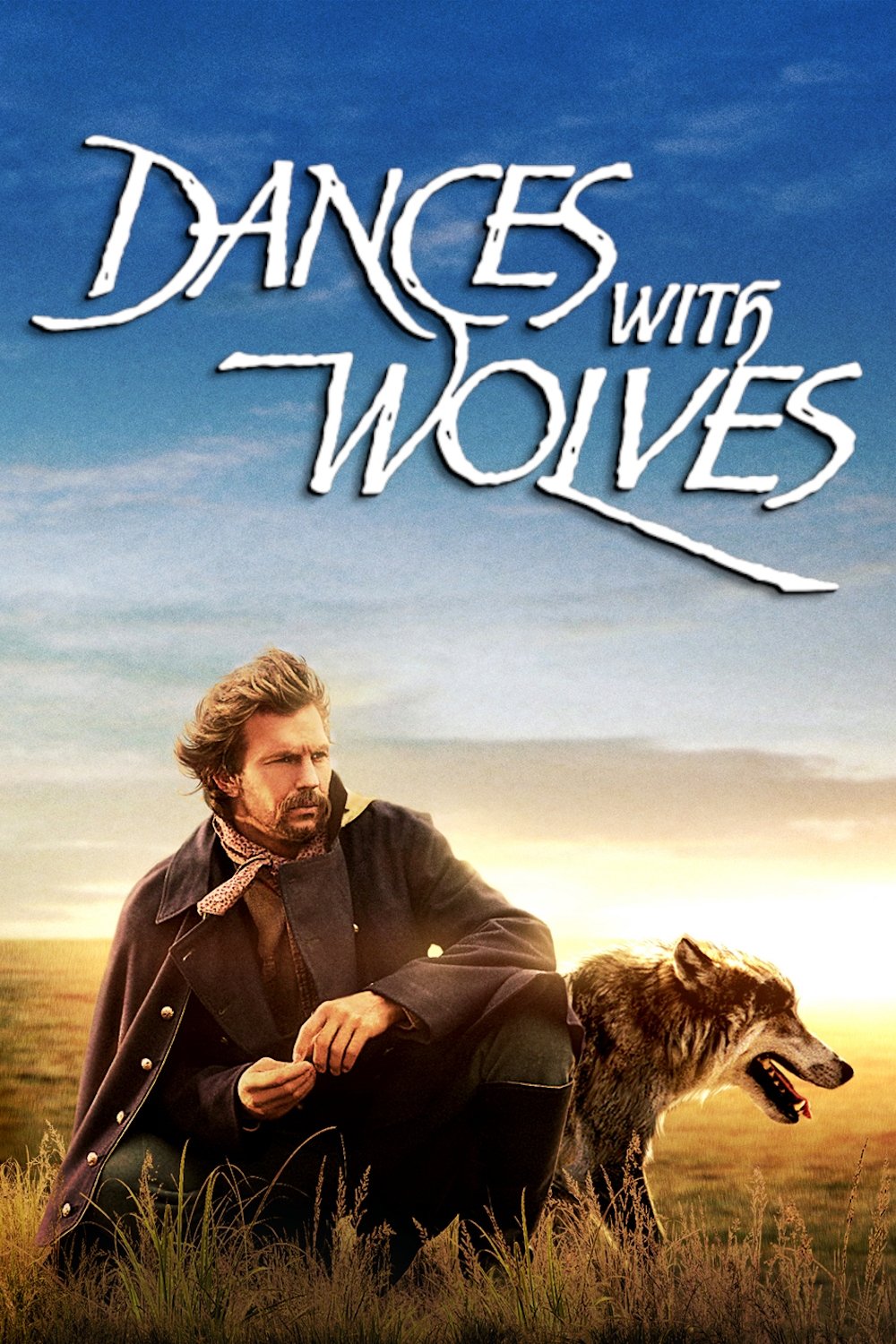
I Didn’t Want to Admit How “Dances with Wolves” Changed What I Thought I Knew
I still remember the first time I saw “Dances with Wolves,” the way the screen seemed to open into a world I never expected to care about. I didn’t set out wanting a frontier epic or a western. I certainly didn’t think I needed another white-savior narrative in my cinematic diet. Yet, by the time the credits rolled, I found myself reeling—not just from the emotional sweep of the film, but from its unhurried invitation to sit with discomfort, to question the stories I’d been told, and to see the American West through a lens that refused to settle for easy answers. This film isn’t content to just retell history; it wants me to examine the myths beneath my own skin and the values I take for granted.
The West as an Intimate Landscape of Loss
Unlike the classic westerns that gallop through arid vistas with swagger and bravado, “Dances with Wolves” lingers. The camera moves with the patience of someone falling in love with a place, not conquering it. I felt drawn into the wind-etched grasslands, not as a visitor, but as a witness to a world on the brink of vanishing. The film’s landscapes aren’t just backdrops—they become characters, testaments to what’s at stake in the collision between cultures. There’s a longing in every sunrise and a mourning in every dusk, as if the land itself knows what’s coming and grieves. By making the environment so palpable, the film gently subverts the notion of the West as an empty stage for heroics and instead frames it as an inheritance quietly slipping away.
Learning to Listen Without Translation
One of the film’s most daring choices is its pacing—its refusal to hurry the process of understanding. I was struck by how Lieutenant Dunbar’s gradual immersion among the Lakota Sioux isn’t a plot device to move the story forward, but a living metaphor for the humility required to truly listen. The film doesn’t hand me comprehension; it makes me wait, get frustrated, and then discover connection through patience and effort. Scenes of language-learning, gestures, failed attempts, and small victories are shot with a tenderness that sidesteps sentimentality. What emerges is a profound respect for the complexity of communication and the dignity of the “other” that so many films flatten into caricature. Every word earned between Dunbar and the Sioux feels like an act of resistance against the erasure of Native voices in American cinema.
The Seduction and Cost of Belonging
I couldn’t shake the sensation of being pulled in two directions—rooting for Dunbar’s integration into Sioux life, while feeling the tension of what that act represents. His transformation from soldier to “Dances with Wolves” isn’t a one-way journey; it’s a tightrope walk between admiration and appropriation, empathy and intrusion. There’s a seduction in the idea of being welcomed by a community not your own, but the film never lets me forget that such belonging comes at a price—not just for the outsider, but for those who make space for him. The camera lingers on the faces of Sioux elders and children, their openness tinged with a wariness born of history. The film refuses to render this crossing as uncomplicated virtue, inviting me to ask where the line lies between genuine alliance and the consumption of someone else’s world.
The Gaze That Shifts: Who Gets to Tell the Story?
As a viewer steeped in decades of westerns, I was hyper-aware of who holds the camera and whose narrative gets center stage. “Dances with Wolves” complicates this dynamic, never fully escaping the trappings of a story told through white eyes, but reaching for something more honest than I expected. The act of framing the Sioux not as foils, villains, or mystic guides, but as complicated, humorous, and fully human, is itself a subversive gesture in a genre that rarely afforded such dignity. Still, the film’s self-awareness is double-edged: its attempts at sensitivity sometimes chafe against its limitations, but those awkward edges force me to reckon with my own uneasy relationship to who gets to narrate history. The narrative’s earnest striving becomes its own kind of confession, a cinematic admission of the limits of empathy and the ongoing cost of inherited blindness.
Violence, Grace, and the Space Between
While “Dances with Wolves” is remembered for its sweeping beauty, what lingers longest in my memory are the moments of violence—quick, shattering, and never glorified. The violence in this film isn’t just physical; it’s the violence of misunderstandings, the casual brutality of bureaucracy, and the silence of erasure. When the bullets fly, the camera doesn’t linger on choreography but on aftermath: the shock, the grief, the irrevocable change. Conversely, grace in the film comes quietly—in shared meals, tentative laughter, and the act of trusting a stranger. What elevates the film is its acknowledgment that these two forces—violence and grace—are always intertwined, and that redemption isn’t guaranteed simply by intention. This interplay urges me to question the easy redemptions and binaries that so often define American mythmaking.
Animals, Names, and Becoming Something Else
The title itself is poetry and prophecy. The act of naming—Dunbar’s transformation into “Dances with Wolves”—carries an almost mythic weight. This isn’t just a nickname; it’s a declaration that identity is porous, mutable, and shaped by relationship to the world and its creatures. The recurring motif of the wolf—half-wild, half-domesticated, never fully tamed—mirrors Dunbar’s own search for a place outside the boundaries drawn by nation and rank. I found myself obsessed with these moments: the wolf circling the campfire, the silent recognition in the eyes of animals and men alike. Names in this film are not trophies but confessions, reminders that to become something, you must let go of something else.
Refusing the Comfort of Closure
I respect—and am haunted by—the film’s unwillingness to provide an easy ending. The final scenes leave me suspended between hope and despair, a sense of beauty gained and irrevocably lost. There is no triumph in Dunbar’s departure, only the knowledge that the tide of history is unstoppable and that individual acts of love or courage may not stave off collective tragedy. Yet, in the flickering warmth of the fire, in the bonds formed and promises broken, there’s an insistence that stories matter, even if they can’t undo the past. What “Dances with Wolves” is really trying to say is that empathy can’t rewrite history, but it can illuminate its costs, its sorrows, and the rare moments of connection that survive the wreckage.
For Those Who Want to Keep Walking These Plains
When the credits ended, I found myself seeking out stories that challenged, complicated, or enriched my understanding of this film’s legacy. Two classics that stand tall in the same bittersweet light are “The Last of the Mohicans” and “Jeremiah Johnson.”
If you’re curious about how this film was originally perceived or how it compares to similar works of its era, these resources may be helpful.
🎬 Check out today's best-selling movies on Amazon!
View Deals on Amazon