
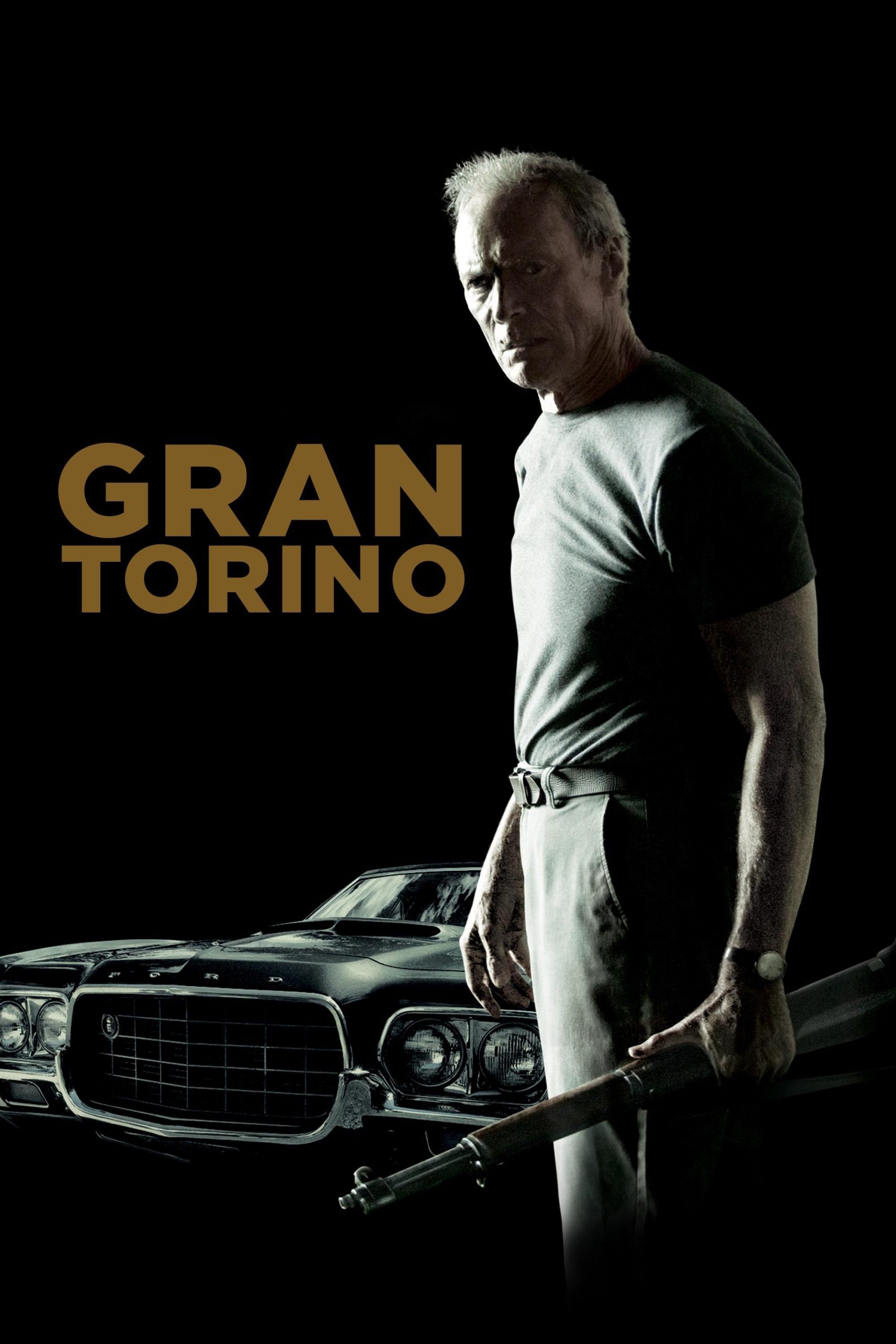
When I first encountered “Gran Torino,” I wasn’t drawn by its reputation or its director’s storied history, but by the faint echo of old American toughness I sensed in Clint Eastwood’s lined face on the poster. The promise of witnessing a man’s battle against his own obsolescence and the changing world around him is what gripped me. I saw in Eastwood’s Walt Kowalski not just a character, but a relic of postwar realities who had been shuffled quietly to the margins. This is why “Gran Torino,” for me, became more than a film—it was an excavation of decaying certainties, an autopsy of a certain kind of American masculinity, and a meditation on the possibility of redemption in the unlikeliest corners of suburbia.
What the Film Is About
At its heart, “Gran Torino” is a portrait of generational and cultural collision, played out in the shadow of a ruined Detroit neighborhood. Walt Kowalski, a Korean War veteran and retired Ford worker, mourns the world he helped build—a neighborhood eroded by time, a family he cannot reach, and a society increasingly unrecognizable to him. The emotional core of the film emerges when Walt, initially repulsed by his Hmong neighbors and the violence encroaching on his porch, is compelled to act—first out of irritation, then out of begrudging kinship.
For me, the film’s central conflict is not between Walt and the neighborhood gangs, nor even between old guard and new immigrants. It is the churning battle inside Walt himself—a man stifled by prejudice, grief, and guilt, wrestling with whether or how he can evolve. The journey is an unhurried stripping away of Walt’s armor, revealing a capacity for change buried under decades of pain. The film speaks to the agony and necessity of transformation, but also to the cost it exacts.
What “Gran Torino” seems to be saying, as I see it, is that redemption is possible only through engagement with “the other,” and that America’s future, for all its violence and misunderstanding, can be forged not by force, but by sacrifice and the recognition of shared humanity.
Core Themes
The theme that resonates most deeply with me is redemption through sacrifice. Walt Kowalski, plagued by his own racist past and haunted by memory, seeks atonement in a world he no longer understands. Unlike the easy redemption arcs common in melodrama, Walt’s deliverance is neither simple nor pain-free; it is a process that costs him profoundly. Watching him slowly dismantle his own prejudices—with glimmers of humor, humility, and anguish—reminds me how rare it is for films to allow their heroes to be so deeply flawed yet still aspire to honor.
Another deep current is the immigrant experience in America. The Hmong neighbors—treated as “outsiders” by Walt and, initially, by the viewer—eventually come to symbolize resilience and intergenerational hope. By 2008, themes of identity, race, and the myth of the “melting pot” gained renewed urgency in American discourse, reflecting growing anxieties about shifting demographics. Even today, as we grapple with notions of “belonging” in increasingly plural societies, the emotional core of “Gran Torino” only sharpens its relevance. It’s the rawness of Walt’s racism, gradually chipped away by proximity and genuine kindness, that underlines how change often happens not in grand gestures, but in halting, uncomfortable steps.
Finally, I find the film’s handling of masculinity—its burdens, its failures, its possibilities—equally vital. Walt’s entire identity is constructed on a notion of strength as silence, of dignity as endurance, of decency as self-reliance. Watching him unlearn these lessons at the eleventh hour is both painful and moving, exposing the hollowness of a life spent grasping at once-useful codes. In today’s world, where conversations about toxic masculinity rattle ever more loudly, the poignancy of Walt’s near-wordless evolution is unmistakably sharp.
Symbolism & Motifs
“Gran Torino” is, above all, a film suffused with symbols that speak to the rot and renewal of the American Dream. The car itself—Walt’s mint-condition 1972 Ford Gran Torino—serves as a talisman of lost glory. For me, it doesn’t just represent a tangible link to Walt’s past as a Ford worker; it stands in, much more importantly, for everything he once believed in: pride of craftsmanship, American workmanship, and the hard-won spoils of honest labor. When that car shifts from being a trophy to a legacy he can bequeath, it encapsulates Walt’s own evolution—shedding self-preservation for genuine, transformative generosity.
The confessional scenes also carry profound symbolic weight. Walt’s reluctant visit to the priest and confessions both literal and psychological signal a man taking inventory of his sins and failures. The confessional booth becomes a crucible of both shame and the first stirrings of hope, not through religious dogma, but through sincere grappling with his own culpability. In a secular sense, these moments show the power of unburdening and mediation as tools of self-actualization.
There’s also the recurring motif of doors and thresholds. Time and again, Walt is shown opening his own front door—sometimes with a loaded shotgun, sometimes with cups of lemonade—emphasizing the permeability of boundaries between “us” and “them.” Each step across that threshold is loaded with ambivalence, but ultimately these doorways become spaces of transformation. Through my lens, this quietly persistent visual motif crystallizes the film’s belief in the possibility of bridging divides, even when it’s uncomfortable or risky to do so.
Key Scenes
The Encounter on the Porch: Violence Meets Vigilance
Early in the film, Walt confronts the gang members threatening his Hmong neighbors by pointing a rifle and growling his now-famous line. That moment, for me, is pivotal—not because of its gunplay, but because it marks the rupture between Walt’s isolation and his reluctant sense of responsibility. Here, the film leverages the archetype of Eastwood’s cinematic legacy—tough, righteous, violent—but then gradually subverts it through the rest of the story, making this quick draw feel almost like a feverish echo of bygone heroics rather than a solution. It’s a scene of unease, setting the tone for a narrative that’s more about defusing violence than escalating it.
Lemonade and Laughter: Crossing the Social Divide
One of the most meaningful sequences unfolds when Walt is invited to a Hmong family barbecue. The sight of Walt, stiff and deeply uncomfortable, gradually relaxing amid unfamiliar jokes and gentle needling by his hosts, feels transformative. I love how the film lingers on food, language, and small gestures here—affirming the radical possibility of intimacy across cultures. That moment, as Walt lets himself laugh for the first time since his wife’s death, radiates both hope and sadness; it demonstrates that belonging is available, if only one is willing to risk vulnerability.
The Final Confrontation: Atonement Without Retaliation
The climactic scene, in which Walt sacrifices himself to protect the neighborhood from the gang, upends the conventions of vigilantism. Where most films would close with a violent catharsis, “Gran Torino” quietly insists on sacrifice, not revenge, as the highest form of manhood and citizenship. Walt’s death is not martyrdom for its own sake, but a calculated act that exposes his foes and saves the next generation. For me, this is the moment that truly elevates the film, reframing heroism as a willingness to absorb suffering rather than inflict it—a message that lingers long after the credits roll.
Common Interpretations
Many critics have interpreted “Gran Torino” as Eastwood’s meditation on his own career in American tough-guy cinema. With the character of Walt Kowalski, some see Eastwood deconstructing his legacy—the Dirty Harry persona aging, softening, and finally renouncing violence for moral reckoning. It’s a reading I appreciate, as there are metatextual pleasures in watching Eastwood grapple with his archetype, but I’m wary of flattening the film into a mere swan song for a single actor-director icon.
Other readings focus on the film as a redemption story, with Walt as the grizzled racist who achieves absolution through self-sacrifice. While I respect these interpretations, I find them somewhat facile without acknowledgment of the film’s persistent ambivalence. The story never suggests that Walt is wholly redeemed, nor does it paper over the damage he’s wrought in his earlier life. His transformation is partial, hard-earned, and incomplete. What interests me far more is the film’s refusal to let anyone off the hook cheaply—Walt’s legacy is not clean, and the neighborhood’s wounds are not magically erased.
Finally, some criticize the film for indulging in white savior tropes. While I see the troubling outlines of this pattern, I believe Eastwood intentionally complicates the equation. Walt is not a savior in the cinematic sense—his actions are desperate, fraught, and ultimately self-negating. The agency, resilience, and hope embodied by the Hmong characters, especially Thao and Sue, are given genuine narrative weight. Still, it’s a tension that haunts my own readings of the film, and one that modern viewers should not ignore.
Films with Similar Themes
- “Unforgiven” (1992) — Eastwood revisits the myth of violence and redemption, but with a Western backdrop. Both films examine the cost of heroics and the burden of regret.
- “A History of Violence” (2005) — This film dissects the aftermath and legacy of violence within family and community, asking whether one can truly leave behind a troubled past.
- “American History X” (1998) — Like “Gran Torino,” this movie probes the roots of prejudice and the difficult road to transformation and atonement.
- “Crash” (2004) — In its portrayal of racial tension and interwoven lives in Los Angeles, “Crash” echoes “Gran Torino” in its search for connection amidst discord and distrust.
Conclusion
I believe that “Gran Torino” deserves to be viewed today not only as a star vehicle or a morality play, but as a rough and vital meditation on the ever-changing American neighborhood. Approaching the film with awareness of its tensions—its empathy for change, its honesty about ugliness, and its refusal to grant easy closure—invites a richer experience. For me, understanding these nuanced themes magnifies the emotional impact of the story and challenges us to ask uncomfortable, necessary questions about compassion, change, and what we owe each other as neighbors. Watching “Gran Torino” now, I find its message as urgent and complex as ever.
Related Reviews
If you found value in my perspective, you might also enjoy exploring my thoughts on other cinematic landmarks such as “Unforgiven” and “American History X”.
To broaden this interpretation, you may also explore how critics and audiences responded over time.
🎬 Check out today's best-selling movies on Amazon!
View Deals on Amazon