
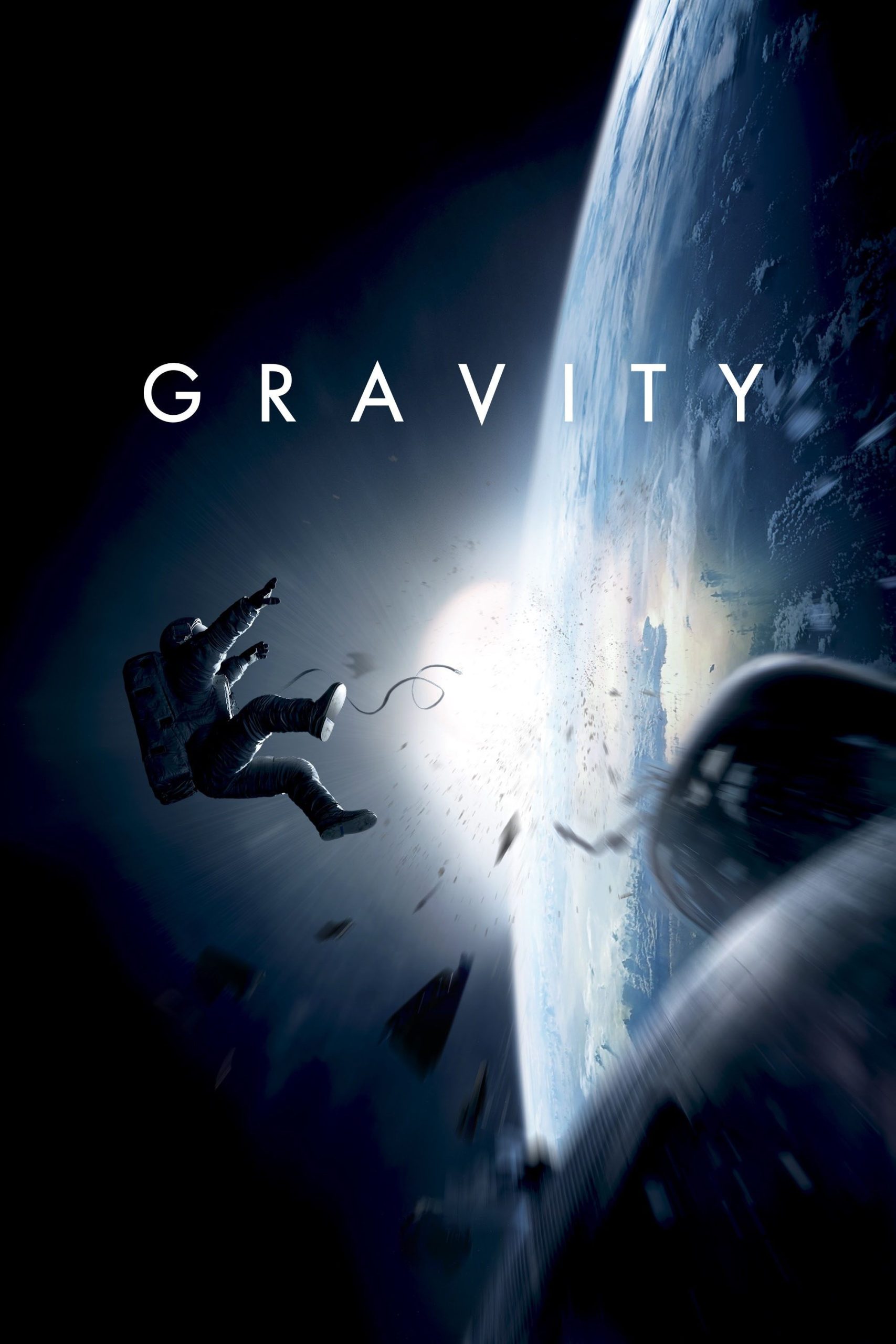
I can’t look up at the night sky the same way since first seeing “Gravity.” I remember leaving the theater, my head spinning with the sort of awe and fatigue reserved for moments after I’ve truly held my breath. The feeling wasn’t awe in the usual sense—there was no comfort in “space as frontier.” What I felt, instead, was an overpowering sense of fragility and loneliness, a stark confrontation with terror and transcendence that movies rarely attempt. In “Gravity,” everything familiar is stripped away, and I am left floating in an abyss, forced to reckon with mortality, hope, and the daunting power of rebirth.
What the Film Is About
On its surface, “Gravity” follows Dr. Ryan Stone—a medical engineer adrift after a catastrophic mission failure—through a string of increasingly impossible situations. But for me, the movie’s technical brilliance serves only as a scaffolding for an intimate, existential drama. The real journey is not about returning to Earth, but about reclaiming the will to live in the face of unfathomable despair.
What strikes deepest is the film’s emotional topography: Stone’s vulnerability is palpable, heightened by her inexperience in space and profound grief over her daughter’s death. The hostile silence of space stands in stark contrast to the inner turmoil she barely contains. The central conflict—the fight to survive—is not only against the void but against emotional inertia. “Gravity” invites me to question what it takes to keep moving when apathy suggests surrender. Cuarón’s minimalist narrative transforms cosmic emptiness into a metaphor for personal loss, isolation, and, ultimately, the slow, painful steps toward acceptance and resilience.
Core Themes
To me, the main theme is rebirth—the shedding of trauma through exposure to one’s most profound fears. The film weaves a narrative tapestry of survival, redemption, and transformation, questions I find inescapable both in and out of the auditorium. It’s not really a story about NASA, but about what it means to be so far from home—physically, emotionally, spiritually—and to claw one’s way back.
These themes resonated in 2013, a time of global uncertainties when the world seemed teetering between collapse and recovery. Stone’s emotional journey echoed a collective unease; her struggle felt universally legible: the choice to move forward, push away from the debris, and embrace an uncertain return. Even now, that metaphor feels freshly relevant—when the world’s spinning out of control, I see in “Gravity” a call to find purpose amidst calamity.
Symbolism & Motifs
The film’s imagery is awash with visual metaphors—none more striking than the motif of birth and rebirth. I recall Stone curled in the fetal position within the airlock, tethered like an astronaut’s umbilical cord, evoking our most primal sense of safety. This moment, for me, clarifies the entire arc: space as womb and tomb, paradoxically threatening and nurturing.
Another recurring motif is the motif of detachment. The film amplifies this both through physical action—Stone repeatedly untethers herself from craft, cables, and people—and through the almost oppressive use of silence. Detachment, in this context, is both the precursor to annihilation and a necessary prelude to rebirth.
The ever-present debris cloud also haunts the film’s structure, representing the inescapable past and constant threat of annihilation. Its cyclic, looming arrival punctuates Stone’s ordeal, a manifestation of trauma that forces her to respond, adapt, or perish.
Key Scenes
Orbits of Catastrophe: The Destruction Sequence
The initial catastrophic collision remains, in my experience, a masterclass in cinematic immersion. As pieces of the Shuttle are ripped apart, Cuarón delivers terror as a sensory onslaught—a vivid demonstration that, in space, the line between life and oblivion is agonizingly thin. This scene shatters any comfortable illusion of safety and thrusts both Stone and the audience into pure, unfiltered survival mode. That raw immediacy is precisely why the moment lingers for me long after the credits.
Heartbeat in the Void: The Airlock Rebirth
After a relentless sequence of close escapes, Stone enters a space station’s airlock, where she uncoils into a fetal pose and floats in a moment of sudden silence. The peaceful image lasts only a few seconds, yet contains the film’s entire meditation on vulnerability and regeneration. Here, I feel the paradoxical safety and nakedness of beginning again; it’s as if Stone must first regress before the possibility of new life can emerge.
Illusion and Resolve: The Clooney Apparition
In what seems like Stone’s final surrender, she hallucinates George Clooney’s Matt Kowalski returning to spur her on. This is not just a clever narrative device, but a crystallization of her internal struggle. The “return” is a jolt, forcing Stone to choose—to listen to despair or improvise and fight all the harder. This psychological pivot, staged in grim solitude, is, to me, the film’s core: salvation must arise from within, even when self-belief feels out of reach.
Common Interpretations
Many critics interpret “Gravity” as an ode to human ingenuity and resilience, a survival thriller with philosophical ambitions but ultimately a straightforward narrative arc. The technical triumphs—long takes, immersive sound design, digital artistry—are rightfully celebrated for pushing the boundaries of cinema. Others point out the “minimalist plot”—a concern I find misses the point, as the sparseness is essential for the film’s emotional force.
The spirituality in “Gravity,” often discussed in terms of religious allegory or mythic trial, sometimes draws skepticism. I relate to these readings but see something more personal: for me, the film’s greatest success is its honest depiction of grief and the psychological journey from devastation to acceptance. “Gravity” isn’t a paean to technical heroism, but a reckoning with what’s left when all supports are stripped away.
Films with Similar Themes
- 2001: A Space Odyssey – Both films use the emptiness of space to explore existential transformation, albeit through different mediums: Kubrick chooses abstraction, Cuarón emotional immediacy.
- Moon – Like “Gravity,” “Moon” contemplates isolation, identity, and the struggle to find meaning in an uncaring universe.
- The Revenant – A terrestrial survival story, but the same themes of pain, resilience, and rebirth resonate throughout both films.
- All Is Lost – This minimalist tale of a man alone at sea parallels Stone’s battle with adversity, each a visceral confrontation with mortality and the will to live.
Conclusion
Watching “Gravity” today, I think viewers should approach it not merely as a spectacle, but as a radical meditation on survival and self-renewal. The film’s resonance comes not only from its nerve-rattling set pieces, but from its authentic confrontation with loss and the courage needed to return from the edge. Understanding these themes deepens the gravity—pun intended—of the visual marvel, anchoring spectacle with profound human truth. Few films so thoroughly strip their protagonists (and audience) down to the core and ask: once all else is gone, what remains worth fighting for?
Related Reviews
If you found value in my perspective, you might also enjoy exploring my thoughts on other cinematic landmarks such as Solaris and All Is Lost.
To broaden this interpretation, you may also explore how critics and audiences responded over time.
🎬 Check out today's best-selling movies on Amazon!
View Deals on Amazon