
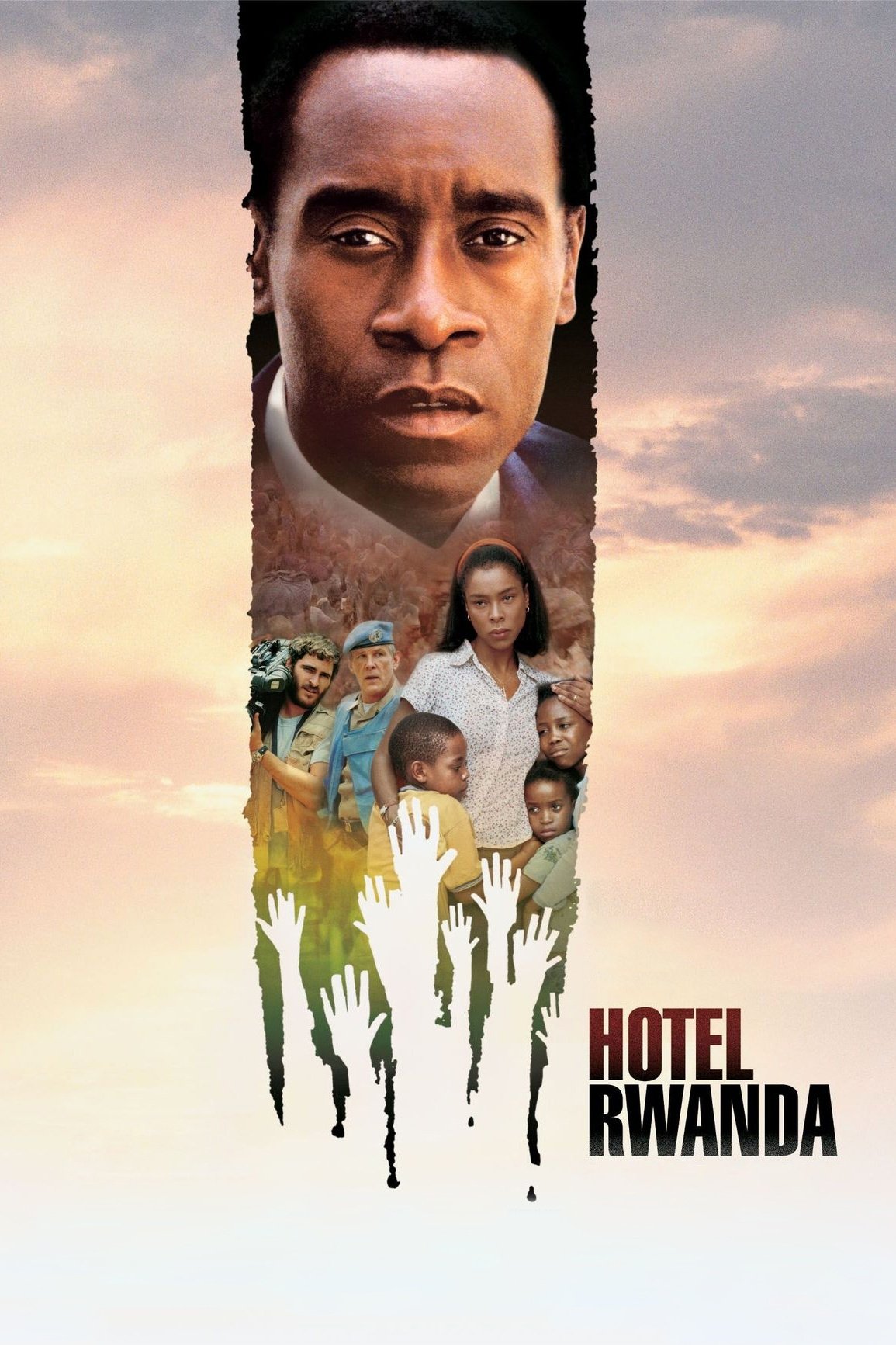
Splinters of Conscience at the Mille Collines
I have never been able to shake the disquiet that settles in my chest when I remember my first viewing of “Hotel Rwanda.” The film doesn’t just unfold onscreen; it gets under my skin, gnaws at my sense of global awareness, and challenges the moral foundation of what I thought I knew about heroism and complicity. The story of Paul Rusesabagina, as depicted by Don Cheadle’s quietly commanding presence, is not simply the tale of one man sheltering lives in a desperate time. The film compels me to confront how human decency wars with self-preservation in the face of unimaginable horror.
The Weight of Survival
What struck me most deeply is how survival in “Hotel Rwanda” is never painted in broad, triumphant strokes. Instead, it’s soaked with guilt, hesitation, and the bitter aftertaste of empathy rationed by circumstance. Paul’s ingenuity and diplomacy are never romanticized; each favor he calls in, each trick he deploys to safeguard the refugees under his roof, is charged with impossible stakes. His choices illuminate how the urge to protect one’s immediate circle both sustains and corrupts the soul during atrocity. There’s a spiritual heaviness in watching Paul’s universe shrink—family, then neighbors, then strangers—into a single, besieged sanctuary, and knowing that protection is always finite, always bought at a price.
Bureaucracy and Betrayal: The Faceless Gatekeepers
It’s easy to believe that evil comes with fangs and fire, but in “Hotel Rwanda,” evil is most often faceless—a bureaucracy of shrugs and signatures, foreign accents over crackling radios, and the bland, composed faces of peacekeepers who won’t engage. I still remember the chill when the film’s UN colonel explains to Paul, almost apologetically, that the world sees him—and the hundreds of lives in peril—as nothing more than a distant, unfortunate spectacle. What the film says, without needing to shout, is that the machinery of inaction is as lethal as the machete. The quiet betrayal of the international community, the way aid is calculated, measured, and withheld, stings sharper than any violence shown onscreen.
The Boundaries of Empathy
For me, one of the film’s most aching subtexts is its interrogation of empathy: how much can we feel before we close ourselves off? Paul’s initial motivation is deeply personal—his wife, his children, his home. As the hotel fills with terrified faces and desperate pleas, there’s a palpable stretching of his emotional endurance. The film’s camera lingers on Paul’s eyes, searching and scared, as if asking: how far does compassion reach before it starts to break us? I think “Hotel Rwanda” argues that compassion is not infinite, not for any of us, and that this finitude, this exhaustion of feeling, is part of how horrors are allowed to happen. We become too weary to keep caring, and so we stop.
The Banality of Heroism
There’s a dangerous myth in how films often depict saviors: larger-than-life, fated for greatness, always sure of themselves. “Hotel Rwanda” instead gives us a man who doubts, hesitates, and even bargains with the very people orchestrating genocide. Paul’s heroism emerges not from certainty but from small acts of courage, transactional choices, and desperate improvisations. He’s not a saint; he’s simply a person refusing, moment by moment, to surrender his humanity to the flood of brutality outside the hotel gates. The film seems to whisper that perhaps heroism is just the refusal to stop being human when the world insists that you must.
Cultural Identity Under Siege
It’s impossible to ignore how “Hotel Rwanda” stages the struggle for cultural identity amid colonially-imposed divisions. The film doesn’t reduce the genocide to abstraction or statistics, but roots it in the lived intimacy of Hutu and Tutsi neighbors, colleagues, and friends. By showing how artificial lines—drawn decades earlier by outsiders—erupt into bloodshed, the film forces me to see the enduring violence of colonial “othering” and the perverse power of identity politics in shaping destinies. Paul is not immune from these rifts; he navigates them, sometimes exploiting them, always haunted by their consequences.
Hope as a Rebellious Act
What lingers, long after the credits, is the sense that hope in “Hotel Rwanda” is neither easy nor pure. It is stubborn, sometimes irrational, frequently painful. I watched Paul cling to hope—not because he believed the world would intervene, but because abandoning hope would mean surrendering to despair’s authority. The film suggests that hope, in such a context, becomes an act of rebellion, a refusal to let violence dictate the limits of possibility. Though the world’s indifference is overwhelming, the flicker of hope in Paul and those he saves is enough to defy the logic of annihilation, if only for another day.
Memory and the Weight of Bearing Witness
I am haunted by the idea that to watch “Hotel Rwanda” is to become a witness, to share—if only fleetingly—in the burden of memory. The film refuses to offer easy catharsis or let me retreat into abstraction. It insists that remembering is itself an ethical act, a form of resistance against the erasure of suffering. In chronicling one hotel manager’s odyssey, the film indicts all those who looked away, and calls on me, as a viewer, not to do the same. The weight of memory is heavy, but it is necessary.
Two Films That Echo The Moral Urgency
When I search for other works that stir the same sense of responsibility and challenge my complacency with such gravity, I return to “Schindler’s List” and “The Killing Fields.” Both films, in their unique ways, confront me with the limits of intervention, the ambiguities of survival, and the shattering consequences of global apathy.
If you’re curious about how this film was originally perceived or how it compares to similar works of its era, these resources may be helpful.
🎬 Check out today's best-selling movies on Amazon!
View Deals on Amazon