
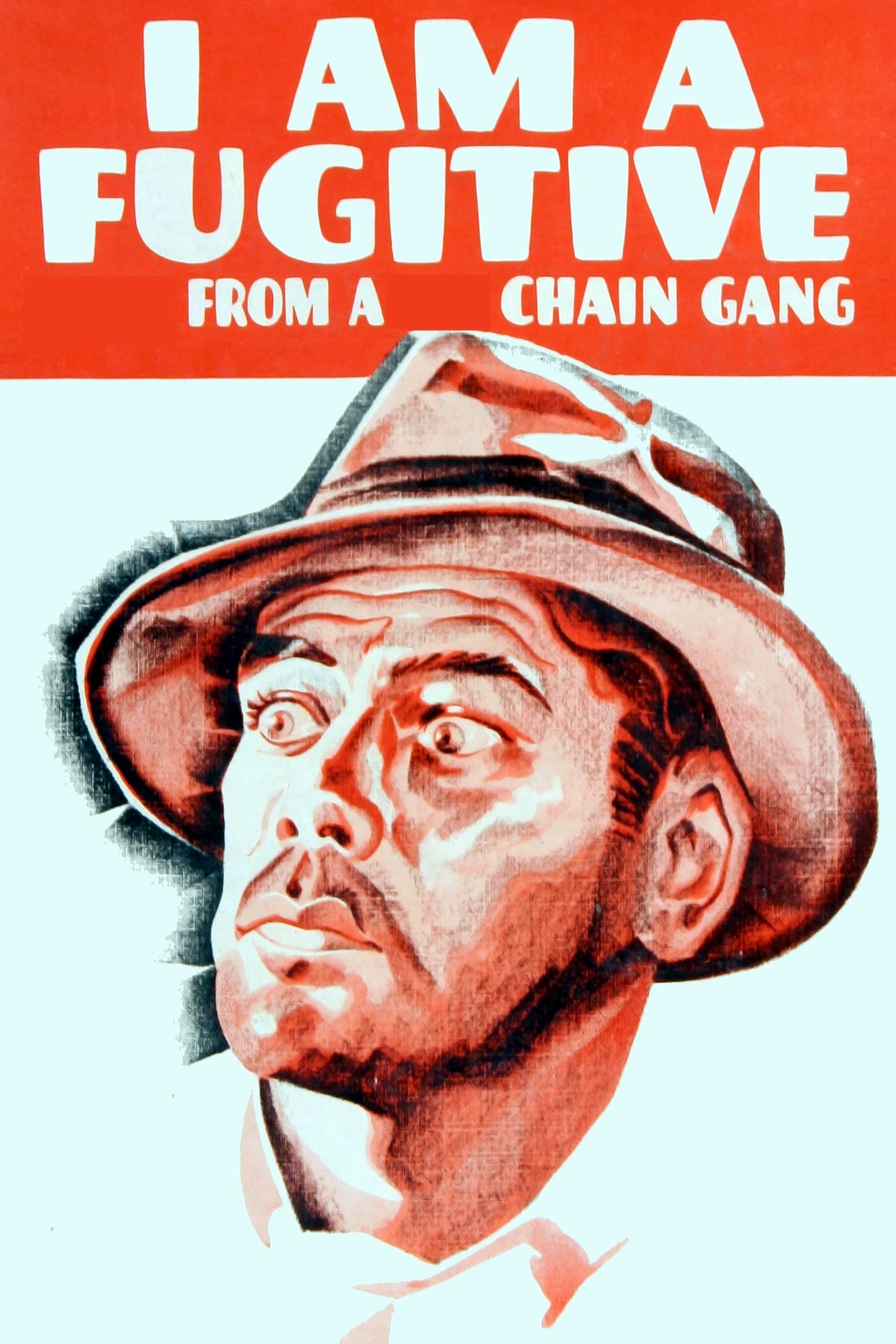
Watching “I Am a Fugitive from a Chain Gang” for the first time as a young college student, I was struck by a sense of raw outrage—a sensation I rarely encounter, even in the most combative of pre-Code films. My professors assigned it as a historical text, but what I absorbed instead was a deep, unnerving familiarity. Here was a movie that refused to flatter hope, denying both its protagonist and its audience the expected catharsis. It rattled my trust in the very notion of justice—how it is promised, and how it so often collapses under its own corruption. More than ninety years have passed since its release, but the film’s howl against institutional cruelty still echoes, and each time I revisit it, I am reminded that some wounds in society heal far too slowly.
Unpacking a Relentless Struggle for Dignity
At its core, “I Am a Fugitive from a Chain Gang” follows James Allen’s desperate attempt to carve out an honest, meaningful life after returning from World War I. Yet every step he takes is met by an unyielding social barrier, personified most viscerally in the barbaric penal system that drags him down. To me, the film is less about escape and more about the erosion of personhood—about the way systems grind individuals into anonymity and break their will, not just their bodies.
What I find most gripping about Allen’s journey is how swiftly the American promise of self-reinvention transmutes into a harrowing ordeal. The emotional impact comes not merely from his physical suffering, but from the gradual stripping away of his hope, his sense of being part of any just order. Instead of a straightforward condemnation of prison or a crime thriller, the film reads, through my eyes, as an existential odyssey: a man’s fight to retain some scrap of dignity in the face of state-sanctioned violence and bureaucratic indifference. The conflict is not only with his jailers, but with the passivity of a society willing to look away.
Persistent Questions Beneath the Surface
The themes that reverberate most urgently in “I Am a Fugitive from a Chain Gang” revolve around power, injustice, and the fragility of individual agency against institutional might. The system’s capacity for both cruelty and self-perpetuation struck a nerve with depression-era audiences who themselves faced mounting economic despair and distrust in government institutions. Allen’s futile appeals to conscience and law feel especially relevant today, in an era equally suspicious of systemic accountability.
To me, the film is obsessed with the idea of identity disintegration under pressure. Allen’s slow obliteration, from optimistic war veteran to hunted phantom, is what continues to haunt. I also sense a powerful commentary on societal complicity—how communal silence ensures the perpetuation of injustice. In 1932, this message was radical, at a time when cinema itself was only beginning to discuss the realities of prison condition and social inequity. It’s startling how much Allen’s hopelessness foreshadows today’s debates on mass incarceration and recidivism, making the film not an antique curiosity, but a pointed, contemporary provocation.
Visual Cues and Recurring Images
Looking closely, I’ve found that chains themselves are the dominant motif, both literal and symbolic. From Allen’s first sight of shackles clamped around prisoners’ ankles to the clanking sound that shadows him throughout, the chain recurs as a haunting symbol of society’s grip—physical and psychological—on the outcast. Director Mervyn LeRoy’s visual framing often traps Allen behind bars or fencing, confirming that the prison follows him into every civilian moment.
There’s also the recurring use of mud and rain-soaked landscapes, especially during Allen’s flight. The relentless, miry work detail scenes are more than background squalor—they visually reinforce the degradation and the sense of endless, Sisyphean struggle. Finally, I often return to the motif of light and darkness as moral terrain: Allen’s face moving in and out of shadow as he grapples with decisions, the jail interior shot in harsh chiaroscuro, and the final scene engulfing him in blackness, literally and figuratively. These touches deepen the sensation that no escape is ever truly possible.
Moments That Define the Narrative
A Veteran’s Homecoming Turned Nightmare
The early stretch where Allen returns to civilian life—walking streets lined with shuttered factories, encountering doors slammed in his face—might seem understated, but it provides the film’s emotional cornerstone. The crushing of postwar optimism that unfolds in these scenes crystallizes the gap between ideals and realities. Allen’s gradual shift from hopeful jobseeker to accused fugitive is played with astonishing subtlety by Paul Muni, and it’s this quietly mounting despair that prepares us for the nightmare to come.
The Brutality of Forced Labor
The work camp sequences still chill me on every viewing. LeRoy’s documentary-style staging—ahead of its time—immortalizes the systemic dehumanization faced by Allen and his fellow inmates. The image of men hunched over rocks, sweating, gasping, and ultimately breaking under the watchful eye of armed guards, is the film’s bleakest indictment. What stands out is the utter indifference to individuality: every man is reduced to muscle and number, background noise in the bigger orchestra of institutional cruelty.
A Final Plea in the Shadows
The final encounter between Allen and his beloved, shrouded in shadow, is legendary for good reason. With his face recoiling from the faintest hint of light, Allen’s tormented whisper—“I steal.”—delivers the film’s most lingering existential blow. There’s no neat ending here, no redemption, no closing comfort: only the admission that society has forced him into perpetual darkness. This stark refusal to provide closure is the film’s defining act of moral honesty, and every time I watch it, I am floored by the courage it takes to look away from the light.
Where Critics Land Versus My Experience
Most critics have long read “I Am a Fugitive from a Chain Gang” as an outcry against penal injustice—a foundational work for legal reform and depictions of criminality in cinema. While those readings are accurate, I often feel they give short shrift to the existential toll the film enacts on its protagonist. For many, the chain gang is an emblem of a broken legal system; for me, it is also a metaphor for every mechanism by which society expels, forgets, or destroys “failed” citizens.
Another common interpretation focuses on the film’s role in pushing Hollywood into more confrontational social commentary in the early 1930s. I agree, but I view its enduring power as rooted not just in its politics, but in its unapologetic emotional carnage. It’s not simply that Allen is trapped by the state—he is unmade by it, and we are asked frankly whether there’s anything left to save. The film’s refusal to offer catharsis, for me, is more harrowing and thus more truthful than any happy ending could ever be.
Cinematic Siblings: Kindred Spirits in the Archive
- Cool Hand Luke (1967) – Both films dissect the struggle of the individual against a punitive, impersonal prison system, spotlighting the indomitable human spirit versus systemic oppression.
- The Shawshank Redemption (1994) – Like “Fugitive,” this film is preoccupied with hope amid institutionalized degradation, and the complicated trade-offs one must make to survive captivity.
- Papillon (1973) – Steve McQueen’s saga echoes Allen’s with its relentless, nearly mythic pursuit of freedom against a system intent on erasing its prisoners’ identity.
- Brute Force (1947) – Jules Dassin’s noir explores how incarceration warps morality and pushes men toward desperation—an evolution of the arguments found in LeRoy’s film.
Enduring Lessons for the Modern Viewer
Even now, “I Am a Fugitive from a Chain Gang” demands more from me than mere admiration. It insists on a confrontation—not only with the history of American imprisonment, but with any system that preserves itself through the slow erasure of personhood. For modern audiences, approaching this film requires openness to discomfort, a willingness to let its unanswered questions linger. In my view, recognizing the ubiquity of its themes—alienation, injustice, the search for mercy—makes the viewing experience not just valuable, but essential for anyone who wants cinema to do more than entertain. A warning issued in shadows; an empathy forged in fire.
Related Reviews
If you found value in my perspective, you might also enjoy exploring my thoughts on other cinematic landmarks such as Brute Force and Cool Hand Luke.
To broaden this interpretation, you may also explore how critics and audiences responded over time.
🎬 Check out today's best-selling movies on Amazon!
View Deals on Amazon