
The Ache of Wasted Years
I remember the first time I watched Ikiru, I wasn’t ready for how personally it would interrogate my own quiet compromises. The film opens with a medical x-ray—cold, clinical, inhuman—yet within minutes, I felt the chill of that diagnosis in my own bones. This movie asks, with almost unbearable intimacy: If you could peer in at your own life, would you like the picture that stares back? For me, the answer—like for Watanabe—was not easy. Kurosawa’s gaze is pitiless and loving at once; he doesn’t allow us to look away from what we waste, even as he shows us how common that waste truly is.
The Bureaucrat’s Coffin
Watanabe’s office is its own mausoleum, paper stacked like sediment over years of stasis. When I watch those scenes, fluorescent light bouncing off blank faces and rubber stamps, I feel the oppressive weight of routines that have calcified into inertia. Kurosawa stages the bureaucracy as both a literal and spiritual deathtrap. The endless shuffling of documents isn’t just a critique of governmental inefficiency—it’s an indictment of every way we allow routine to suffocate our sense of purpose. I saw myself in the workers’ weary eyes, their avoidance of difficult questions, their subtle abdication of agency. In Ikiru, paperwork becomes a metaphor for all the little deaths we die when we confuse busyness with meaning.
Confronting the Abyss, Not Running From It
I used to believe that the fear of death always drove people to distraction, but in Ikiru, that impulse takes on a specific, excruciating shade. Watanabe does not run from death, not in the hysterical, movie-ish sense. Instead, he drifts at first—through a nightlife he never really wanted, clinging to small pleasures that taste increasingly bitter. The emptiness of his hedonistic foray isn’t just a plot point; Kurosawa turns it into a scar, a sickness that seeps into every frame. I’m struck by how the film refuses to romanticize such escape. Desperation leaves him more hollow, not less. The abyss isn’t outside his life; it’s the disappointment inside it.
The Smallest Deeds, the Largest Ripples
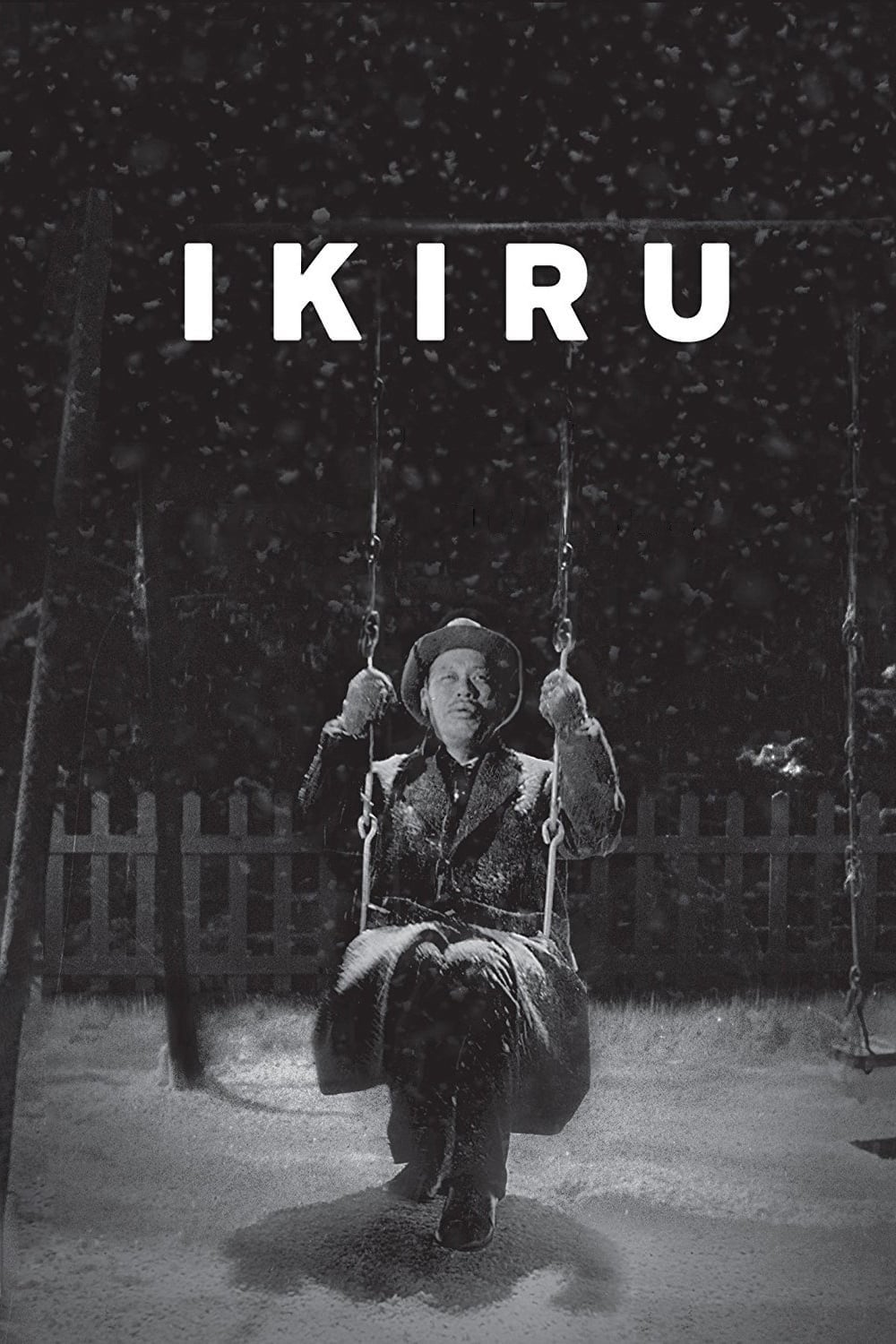
What has stayed with me most is the humility of Watanabe’s final act. Transforming a cesspool into a playground doesn’t sound epic. Yet, in the universe of Ikiru, this modest achievement carries the weight of a lifetime. Kurosawa’s true rebellion lies in elevating the ordinary act of service to the status of existential heroism. It isn’t just about leaving a mark after we’re gone. It’s about finding the courage to do one good thing, not in pursuit of recognition, but because it is necessary. When Watanabe sits on that swing in the snow, I feel the paradox of joy and grief—the beauty of a life redeemed, if only for a moment.
The Cruelty of Memory, the Fragility of Change
I’m haunted by how quickly Watanabe’s legacy begins to erode in the film’s second half. The bureaucrats who eulogize him fall swiftly back into old habits. This is a film unafraid to question whether true change is even possible in systems built to resist it. Watching them rationalize and retreat, I’m reminded that institutions can outlast intention, and that memory is a fickle ally. Yet Kurosawa doesn’t wallow in cynicism—he simply refuses the comfort of easy answers. The tragedy is not that Watanabe’s gesture is forgotten, but that it stands alone, a single candle in a vast fog.
Snowfall at the Playground: Images as Meditations
That iconic image—Watanabe on the swing, snowflakes descending through the dark—lands like a prayer. Kurosawa uses weather and setting not just as ambiance, but as silent arguments about meaning and mortality. The snow, to me, is both blanket and shroud: it deadens sound, marking distance from the noisy world, but it also absorbs color, rendering the playground both grave and sanctuary. I lose myself in the silence of that moment. The image insists that if transcendence exists, it will be found not in grand gestures, but in the quiet acceptance of our small place within an indifferent universe.
The Dissonance of Goodness
The more I revisit Ikiru, the more I see how it dismantles simplistic narratives about redemption. Watanabe’s success is partial, his peace is solitary. Kurosawa sketches goodness not as an outcome, but as a tension—a fragile, daily struggle against apathy, oblivion, and despair. This film refuses to flatter us with stories of sweeping transformation. Instead, it asks whether one person’s resolve, even in the face of certain erasure, can still matter. I find hope not in what changes, but in the persistence required to attempt change at all.
The Unbearable Universality of Regret
All through Ikiru, I am forced to reckon with my own evasions. Watanabe’s regrets are not unique—his wasted time, his lost intimacy, his silenced desires are, frankly, the common currency of adulthood. The film’s genius is how it exposes the banality of regret, and in so doing, refuses to let me treat these feelings as exceptional or noble. Kurosawa invites us to see ourselves not as tragic figures, but as people always on the edge of change, if only we can face what we fear most. Every rewatch is a confrontation with my own unfinished business.
Two Kindred Journeys in Black and White
If the bittersweet search for meaning in Ikiru has left you restless, I can’t think of better companions than these classic films:
- Wild Strawberries – Ingmar Bergman’s meditation on aging, regret, and the quiet possibility of redemption, explored through the reverie of a single day.
- Umberto D. – Vittorio De Sica’s aching portrait of dignity and despair in old age, where small gestures become acts of defiance against an indifferent world.
If you’re curious about how this film was originally perceived or how it compares to similar works of its era, these resources may be helpful.
🎬 Check out today's best-selling movies on Amazon!
View Deals on Amazon