
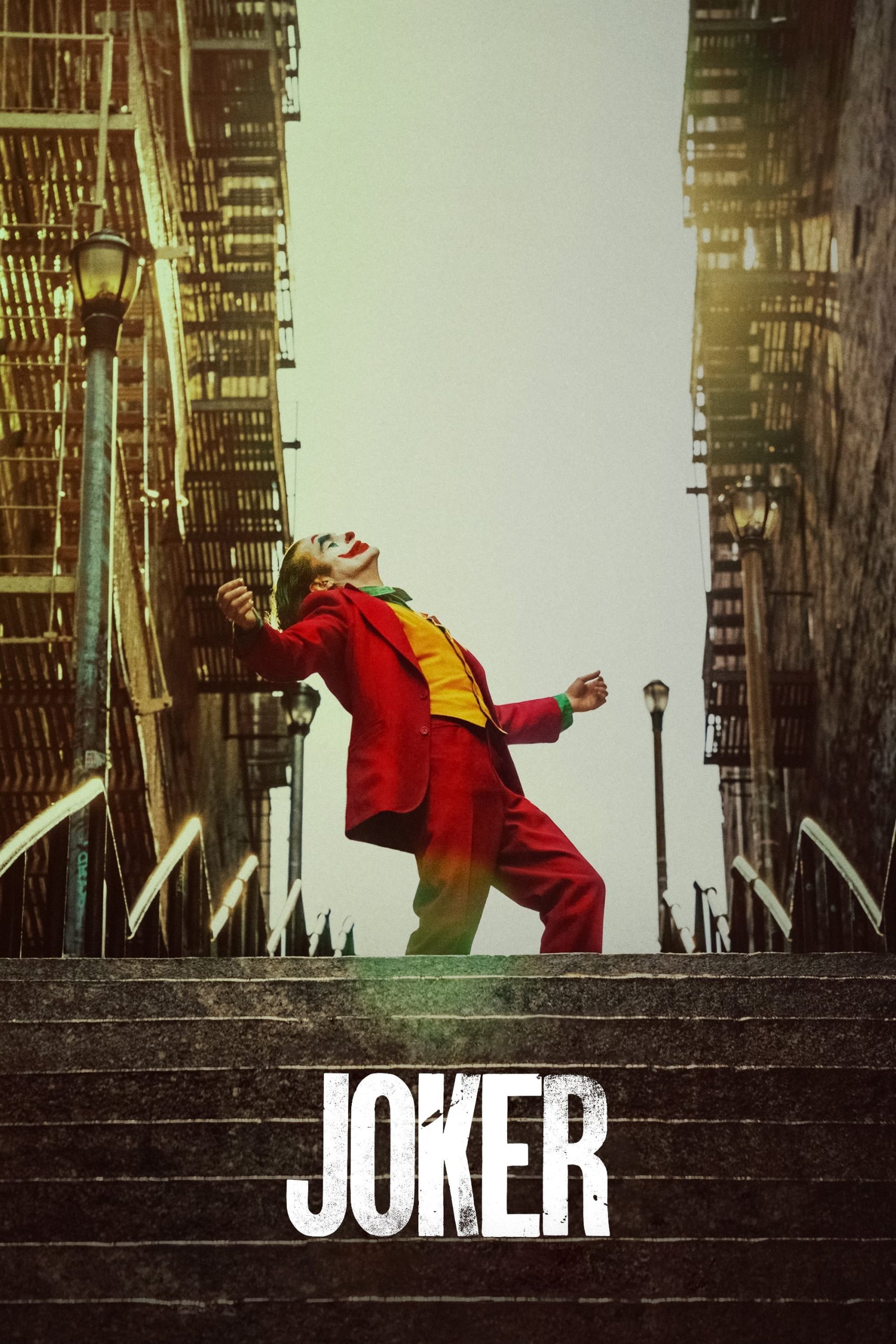
The First Time I Saw Gotham Through Arthur’s Eyes
I remember the suffocating ache in my chest as the credits rolled, my mind not racing, but crawling—weighted, as if I’d just walked through every trash-strewn alley in Arthur Fleck’s Gotham. “Joker” isn’t merely a film about villainy born of madness, but an unstable mirror held up to the audience, reflecting our ugliest social fractures and the dangerous hunger for validation that festers within. The grime, the laughter, the tears—all of it lingers like a bruise, impossible to ignore or dismiss as comic book escapism.
Smiles Painted Over Bruises: The Mask of Survival
Arthur’s painted smile tormented me throughout. It’s impossible to separate the clown makeup from the suffocating expectation that surrounds his every waking moment. In “Joker”, the mask isn’t a tool for hiding but an enforced uniform, a survival tactic in a city that demands a façade of cheerfulness from the broken. His exaggerated laughter, involuntary and painful, isn’t a supervillain’s origin quirk—it’s the body’s last defense against suffocating despair. When Arthur’s face cracks with real emotion beneath the makeup, I feel the catastrophic disconnect between the world’s demand for pleasantry and his inner agony. The film indicts anyone who’s ever said “just smile more” as a solution to suffering.
Gotham’s Rot: The City as Complicit Character
Gotham isn’t merely a backdrop; it’s a ravenous organism, its filth and squalor infecting every frame. The city’s cruelty is not incidental—it is structural, and it multiplies Arthur’s pain, not through overt acts of violence, but through a relentless erosion of dignity. The systematic indifference—from the cold bureaucracy of social services to the mocking jeers of late-night hosts—speaks for every institution that’s supposed to help but only deepens wounds. I can’t watch these scenes without confronting the uncomfortable truth: Gotham is every city that has ever turned its back on the vulnerable. Arthur’s rage isn’t just personal; it’s the inevitable byproduct of a world built to neglect.
Delusions as Safety Nets: The Seduction of Escapist Fantasy
I found myself questioning reality along with Arthur each time the film blurred the line between fact and fantasy. His imagined romance with Sophie, the applause he hears in his head, the kindness he aches for—all represent the seductive power of self-made delusions to fill the void left by societal abandonment. The film never mocks Arthur’s fantasies; it mourns their necessity. There’s a genuine tragedy in the way Arthur’s mind tries to compensate for what the world withholds. When the illusion shatters, the emptiness left behind is as chilling as any violence the film depicts. “Joker” challenges me: where do we turn when reality is unbearable and no one reaches out?
Craving Recognition: The Myth of Exceptionalism
Arthur’s desperate longing to be seen, to have his pain acknowledged, transforms into a toxic pursuit of identity. The film’s most haunting insight is how invisibility—being unseen, unheard, dismissed—can be more devastating than outright hostility. The turning point isn’t when Arthur snaps, but when he realizes that his suffering might finally matter if it’s broadcast, if it’s spectacular, if it becomes part of Gotham’s story. The film doesn’t excuse his climactic acts, but it insists that we understand the hunger that drives them. It’s a warning: a society that ignores its wounded should not be surprised when they demand to be noticed, even at tremendous cost.
Carnival of Violence: Chaos as Communication
The riotous violence that erupts in the film’s final act isn’t just spectacle. It is, heartbreakingly, the only language left for those rendered mute by poverty and neglect. I watched the crowds don clown masks and saw, not mindless mob mentality, but a desperate, ugly yearning for recognition—a city proclaiming, “We hurt too.” The movie implicates the audience in this cycle, making us complicit spectators in violence as both entertainment and warning. There are no true heroes here, only systems and individuals locked in mutual destruction. “Joker” is about the grotesque birth of identity in the shadow of cruelty, and how easily empathy can be extinguished when pain becomes spectacle.
Unreliable Narratives: Trusting What Hurts
I can’t help but replay the film’s subtle manipulations—how Arthur’s perspective warps the truth. His unreliable narration isn’t just a storytelling device; it’s a sly commentary on the way trauma distorts memory, and how the lonely can become convinced that their pain is special, even righteous. Scenes play twice, dreams masquerade as memories, and suddenly I’m forced to ask: is this the world as it is, or as Arthur needs it to be? The film never gives easy answers. It insists that meaning is slippery, and violence can be both cry for help and act of vengeance. We are left complicit, grappling with our own desire to believe stories that comfort us, even if they’re built on lies.
The Dance on the Stairs: Transcendence or Collapse?
Nobody who’s seen “Joker” forgets Arthur’s dance on the concrete steps. For me, it’s the film’s ambiguous heart: a moment that’s at once triumphant and monstrous. This is the first time Arthur owns his narrative, shedding the last vestiges of shame and societal expectation. Yet the euphoria is tainted; what feels like freedom is also surrender to chaos. The choreography is beautiful, but the context is horrifying. “Joker” refuses to moralize, instead forcing me to confront the uneasy truth that liberation, for some, comes only through destruction. It’s not the world’s cruelty alone that births monsters, but the intoxicating relief of being seen at any cost.
Why “Joker” Refuses to Let Me Look Away
Every time I revisit this film, I am struck by its refusal to comfort or resolve. “Joker” is a howl against the easy explanations and neat morality we crave from stories of good and evil. It asks why some wounds never close, why some laughter sounds like weeping, why cities can rot from indifference faster than from crime. The movie’s meaning lingers not because it endorses Arthur’s violence, but because it issues a dare: See the forgotten, or prepare for their scream to become your soundtrack. The power of “Joker” is that it makes me question my role in the making of monsters—whether by looking away, or by applauding too late.
If You Want More: Two Shadowy Journeys
For those compelled by the psychological unease and social condemnation of “Joker”, two films from classic cinema offer similar darkness and insight: “Taxi Driver” and “Network”. Each one holds up a mirror to society’s fractures, daring us to confront what festers beneath the surface of our own cities and screens.
If you’re curious about how this film was originally perceived or how it compares to similar works of its era, these resources may be helpful.
🎬 Check out today's best-selling movies on Amazon!
View Deals on Amazon